Understanding Lower Back Pain and How Yoga Can Help
Lower back pain is a common ailment, often stemming from muscle strains, poor posture, or degenerative changes in the spine. These issues can lead to inflammation, stiffness, and reduced mobility. Fortunately, gentle movement practices like yoga can offer significant relief by addressing the root causes of discomfort.
The Mechanics of Yoga for Back Pain Relief
Yoga poses, or asanas, work to alleviate back pain through several mechanisms. They gently stretch tight muscles, such as the hamstrings and hip flexors, which can pull on the pelvis and contribute to back strain. Strengthening the core muscles of the abdomen and back provides better support for the spine. Improved flexibility and range of motion in the hips and spine can also reduce stiffness and prevent future injuries. Many yoga poses also promote better posture by increasing awareness of spinal alignment.
The Mind-Body Connection in Pain Management
Beyond the physical benefits, yoga cultivates a crucial mind-body connection. Techniques like deep breathing (pranayama) and mindfulness help to reduce stress and tension, which can often exacerbate pain perception. By focusing on the present moment and the sensations within the body, individuals can learn to manage their pain more effectively and develop a healthier relationship with their physical discomfort. Research from the Mayo Clinic Mayo Clinic highlights the role of mind-body therapies in chronic pain management.
Choosing the Right Yoga Style for Your Back
Hatha Yoga: Gentle and Accessible
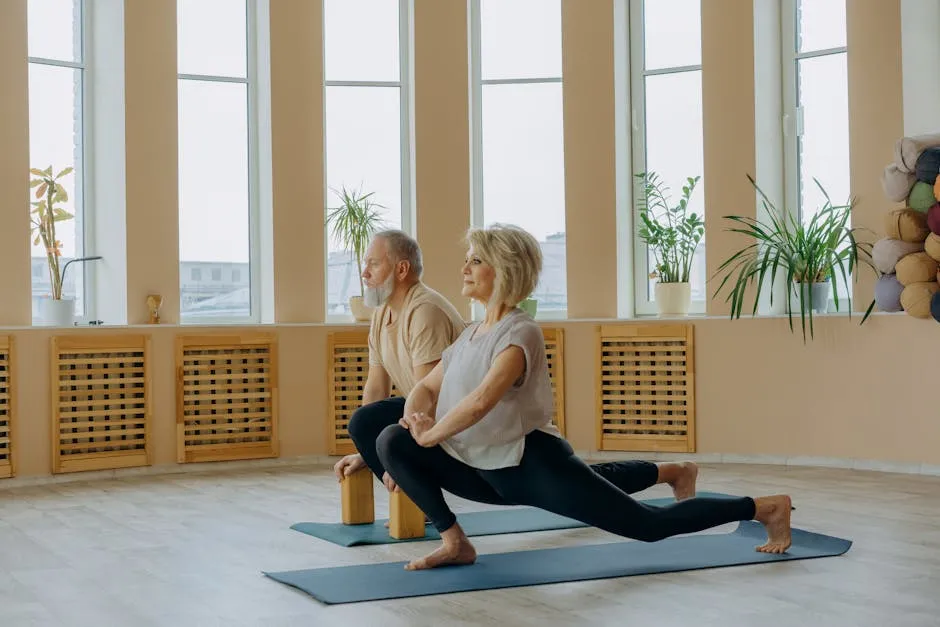
Hatha yoga is an excellent starting point for individuals experiencing lower back pain. It typically involves a slower pace and a focus on basic poses, making it accessible for most fitness levels. The emphasis is on breath control and gentle stretching, which can help to release tension in the lower back and improve flexibility over time. Many beginners find Hatha yoga to be a comfortable and effective way to begin a yoga practice for back pain relief.
Restorative Yoga: Deep Relaxation and Healing
For those seeking deep relaxation and gentle healing, restorative yoga is a superb choice. This style uses props like bolsters, blankets, and blocks to fully support the body in passive poses held for extended periods. The goal is not to stretch, but to allow the body to rest and release tension. This can be particularly beneficial for chronic lower back pain, promoting a sense of calm and aiding in muscle recovery.
Iyengar Yoga: Precision and Alignment
Iyengar yoga is known for its meticulous attention to detail and precise alignment. Teachers often use a wide array of props to help students achieve the correct form in each pose. This focus on alignment can be highly beneficial for lower back pain, as it helps to correct postural imbalances that may be contributing to discomfort. While it can be more physically demanding than Hatha or Restorative, the precise guidance ensures safety and effectiveness.
When to Avoid Certain Styles
While many yoga styles can be beneficial, it’s important to be mindful of your body’s signals. Styles like Ashtanga or Vinyasa, which are more vigorous and flow-based, might be too intense for an acute back injury or severe pain. Always listen to your body and consult with your doctor or a qualified yoga instructor before starting any new yoga practice, especially if you have a pre-existing back condition. Healthline recommends modifying poses as needed Healthline.
Beginner-Friendly Yoga Poses for Lower Back Pain Relief
Cat-Cow Pose (Marjaryasana-Bitilasana)
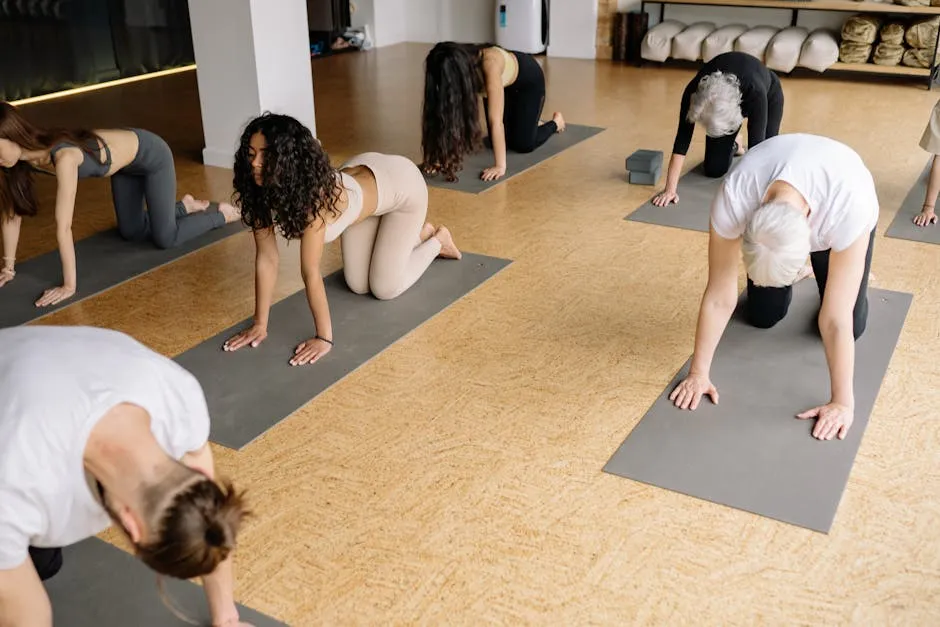
This gentle flow is excellent for warming up the spine and improving flexibility. Start on your hands and knees, with your wrists directly under your shoulders and your knees under your hips. As you inhale, drop your belly towards the mat, arch your back, and lift your gaze (Cow pose). As you exhale, round your spine towards the ceiling, tuck your chin to your chest, and draw your navel in (Cat pose). Move slowly and mindfully between these two poses, coordinating your breath with the movement. This pose helps to mobilize the entire spine and can relieve tension.
Child’s Pose (Balasana)
A deeply restorative pose, Child’s Pose offers a gentle stretch for the back and hips. Begin on your hands and knees. Bring your big toes to touch and widen your knees apart (or keep them hip-width distance for less intensity). Sink your hips back towards your heels and rest your torso between your thighs. Extend your arms forward on the mat, or rest them alongside your body with palms facing up. Allow your forehead to rest on the mat or on a cushion for support. This pose provides a passive stretch for the lower back and promotes relaxation.
Bridge Pose (Setu Bandhasana)
Bridge Pose strengthens the glutes and hamstrings, which can help support the lower back. Lie on your back with your knees bent and feet flat on the floor, hip-width apart, and close to your hips. Your arms should be alongside your body, palms down. As you inhale, press through your feet and lift your hips off the floor, creating a straight line from your knees to your shoulders. Keep your neck neutral. Hold for a few breaths, then exhale to slowly lower your hips back down. For a deeper stretch, you can clasp your hands underneath your body and roll onto your shoulders.
Knees-to-Chest Pose (Apanasana)
This pose is a simple yet effective way to release tension in the lower back. Lie on your back with your legs extended. As you exhale, draw one or both knees towards your chest. Gently hug your knees with your hands or forearms. Keep your head and shoulders relaxed on the mat. You can rock gently from side to side to massage the lower back. Hold for 30 seconds to a minute, breathing deeply.
Supine Spinal Twist (Supta Matsyendrasana)
This twist gently mobilizes the spine and can help alleviate stiffness. Lie on your back with your knees bent and feet flat on the floor. Extend your arms out to the sides in a T-shape. As you exhale, let both knees fall to one side, keeping your shoulders pressed into the mat. Turn your gaze in the opposite direction of your knees if comfortable for your neck. Hold for several breaths, then return to center and repeat on the other side. A cushion placed between your knees can provide extra support.
Thread the Needle Pose (Urdhva Mukha Pasasana Variation)
This pose targets the upper back and shoulders while offering a gentle twist. Start on your hands and knees. Inhale and reach your right arm up towards the ceiling, opening your chest. As you exhale, “thread” your right arm underneath your chest, bringing your right shoulder and right ear to the mat. Your left hand can stay in place, walk forward, or wrap around your lower back. Hold for a few breaths, feeling the gentle twist in your upper spine, then repeat on the other side. This pose is beneficial for upper back mobility, which can indirectly impact lower back comfort.
The Role of Breathwork and Mindfulness in Back Pain Management
While physical poses are crucial for alleviating lower back pain, the power of breathwork and mindfulness within yoga should not be underestimated. These elements work synergistically to reduce stress, calm the nervous system, and enhance body awareness, all of which contribute significantly to pain management.
Pranayama Techniques for Spinal Health
Specific breathing exercises, known as pranayama, can directly benefit spinal health. Techniques like diaphragmatic breathing encourage deeper, more relaxed breaths, which can help release tension in the back muscles. Similarly, alternate nostril breathing (Nadi Shodhana) is believed to balance the body’s energy and promote relaxation, indirectly easing discomfort associated with lower back pain. WebMD Spine-health highlights the stress-reducing benefits of consistent pranayama practice.
Integrating Mindfulness into Your Practice
Mindfulness in yoga involves paying non-judgmental attention to the present moment, including sensations in the body and the breath. By cultivating this awareness, individuals can better understand their pain triggers and learn to respond to discomfort with greater ease rather than tension. This mindful approach transforms yoga from a mere exercise into a holistic practice that supports both physical and mental well-being, making it a powerful tool for managing chronic back pain.
Building a Safe and Effective Yoga Routine for Lower Back Pain
How Often Should You Practice?
Consistency is key when managing lower back pain with yoga. Aim for at least three to four sessions per week. Shorter, more frequent practices are often more beneficial than one long, infrequent session. Even 15-20 minutes daily can make a significant difference in reducing discomfort and improving flexibility.
Common Mistakes to Avoid
Several common pitfalls can hinder progress or even exacerbate back pain. Rushing into poses without proper warm-up is a primary concern. Another mistake is pushing too hard, ignoring pain signals, or comparing your progress to others. Finally, neglecting proper alignment can lead to strain rather than relief. Always focus on quality over quantity.
Listening to Your Body: Modifications and Contraindications
Your body is your best guide. If a pose causes sharp or shooting pain, stop immediately. Modifications are essential. For example, if a hamstring stretch is too intense, bend your knees slightly. Certain conditions, such as acute disc herniation or spinal stenosis, may require specific precautions or even contraindications for certain poses. Consulting with a healthcare provider or a qualified yoga instructor experienced in therapeutic yoga is highly recommended before starting a new routine, especially if you have a diagnosed back condition WebMD.
Sample Beginner Routine for Lower Back Pain
A gentle, foundational routine can help build strength and flexibility safely. Consider incorporating the following poses:
- Cat-Cow Pose: For gentle spinal mobilization.
- Child’s Pose: A resting pose that gently stretches the back.
- Bridge Pose: To strengthen the glutes and lower back.
- Knees-to-Chest Pose: To release tension in the lower back.
- Supine Spinal Twist: A gentle twist to improve spinal mobility.
Hold each pose for 5-10 breaths, moving mindfully between them. Remember to breathe deeply throughout your practice.
Frequently Asked Questions About Yoga for Lower Back Pain
Frequently Asked Questions About Yoga for Lower Back Pain
Is yoga safe for lower back pain? Generally, yes. Gentle yoga, when practiced correctly and with modifications, can be very beneficial. However, it’s crucial to listen to your body and avoid poses that cause pain. Consulting a healthcare professional or a qualified yoga instructor experienced in therapeutic yoga is highly recommended before starting, especially if your pain is severe or chronic Medical News Today.
How often should I practice yoga for back pain? Consistency is key. Aim for at least 2-3 times a week, or even daily with shorter sessions. Even 10-15 minutes of gentle movement can make a difference.
What if a pose hurts my back? Stop immediately. Never push through pain. Modify the pose, reduce the range of motion, or skip it altogether. A good instructor will offer variations.