Introduction: Why These 10 Yoga Exercises Matter
Yoga has been practiced for thousands of years, but modern science is finally catching up to what practitioners have long known. The NIH National Center for Complementary and Integrative Health NIH NCCIH confirms yoga’s measurable benefits for pain management, stress reduction, and overall wellbeing. Yet most yoga guides still hand you a list of poses with no context for why they work or which ones match your personal goals.
This guide is different. Whether you’re building strength, improving flexibility, managing back discomfort, or losing weight, these 10 best yoga exercises are organized around real outcomes — with modifications so every level can benefit. A quality yoga mat is essential for safe, comfortable practice, but the real value here is strategy: knowing which poses to prioritize and how to adapt them to your body.
The Science Behind Yoga Practice
Yoga works through a combination of controlled movement, breath regulation, and mindful awareness. Together, these mechanisms reduce cortisol, improve joint mobility, build functional strength, and enhance neuromuscular coordination. For those dealing with chronic discomfort, our guide on yoga for lower back pain explores how targeted poses create lasting relief at a structural level.
How to Use This Guide
- Identify your primary goal — strength, flexibility, stress relief, or weight loss
- Follow the modifications suited to your current experience level
- Build progressively — consistency matters far more than intensity
The 10 Best Yoga Exercises: Complete Breakdown
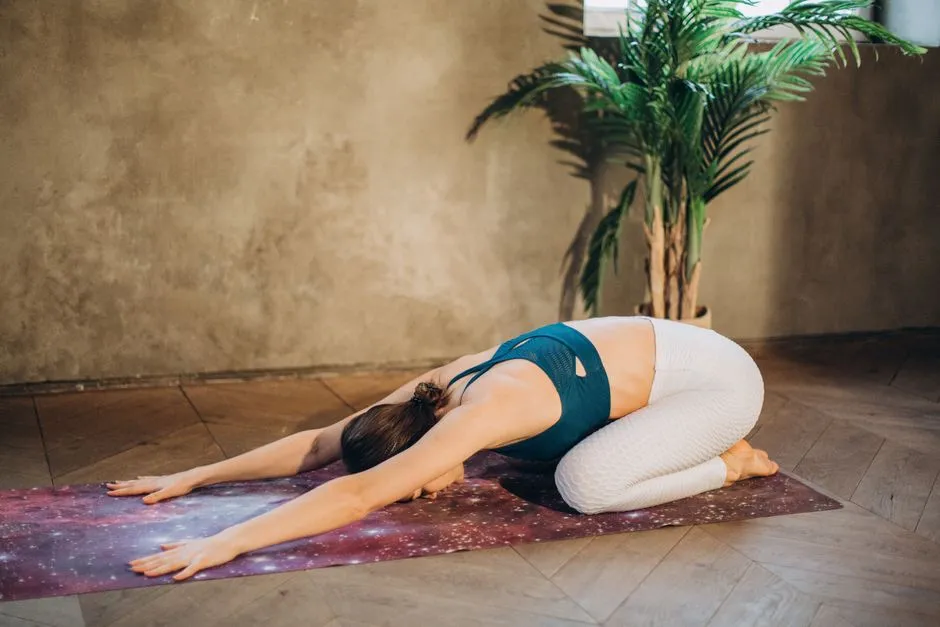
1. Child’s Pose (Balasana) – Stress Relief & Grounding
How to Perform: Start on your hands and knees. Bring your big toes to touch and widen your knees about hip-width apart. Sink your hips back towards your heels and walk your hands forward, resting your forehead on the mat. For a gentler version, place a pillow or folded blanket under your forehead or between your hips and heels. If your knees are sensitive, place a rolled blanket behind them. Yoga blocks help beginners access full pose benefits safely by providing a stable surface for the forehead or hands, reducing strain.
Benefits: Gently stretches the hips, thighs, and ankles while relieving stress and fatigue. It calms the brain and helps relieve mild back and neck pain.
Common Mistakes: Lifting hips too high off heels, or forcing the forehead to the mat if it causes neck tension. Ensure your hips are sinking towards your heels.
Frequency/Duration: Hold for 30 seconds to several minutes. Can be practiced anytime you need a moment of rest.
Best For: Everyone, especially those feeling stressed, overwhelmed, or needing a moment of quiet introspection. Excellent for beginners.
2. Cat-Cow Pose (Marjariasana-Bitilasana) – Spinal Mobility & Digestion
How to Perform: Begin on your hands and knees, with wrists directly under shoulders and knees under hips. Inhale as you drop your belly, arch your back, and lift your gaze (Cow Pose). Exhale as you round your spine, tuck your chin to your chest, and draw your navel in (Cat Pose). Flow between these two poses with your breath.
Benefits: Warms up and mobilizes the spine, improves posture, and stimulates abdominal organs, aiding digestion. It’s also great for relieving tension in the back and neck.
Common Mistakes: Moving too quickly without coordinating with breath, or hyperextending the neck in Cow Pose. Keep the movement fluid and controlled.
Frequency/Duration: Repeat 5-10 rounds. Excellent as part of a warm-up or cool-down.
Best For: Sedentary workers, those with stiff backs, and individuals looking to improve spinal health. Also beneficial for managing symptoms related to PCOS.
3. Downward-Facing Dog (Adho Mukha Svanasana) – Full-Body Strength & Inversion
How to Perform: From hands and knees, tuck your toes, lift your hips up and back, forming an inverted V-shape. Spread your fingers wide, press firmly into your palms, and let your head hang loosely. Bend your knees generously if your hamstrings are tight. For beginners, modifying with bent knees is key to finding length in the spine. Yoga blocks under the hands can help bring the floor closer, easing wrist pressure.
Benefits: Strengthens arms, shoulders, legs, and core. Stretches hamstrings, calves, and shoulders. It’s a mild inversion that can energize the body and mind.
Common Mistakes: Rounding the back, letting the head drop too heavily, or keeping heels glued to the floor if it strains the hamstrings. Focus on lifting the hips and lengthening the spine.
Frequency/Duration: Hold for 30 seconds to 1 minute, repeating several times. A foundational pose in many sequences.
Best For: Athletes, individuals seeking a full-body stretch and strengthening pose, and those looking for an energizing inversion.
4. Warrior I (Virabhadrasana I) – Lower Body Strength & Balance
How to Perform: Step one foot forward from Downward-Facing Dog or a standing position, bending the front knee over the ankle. Turn the back foot out slightly, grounding the heel. Engage your core, lift your torso upright, and sweep your arms overhead, palms facing each other. Keep your hips square to the front. Beginners can widen their stance for more stability or keep hands on hips.
Benefits: Builds strength and stamina in the legs, ankles, and shoulders. Stretches the chest and lungs. Improves balance and concentration.
Common Mistakes: Letting the front knee collapse inward, not grounding the back foot, or leaning the torso forward. Ensure the front knee tracks over the ankle and hips remain square.
Frequency/Duration: Hold for 3-5 breaths per side. Repeat on the other leg.
Best For: Those looking to build leg strength, improve balance, and cultivate a sense of power and determination.
5. Mountain Pose (Tadasana) – Foundation & Postural Awareness
How to Perform: Stand with feet hip-width apart or big toes touching. Ground down through all four corners of your feet. Engage your leg muscles, lengthen your spine, and let your arms rest by your sides, palms facing forward. Feel tall and stable, like a mountain.
Benefits: Establishes proper posture, improves balance, and instills a sense of grounding and stability. It’s the foundation for many standing poses.
Common Mistakes: Slouching, locking knees, or clenching the jaw. Focus on subtle engagement and a tall, lifted spine.
Frequency/Duration: Hold for 30 seconds to 1 minute, or practice throughout the day to check in with posture.
Best For: Absolutely everyone. Essential for developing body awareness and good posture, particularly beneficial for those with sedentary jobs.
6. Corpse Pose (Savasana) – Nervous System Reset
How to Perform: Lie flat on your back with legs extended and arms resting by your sides, palms facing up. Allow your feet to fall open naturally. Close your eyes and consciously relax every part of your body, from your toes to the crown of your head. Use blankets for warmth or under the knees for lower back comfort.
Benefits: Promotes deep relaxation, reduces stress and anxiety, lowers heart rate and blood pressure, and allows the body to integrate the benefits of the practice. It’s a crucial nervous system reset.
Common Mistakes: Tensing any part of the body, thinking too much, or falling asleep too quickly without conscious relaxation. Focus on releasing tension with each exhale.
Frequency/Duration: Hold for 5-10 minutes (or longer). Always end your yoga practice with Savasana.
Best For: Everyone. It is arguably the most important pose for stress reduction and overall well-being.
7. Triangle Pose (Trikonasana) – Side Body Stretch & Stability
How to Perform: From a standing position with feet wide apart, turn one foot out 90 degrees and the other slightly in. Extend arms parallel to the floor. Inhale, then exhale as you hinge at the hip, reaching your front arm
Choose Your Best Exercises Based on Your Goals
The “10 best yoga exercises” isn’t a one-size-fits-all list. Your ideal practice depends on what you aim to achieve. Here’s how to tailor your selection:
Best for Back Pain & Posture
If you’re dealing with discomfort or aiming for better alignment, poses that gently strengthen and stretch the spine are key. Gentle twists and backbends can be particularly effective. For a deeper dive into targeted relief, explore our comprehensive guide on Yoga for Lower Back Pain: Poses, Benefits, and Safety Tips.
Best for Flexibility & Stiffness
To improve your range of motion and combat stiffness, focus on poses that systematically lengthen muscles and open joints. Hamstring stretches, hip openers, and spinal twists are excellent starting points.
Best for Stress Relief & Sleep
For calming the mind and preparing for restful sleep, restorative poses and gentle, grounding sequences are invaluable. Poses that encourage deep breathing and relaxation can significantly reduce stress levels. Harvard Health research on yoga’s cardiovascular and mental health benefits highlights its effectiveness in this area Mayo Clinic.
Best for Beginners & Sedentary Lifestyles
If you’re new to yoga or spend most of your day sitting, start with foundational poses that build body awareness and gentle strength. Simple seated stretches, modified standing poses, and easy floor sequences are ideal for building confidence and a consistent practice.
Build Your Own 10-20 Minute Daily Routine
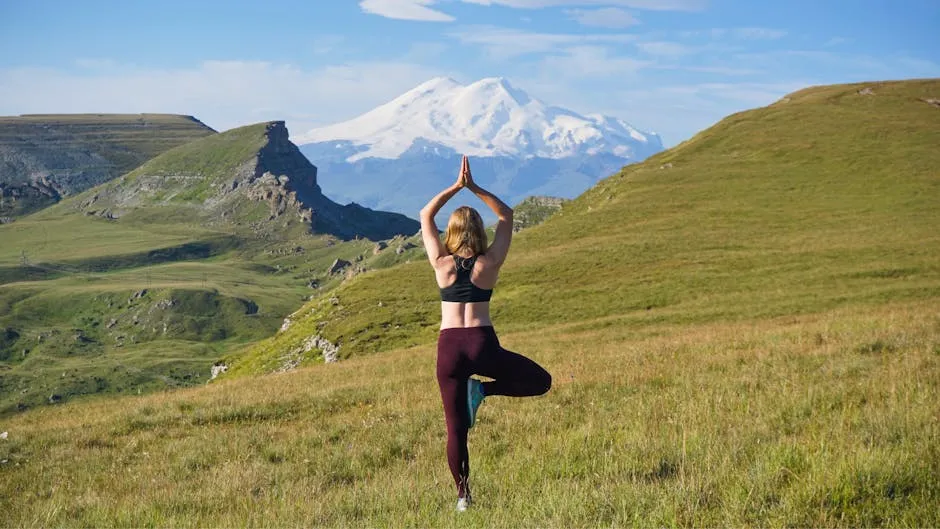
Build Your Own 10-20 Minute Daily Routine
The beauty of these 10 best yoga exercises lies in their versatility. You can easily craft short, effective routines to fit your schedule and goals. Consistency is key to reaping the benefits of yoga, and a personalized daily practice makes it achievable. Below are a few sample sequences to get you started, but feel free to mix and match poses based on how you feel each day.
Beginner Sequence (10 minutes)
- Start with Mountain Pose (Tadasana) to ground yourself.
- Flow into Downward-Facing Dog (Adho Mukha Svanasana) for a gentle inversion. PubMed studies on specific poses (e.g., downward dog for inversion benefits) highlight its value PubMed.
- Move to Cat-Cow Pose (Marjaryasana-Bitilasana) to warm up the spine.
- Transition to Child’s Pose (Balasana) for rest and calming.
- Finish with Corpse Pose (Savasana) for deep relaxation.
Full-Body Sequence (15 minutes)
- Begin with Sun Salutation A (Surya Namaskar A), incorporating poses like Warrior II (Virabhadrasana II) and Triangle Pose (Trikonasana).
- Include Plank Pose (Phalakasana) for core strength.
- Add Bridge Pose (Setu Bandhasana) to strengthen the back and glutes.
- Conclude with Corpse Pose (Savasana).
Stress Relief Sequence (12 minutes)
- Start with Child’s Pose (Balasana), known for its parasympathetic activation Harvard Health.
- Follow with gentle seated poses like Seated Forward Bend (Paschimottanasana).
- Incorporate gentle twists such as Reclining Spinal Twist (Supta Matsyendrasana).
- End with an extended Corpse Pose (Savasana), perhaps with calming music.
Yoga Philosophy & Mindfulness Integration
Breath Work (Pranayama) Essentials
Beyond the physical postures, yoga’s true power lies in its integration of breathwork, or Pranayama. Consciously controlling your breath enhances focus, calms the nervous system, and prepares the body and mind for deeper practice. Simple techniques like diaphragmatic breathing, focusing on deep inhales and slow exhales, can significantly reduce stress and improve oxygen flow. Consistent pranayama practice is key to unlocking the mental and emotional benefits of yoga, making it a cornerstone for managing conditions like chronic pain, as noted in Cleveland Clinic resources on yoga for chronic conditions Mayo Clinic Yoga.
Intention-Setting for Deeper Practice
Before beginning your yoga session, take a moment to set an intention. This practice, known as Sankalpa, transforms your physical movements into a moving meditation. Whether your goal is to build strength, find inner peace, or simply dedicate time to self-care, an intention provides purpose and direction. This mindful approach amplifies the benefits of the 10 best yoga exercises, fostering consistency and a more profound connection to your practice. For those seeking to balance hormones, setting an intention can be particularly powerful when exploring poses that support such goals.
Common Mistakes & How to Avoid Them
Pushing Too Hard Too Fast
One of the most common beginner mistakes is treating yoga like a competition. Forcing your body into deep stretches before it’s ready strains muscles, ligaments, and joints — sometimes causing injuries that sideline your practice for weeks. Progress in yoga is measured in consistency, not intensity. If a pose causes sharp or shooting pain, back off immediately and work with a gentler modification instead.
Neglecting Breath & Alignment
Holding your breath or rushing through poses disconnects you from the practice and increases injury risk. Every movement should be guided by your breath — inhaling to lengthen, exhaling to deepen. Poor alignment compounds this problem; a collapsed lower back in Forward Fold or flared elbows in Chaturanga places unnecessary stress on vulnerable joints. If alignment cues feel confusing, our guide on yoga for lower back pain offers clear, safety-focused breakdowns.
Skipping Warm-Up & Cool-Down
Jumping straight into demanding poses with cold muscles significantly raises your injury risk. Dedicate at least five minutes to gentle movement — Cat-Cow, neck rolls, and hip circles — before deeper work. Equally important, never skip Savasana or a brief cool-down. This allows your nervous system to absorb the session’s benefits and transition safely back to daily activity.
Frequency, Consistency & Realistic Expectations
How Often Should You Practice?
The ideal frequency for practicing yoga varies based on your individual goals and current fitness level. For general well-being and flexibility, aiming for 3-5 times per week is often recommended. If you’re targeting specific outcomes, such as weight loss or pain relief, more frequent practice might be beneficial. For instance, those focusing on might consider daily sessions, even if short. Consistency is key; even 15-20 minutes a few times a week can yield significant results over time.
Tracking Progress Over Time
It’s important to set realistic expectations. You won’t see drastic changes overnight. Yoga is a journey, and progress is often subtle. Notice improvements in your flexibility, strength, balance, and even your mood. Keeping a journal to track how you feel before and after practice, noting which poses feel easier, or how your sleep quality improves can be incredibly motivating. Celebrate small victories and trust the process. Many studies highlight the cumulative benefits of regular practice Cleveland Clinic.
Beyond the 10: Next Steps & Advanced Progression
Complementary Practices
The journey of yoga extends far beyond physical postures. To deepen your practice and experience its holistic benefits, consider incorporating complementary elements. Meditation, even for a few minutes daily, can cultivate mental clarity and emotional balance. Pranayama, or yogic breathing techniques, offers powerful tools for managing stress, increasing energy, and enhancing focus. Exploring these practices can profoundly support your physical progress and overall well-being.
When to Explore Advanced Poses
Once you feel comfortable and established with the 10 best yoga exercises, you may naturally crave more challenge. Listen to your body; it will guide you when you’re ready to progress. This might involve holding poses longer, exploring deeper variations, or introducing more complex asanas. For those specifically seeking physical transformations, you might find sequences designed for targeted goals, such as those aimed at. Remember, advanced practice is not about ego but about mindful exploration and continued growth.
FAQ: Your Top Yoga Questions Answered
How often should beginners practice yoga?
Start with three sessions per week, allowing rest days for recovery. Even 15–20 minutes of consistent practice outperforms occasional hour-long sessions. As your body adapts, gradually increase frequency toward daily practice.
Can yoga alone help with weight loss?
Yoga supports weight loss by reducing cortisol, improving mindfulness around eating, and building lean muscle — particularly in dynamic styles like Vinyasa or Power Yoga. For a deeper look at targeted approaches, see our guide on yoga for belly fat. Combining yoga with balanced nutrition produces the strongest results.
Is yoga safe if I have lower back pain?
Most yoga poses are not only safe for lower back pain but actively therapeutic when performed with proper alignment. Always inform your instructor of any injuries and prioritize gentle modifications. Avoid deep forward folds until your core strength improves.
Do I need equipment to start?
A non-slip mat is the one essential investment. Everything else — blocks, straps, bolsters — is helpful but optional. Many beginners use folded blankets and household items effectively.
About the Author

Pratham Bavkar — Wellness Researcher · Founder, Yoga Therapy Guide
Pratham Bavkar is the founder of Yoga Therapy Guide and a wellness researcher focused on yoga therapy, mobility, and posture health. He creates evidence-based, beginner-friendly guides on yoga poses, stretching routines, and natural wellness practices to help readers improve daily health naturally.