Introduction to Home Yoga for Beginners
You don’t need a studio membership, a perfect body, or years of experience to start yoga. You just need a little floor space and the willingness to begin. If you’ve been curious about yoga but felt intimidated by crowded classes or unsure where to start, practicing at home might be exactly the right entry point for you.
Why Home Yoga Is Perfect for Beginners
Home practice removes every barrier that keeps beginners from showing up. There’s no commute, no judgment, no keeping pace with an advanced class. You move at your own speed, pause when you need to, and build confidence without an audience. That psychological safety is genuinely powerful — many people find they absorb poses and breathwork far more deeply when they’re not self-conscious. If you’re exploring yoga for a specific goal, our guide on yoga for lower back pain shows how targeted home practice can deliver real, measurable results.
Is At-Home Yoga Good Enough? Addressing the Doubt
Many beginners worry that self-guided practice is somehow “less than” a formal class. The research says otherwise. The NIH NCCIH on yoga’s effectiveness for stress, flexibility, and pain management NIH NCCIH confirms that yoga produces meaningful physical and mental benefits regardless of the setting. What matters most is consistency and intention — both of which you control completely at home.
Benefits of Practicing Yoga at Home
Physical Benefits Beyond the Mat
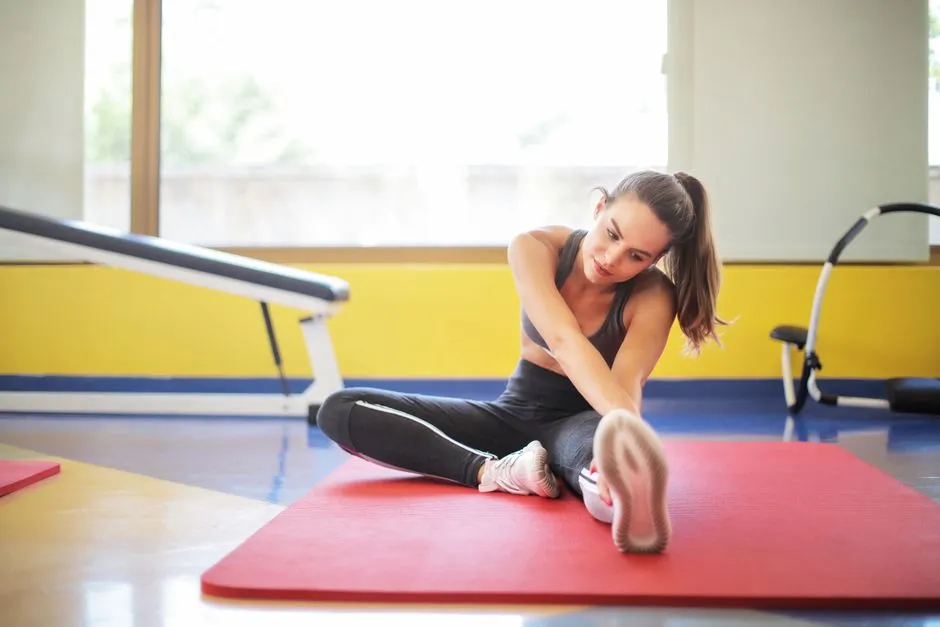
Practicing yoga at home offers a wealth of physical advantages. Regular sessions can significantly improve your flexibility and build muscle strength. These benefits extend beyond your practice space, making everyday movements easier and reducing the risk of injury. For individuals seeking targeted relief, yoga can be particularly effective for conditions like lower back pain yoga for lower back pain. Research from the Mayo Clinic on yoga benefits and safe home practice Mayo Clinic highlights its role in enhancing balance and posture.
Mental and Emotional Benefits in Your Own Space
The mental and emotional rewards of yoga are profound. One of the most celebrated benefits is stress reduction. By focusing on breath and movement, you can calm your nervous system and alleviate anxiety. This practice cultivates mindfulness, helping you stay present and centered. The National Institutes of Health also notes yoga’s positive impact on mental well-being PubMed.
Unique Advantages of Home Practice
Practicing yoga at home provides a unique and invaluable environment for beginners. You can move at your own pace without feeling self-conscious or rushed. This familiar, judgment-free setting allows for deeper exploration of poses and greater self-awareness. It’s an accessible way to integrate a consistent yoga routine into your life, fostering a sense of personal growth and well-being.
How to Set Up Your Home Yoga Space
Choosing the Right Location
You don’t need a dedicated studio room — a cleared corner of your bedroom, living room, or even a quiet hallway works perfectly. Aim for a flat surface with enough space to extend your arms and legs fully in all directions. Hardwood or tiled floors provide stable footing; thick carpet can make balancing poses tricky, so consider a firm mat on top. Keep the area free of clutter to minimize distractions and reduce the risk of tripping during transitions.
Optimizing Light, Temperature, and Noise
Natural light supports focus and mood — position yourself near a window when possible, but avoid harsh direct glare during floor work. A room temperature between 68–72°F suits most styles; cooler is fine for gentle or restorative practice, while a slightly warmer space helps muscles loosen for deeper stretches. For noise, close the door, use a white noise app, or simply practice during quieter times of day. Soft background music or nature sounds can also help signal to your brain that it’s practice time.
Budget-Friendly Space Setup Tips
Cost shouldn’t be a barrier. A folded blanket substitutes for a yoga block, and a rolled towel works as a strap. For seated meditation or longer restorative sessions, stack two firm bed pillows under your hips to reduce lower-back strain — or, when you’re ready to invest in comfort, a dedicated yoga bolster or meditation cushion provides consistent, ergonomic support that pillows can’t quite replicate. Once your space feels right, explore our guide on 10 best yoga exercises for every goal to choose poses that match your fitness level and intentions.
Essential Yoga Gear for Beginners (and What You Actually Need)
Essential Yoga Gear for Beginners (and What You Actually Need)
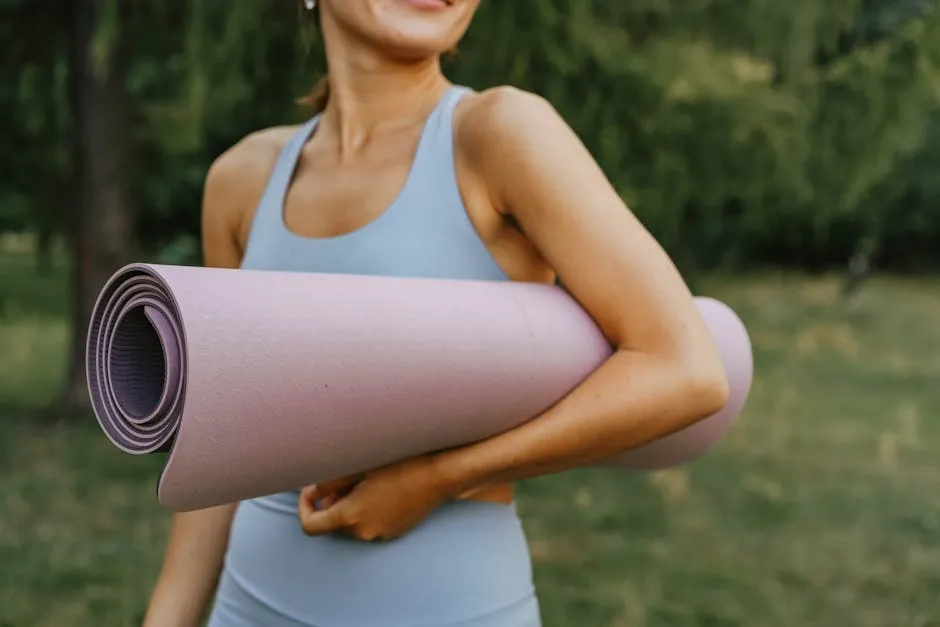
Starting yoga at home doesn’t require a significant investment in gear. While specialized equipment can enhance your practice, many common household items serve as excellent substitutes, especially when you’re just beginning. The Cleveland Clinic highlights the importance of proper alignment and support to prevent injury Harvard Health, and that’s where a few key items can help.
Must-Have vs. Nice-to-Have Equipment
The absolute essential is a comfortable, non-slip surface to practice on. A standard yoga mat is ideal, but not strictly necessary at first. Beyond that, most other items fall into the “nice-to-have” category, becoming more beneficial as your practice deepens.
DIY Alternatives Using Household Items
Don’t have a yoga mat? A firm rug, a carpeted floor, or even a large towel can work. For props that offer support or elevation, consider using:
- Pillows or Firm Cushions: Substitute for bolsters to support the chest or head in seated poses.
- Rolled-up Towels or Blankets: Can provide cushioning under knees or hips, or act as makeshift blocks.
- A Sturdy Chair: Essential for modifications, especially if you’re exploring seated poses or need extra stability. This is particularly helpful for those looking into chair yoga for seniors.
Investing Wisely as You Progress
After a few weeks of consistent practice, you might find that certain props help you deepen poses and improve alignment. A quality yoga mat will provide better grip and cushioning. If you find yourself needing more support or wanting to explore more advanced poses, a Yoga Blocks and Straps Set can be a worthwhile investment. Blocks help bring the floor closer to you, while straps assist in achieving a fuller range of motion, ultimately aiding in injury prevention as recommended by experts.
Beginner-Friendly Yoga Poses with Detailed Instructions
Foundation Poses: Mountain, Child’s Pose, Downward-Facing Dog
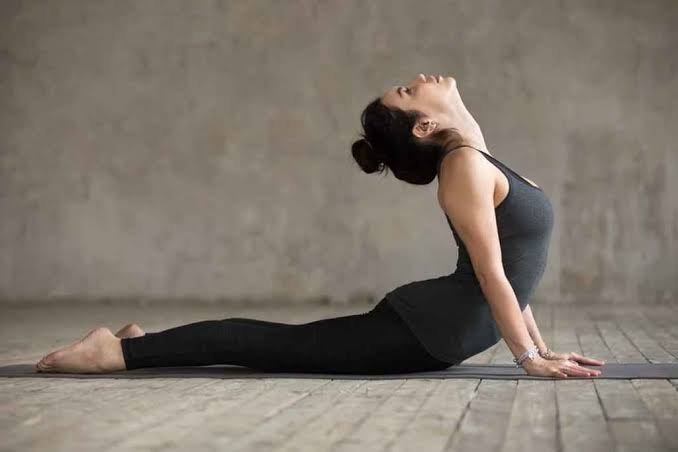
Begin by mastering foundational poses. For Mountain Pose (Tadasana), stand tall with feet hip-width apart, grounding through your feet. Engage your core and lengthen your spine, arms by your sides. This simple pose builds awareness and posture. Child’s Pose (Balasana) is a resting pose. Kneel on the floor, big toes touching, knees hip-width apart. Fold forward, resting your torso between your thighs and your forehead on the mat. Arms can extend forward or rest alongside your body. For Downward-Facing Dog (Adho Mukha Svanasana), start on your hands and knees, then lift your hips up and back, forming an inverted V-shape. Press firmly through your hands, lengthen your spine, and let your head hang. It’s okay if your knees are bent and heels don’t touch the floor initially.
Standing Poses for Strength and Balance
Once comfortable with the basics, explore standing poses. Warrior II (Virabhadrasana II) strengthens legs and opens hips. From Mountain Pose, step one foot back, turning the back foot out slightly. Bend the front knee over the ankle, keeping the torso centered. Extend arms parallel to the floor, gazing over the front fingertips. This pose builds confidence and stamina. For balance, Tree Pose (Vrksasana) is excellent. Shift weight to one foot, placing the sole of the other foot on your inner ankle, calf, or thigh (avoiding the knee joint). Bring hands to prayer at your chest or extend them overhead.
Common Mistakes to Avoid
Be mindful of common pitfalls. In Downward Dog, avoid rounding the upper back too much; focus on lengthening the spine. In Warrior II, ensure the front knee doesn’t collapse inward. For balance poses like Tree Pose, resist the urge to lock the standing knee. Focusing on breath and proper alignment is key to preventing injury and deepening your practice, which is crucial for consistent results, as noted in PubMed research on consistency and habit formation in fitness practices Mayo Clinic Yoga.
Modifications for Different Flexibility Levels
Yoga is adaptable. If your hamstrings are tight in Downward Dog, keep a generous bend in your knees. For Warrior II, a shorter stance can be more accessible. If standing poses feel unstable, practice near a wall for support. For those needing more support or dealing with mobility issues, exploring options like those in our guide on chair yoga for seniors can be highly beneficial. Listen to your body and modify as needed; the goal is mindful movement, not perfection.
Getting Started with Your First Home Yoga Session
The Importance of Breath Work (Pranayama)
Before diving into poses, focus on your breath. This is Pranayama, the vital energy control in yoga. For beginners, a simple technique is Diaphragmatic Breathing. Lie down, place one hand on your chest and the other on your belly. Inhale deeply through your nose, feeling your belly rise more than your chest. Exhale slowly through your nose, letting your belly fall. Practice this for 2-3 minutes to center yourself.
A Simple 10-Minute Beginner Sequence
Start with Child’s Pose for grounding. Move to Cat-Cow to warm the spine. Then, try a gentle Downward-Facing Dog, bending your knees as needed. Transition to your back for Supine Spinal Twist, holding each side. Finish with Savasana (Corpse Pose) for 2-3 minutes, allowing your body to absorb the practice. If any pose causes discomfort, skip it or modify it – your body is your best guide.
Setting Intention and Mindfulness
As you begin, set a simple intention. It could be “to be present,” “to be kind to myself,” or “to release tension.” Throughout the practice, gently bring your awareness back to your breath and body sensations whenever your mind wanders. This isn’t about clearing your mind, but about observing it without judgment, making mindfulness the core of your session.
Yoga for Men: Starting Your Practice with Confidence
Many men, especially those around 33, find yoga incredibly beneficial for flexibility, strength, and stress relief. Don’t worry about “not being flexible enough.” Yoga is a journey, not a competition. Focus on proper form and breath. Consider starting with shorter, accessible sequences like this one, or exploring modifications that suit your body. Consistency is key to building confidence and reaping the rewards.
Building a Consistent Home Yoga Routine
Overcoming Common Beginner Challenges
Starting a home yoga practice can be challenging. You might face a lack of motivation, physical discomfort, or even self-consciousness in your own space. Remember, consistency is far more important than intensity. Even a few minutes of movement is beneficial. If certain poses cause pain, explore modifications or skip them entirely. Many beginner poses are suitable for all levels, and a good resource for modifications is available in our guide on 10 best yoga exercises for every goal.
Motivation Strategies and Habit Formation
To build consistency, link your yoga practice to an existing habit. For instance, practice right after waking up or before your evening meal. Set small, achievable goals, like committing to just 5 minutes daily. Celebrate small wins to reinforce the habit. Visualizing your progress can also be a powerful motivator.
Progression Plan: From 5 Minutes to 30+ Minutes
Begin with short sessions. If 5 minutes feels manageable, stick with it for a week. Once it feels easy, gradually increase to 10 minutes, then 15, and so on. Focus on performing the poses with awareness rather than rushing through a longer sequence. This gradual approach prevents burnout and builds a sustainable habit.
Knowing When to Add New Poses and Longer Sessions
Listen to your body. If you feel ready to explore more, consider adding one or two new poses that align with your goals, perhaps focusing on areas like yoga for lower back pain if that’s a concern. When your current routine feels comfortable and you’re consistently practicing for 20-30 minutes, you can then look at increasing the duration or exploring more complex sequences.
Troubleshooting: Common Beginner Challenges and Solutions
Physical Discomfort and Injury Prevention
Some discomfort when starting yoga is normal — tight hips, stiff hamstrings, and mild muscle soreness are expected. Sharp or joint pain, however, is a signal to stop. Always prioritize alignment over depth; a shallower pose done correctly protects you far better than a deep stretch done carelessly. If a specific area like your lower back causes recurring trouble, targeted guidance can help — our guide on yoga for lower back pain covers safe modifications worth reviewing.
Staying Motivated Without an Instructor
Motivation dips without external accountability. Combat this by anchoring your practice to an existing habit — rolling out your mat immediately after morning coffee, for example. Tracking sessions in a simple journal, even just a checkmark, builds visible momentum. Short sessions count: ten intentional minutes beats a skipped hour every time.
Overcoming Self-Consciousness in Your Own Home
Many beginners feel awkward practicing alone, worrying they look foolish or are doing poses “wrong.” Remember: nobody is watching, and imperfect practice still delivers real benefits. Start with the lights low, play music you enjoy, and give yourself explicit permission to wobble, laugh, and rest. Yoga is a personal process, not a performance.
Conclusion: Your Home Yoga Journey Starts Now
Starting yoga at home is one of the most accessible, effective decisions you can make for your physical and mental wellbeing. You don’t need a studio membership, expensive equipment, or years of experience — you need a small space, a willingness to show up, and the understanding that every expert was once exactly where you are now.
The key takeaways are simple: start with basic poses, prioritize consistency over intensity, and treat every session as a success regardless of how it goes. Your home practice is completely legitimate — research consistently confirms that self-directed yoga delivers real, measurable benefits Cleveland Clinic.
If you’re ready to deepen your practice beyond the fundamentals, our guide on 10 best yoga exercises for every goal offers a broader range of poses with modifications for every level.
Your next step is straightforward: roll out your mat today. Even ten minutes counts. The practice builds itself — one breath, one session, one week at a time.
About the Author

Pratham Bavkar — Wellness Researcher · Founder, Yoga Therapy Guide
Pratham Bavkar is the founder of Yoga Therapy Guide and a wellness researcher focused on yoga therapy, mobility, and posture health. He creates evidence-based, beginner-friendly guides on yoga poses, stretching routines, and natural wellness practices to help readers improve daily health naturally.