
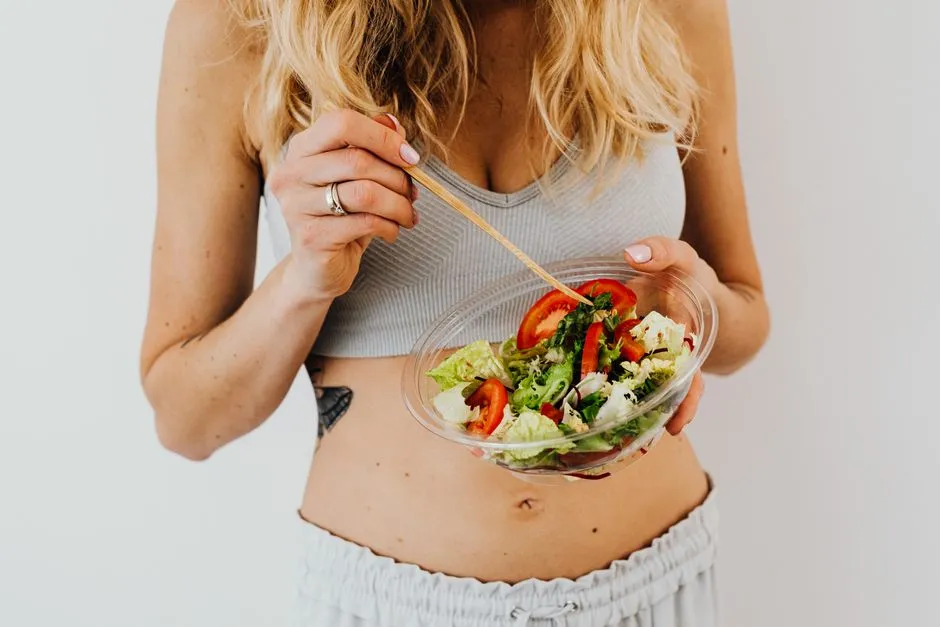
What is PCOS and Why Does It Affect Weight Loss?
Polycystic ovary syndrome (PCOS) is one of the most common hormonal disorders affecting women of reproductive age, yet it remains widely misunderstood — especially when it comes to weight management. If you’ve been eating carefully and still struggling to lose weight, PCOS may be working against you at a biological level.
Understanding PCOS: A Simple Breakdown
PCOS is an endocrine disorder characterized by elevated androgens (male hormones), irregular menstrual cycles, and often the presence of small cysts on the ovaries. It affects an estimated 1 in 10 women globally and disrupts multiple hormonal pathways simultaneously, making standard weight-loss advice frustratingly ineffective for many.
The Insulin Resistance Connection
At the heart of PCOS weight struggles is insulin resistance. The NIH NCCIH on insulin resistance and dietary interventions NIH NCCIH confirms that up to 70% of women with PCOS exhibit insulin resistance — meaning cells don’t respond efficiently to insulin, prompting the pancreas to overproduce it. Excess insulin signals the body to store fat, particularly around the abdomen, while simultaneously driving up androgen levels.
Why PCOS Makes Weight Loss Harder
Elevated androgens promote fat storage, chronic low-grade inflammation slows metabolism, and hormonal imbalances disrupt hunger signals — creating a cycle that’s genuinely harder to break than typical weight gain. Movement can help significantly alongside nutrition; our guide on explores complementary lifestyle strategies. Understanding these mechanisms is exactly why the best foods for PCOS weight loss must be chosen with hormonal biology in mind, not just calorie counts.
Best Foods to Eat for PCOS Weight Loss

Navigating dietary changes for Polycystic Ovary Syndrome (PCOS) can feel overwhelming, but focusing on specific food groups can significantly support weight loss and symptom management. The key is to choose nutrient-dense options that help regulate blood sugar, reduce inflammation, and provide sustained energy. The Mayo Clinic PCOS nutrition guidelines Mayo Clinic emphasize whole, unprocessed foods as the cornerstone of a PCOS-friendly diet.
Protein-Rich Foods: Your Weight Loss Foundation
Adequate protein intake is crucial for PCOS weight loss. Protein helps you feel fuller for longer, reducing overall calorie intake and preventing overeating. It also plays a vital role in maintaining muscle mass, which is essential for a healthy metabolism. Aim to include a source of lean protein with every meal and snack. Excellent choices include chicken breast, turkey, fish, eggs, tofu, lentils, and beans.
Low-Glycemic Carbohydrates and Fiber
Managing insulin resistance is a primary goal in PCOS, and low-glycemic index (GI) carbohydrates are key. These foods are digested slowly, leading to a gradual rise in blood sugar levels. Prioritize whole grains like quinoa, oats, and brown rice, as well as non-starchy vegetables such as leafy greens, broccoli, bell peppers, and zucchini. Fiber, abundant in these foods, further aids in blood sugar control and promotes satiety. Increasing fiber intake can also help with digestive health, a common concern for those with PCOS. If you’re looking for ways to incorporate more movement to complement your diet, consider the benefits of Best Yoga Poses for PCOS.
Healthy Fats and Omega-3s
Don’t shy away from healthy fats; they are essential for hormone production and reducing inflammation, which is often elevated in PCOS. Sources of monounsaturated and polyunsaturated fats include avocados, nuts, seeds (like chia, flax, and hemp), and olive oil. Omega-3 fatty acids, found in fatty fish such as salmon, mackerel, and sardines, are particularly beneficial for their anti-inflammatory properties and may help improve insulin sensitivity.
Micronutrients That Matter: Inositol, Vitamin D, and Magnesium
Certain micronutrients are frequently found to be deficient in individuals with PCOS and play critical roles in metabolic health. Inositol, often found in fruits like cantaloupe and citrus, and in whole grains, is linked to improved insulin sensitivity. Vitamin D, primarily obtained through sun exposure and fortified foods, is also crucial for insulin function and hormone balance. Magnesium, abundant in dark leafy greens, nuts, seeds, and dark chocolate, helps regulate blood sugar and can alleviate PCOS symptoms like fatigue and mood swings.
PCOS-Friendly Snack Ideas
Snacking strategically can prevent energy crashes and curb cravings. Opt for combinations that include protein, healthy fats, and fiber. Some great options include:
- A small handful of almonds or walnuts with an apple
- Greek yogurt with berries and chia seeds
- Hard-boiled eggs
- Vegetable sticks (carrots, celery, cucumber) with hummus
- A small avocado with a sprinkle of sea salt
Foods to Limit or Avoid with PCOS
Foods to Limit or Avoid with PCOS
While focusing on beneficial foods is key, understanding what to limit is equally important for managing PCOS weight loss. Certain food groups can exacerbate insulin resistance and hormonal imbalances, making weight management more challenging.
Refined Carbohydrates and Added Sugars
Foods high in refined carbohydrates, such as white bread, pastries, and sugary cereals, cause rapid spikes in blood sugar and insulin levels. This can worsen insulin resistance, a common issue in PCOS. Similarly, added sugars found in sodas, candies, and many processed snacks contribute to inflammation and can hinder weight loss efforts. While some research explores compounds like inositol for managing insulin sensitivity PubMed, reducing sugar intake remains a cornerstone of PCOS dietary management.
Ultra-Processed Foods and Trans Fats
Ultra-processed foods, often laden with unhealthy fats, added sugars, and sodium, can disrupt hormonal balance and contribute to inflammation. These include many convenience meals, fast food items, and packaged snacks. Trans fats, commonly found in fried foods and some baked goods, are particularly detrimental to heart health and can negatively impact PCOS symptoms.
Common PCOS Diet Myths Debunked
A prevalent myth suggests that all carbohydrates are bad for PCOS. In reality, complex carbohydrates found in whole grains, legumes, and vegetables provide essential fiber and nutrients and can be part of a balanced PCOS diet. Another misconception is that strict calorie restriction is the only path to weight loss; a focus on nutrient-dense foods that support hormonal health is often more sustainable and effective for managing PCOS. For those looking to complement dietary changes with exercise, exploring Best Yoga Poses for PCOS can be beneficial.
Practical Meal Prep and Sample Daily Menu
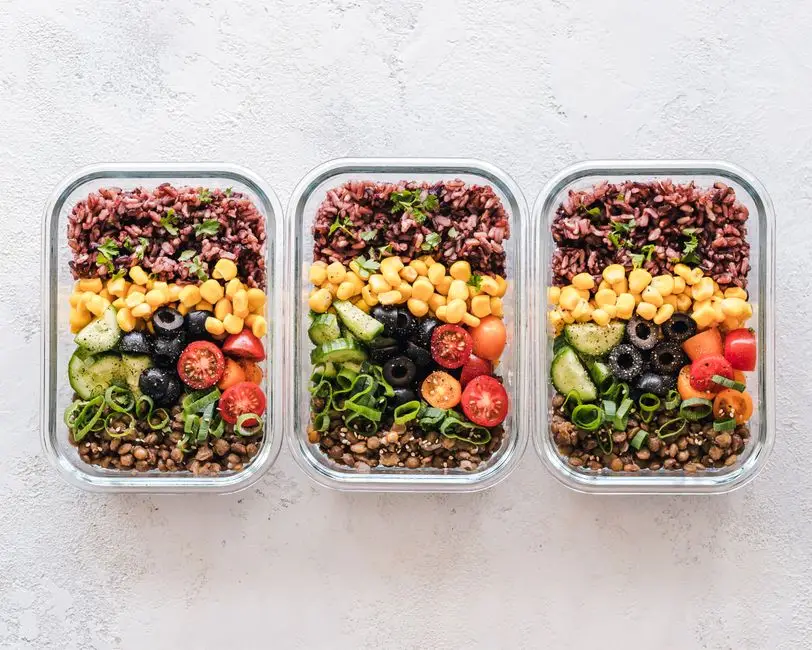
Easy Meal Prep Strategies for Busy Schedules
Making healthy choices for PCOS weight loss doesn’t require hours in the kitchen. Batch cooking staples like quinoa, roasted vegetables, and grilled chicken on the weekend can save significant time during the week. Pre-portioning snacks like nuts and seeds into small containers prevents mindless overeating. Consider investing in quality storage containers to keep your prepared meals fresh and organized.
Sample PCOS-Friendly Daily Menu
Here’s a sample day that balances macronutrients and focuses on whole foods:
- Breakfast: Scrambled eggs with spinach and a side of berries.
- Lunch: Large salad with grilled chicken or chickpeas, mixed greens, cucumber, bell peppers, and an olive oil-based vinaigrette.
- Snack: A small handful of almonds or a Greek yogurt with chia seeds.
- Dinner: Baked salmon with roasted broccoli and a small serving of sweet potato.
This menu emphasizes lean protein, healthy fats, and complex carbohydrates with a low glycemic index, a strategy supported by research from Harvard Health on glycemic index and weight management Harvard Health. For a complete 4-week PCOS meal prep guide with shopping lists and recipes, consider downloading our free PCOS Nutrition eBook.
Cultural Dietary Considerations: Indian PCOS Diet Example
Adapting PCOS-friendly eating to cultural preferences is key for long-term success. For individuals following an Indian diet, focus on whole grains like millets (jowar, bajra, ragi) and brown rice instead of refined white rice. Incorporate plenty of lentils (dal), beans, and diverse vegetables in curries and stir-fries. Opt for lean protein sources like paneer or chicken and use healthy cooking oils sparingly. Spices common in Indian cuisine, such as turmeric and ginger, also offer anti-inflammatory benefits. For those looking to incorporate movement into their routine, exploring Best Yoga Poses for PCOS can complement dietary changes.
Lifestyle Changes Beyond Diet
While focusing on the best foods for PCOS weight loss is crucial, a holistic approach incorporating lifestyle changes is equally vital. Sustainable results come from addressing multiple facets of your well-being.
Exercise and Movement for PCOS
Regular physical activity is a cornerstone of managing PCOS and supporting weight loss. Aim for a combination of aerobic exercise, strength training, and flexibility work. Even moderate activity like brisk walking can improve insulin sensitivity and reduce inflammation. Consider incorporating practices like those found in a guide to Best Yoga Poses for PCOS to enhance hormonal balance and manage symptoms.
Sleep, Stress, and Hormonal Balance
Disrupted sleep and chronic stress can significantly impact PCOS symptoms and hinder weight loss efforts by disrupting hormones like cortisol. Prioritizing 7-9 hours of quality sleep per night and implementing stress-management techniques, such as meditation or deep breathing exercises, are essential. These practices help regulate hormones that influence appetite and metabolism.
Mindful Eating and Emotional Wellness
Emotional eating can be a significant barrier to PCOS weight loss. Practicing mindful eating—paying full attention to the experience of eating and your body’s hunger and fullness cues—can help break this cycle. This means savoring each bite, eating without distractions, and distinguishing between physical hunger and emotional cravings. While specific macronutrient ratios can be guided by general recommendations like those from the WHO World Health Organization, mindful eating ensures you’re honoring your body’s signals.
When to Consult a Healthcare Provider

This article provides general, evidence-informed guidance on nutrition for PCOS, but it is not a substitute for personalized medical advice. Every person with PCOS presents differently — hormone levels, insulin sensitivity, thyroid function, and other factors vary widely. If you’re struggling to manage symptoms or weight despite dietary changes, speaking with a qualified healthcare provider is an important next step.
Working with a PCOS-Specialized Dietitian
A registered dietitian who specializes in PCOS can assess your individual metabolic profile and build a nutrition plan tailored to your needs — something no general guide can fully replicate. If you want personalized guidance, consider working with a PCOS-certified dietitian or exploring structured nutrition programs designed for PCOS management. Pairing nutrition support with movement strategies can also be valuable; our guide on covers complementary approaches worth exploring.
Medical Monitoring and Supplements
- Regular bloodwork: Ask your doctor to monitor fasting insulin, blood glucose, androgens, and thyroid markers periodically.
- Supplement safety: Nutrients like inositol, magnesium, and vitamin D are commonly discussed for PCOS, but dosing should be guided by a clinician based on your lab results.
- Medication review: If you’re taking metformin or hormonal treatments, dietary changes may affect how these work — always coordinate with your prescribing physician.
Key Takeaways and Your Next Steps
Managing PCOS weight loss comes down to a few consistent, evidence-based principles: prioritise low-glycaemic whole foods, build meals around lean protein and fibre, reduce ultra-processed carbohydrates, and support your body with anti-inflammatory choices every day. No single food is a cure, but the cumulative effect of better daily decisions genuinely moves the needle on insulin sensitivity, hormone balance, and sustainable fat loss.
Your next step is simple — start with one meal. Swap a high-sugar breakfast for a protein-rich alternative this week, then build from there using the sample menu in this guide. Small, stackable changes are far more effective than a dramatic overnight overhaul.
If you want to amplify your results beyond the plate, pairing your nutrition strategy with targeted movement can accelerate hormonal balance. Our guide on PCOS weight loss yoga shows you exactly how to combine both approaches for lasting, meaningful change.
You have the tools — now take the first step.
About the Author

Pratham Bavkar — Wellness Researcher · Founder, Yoga Therapy Guide
Pratham Bavkar is the founder of Yoga Therapy Guide and a wellness researcher focused on yoga therapy, mobility, and posture health. He creates evidence-based, beginner-friendly guides on yoga poses, stretching routines, and natural wellness practices to help readers improve daily health naturally.