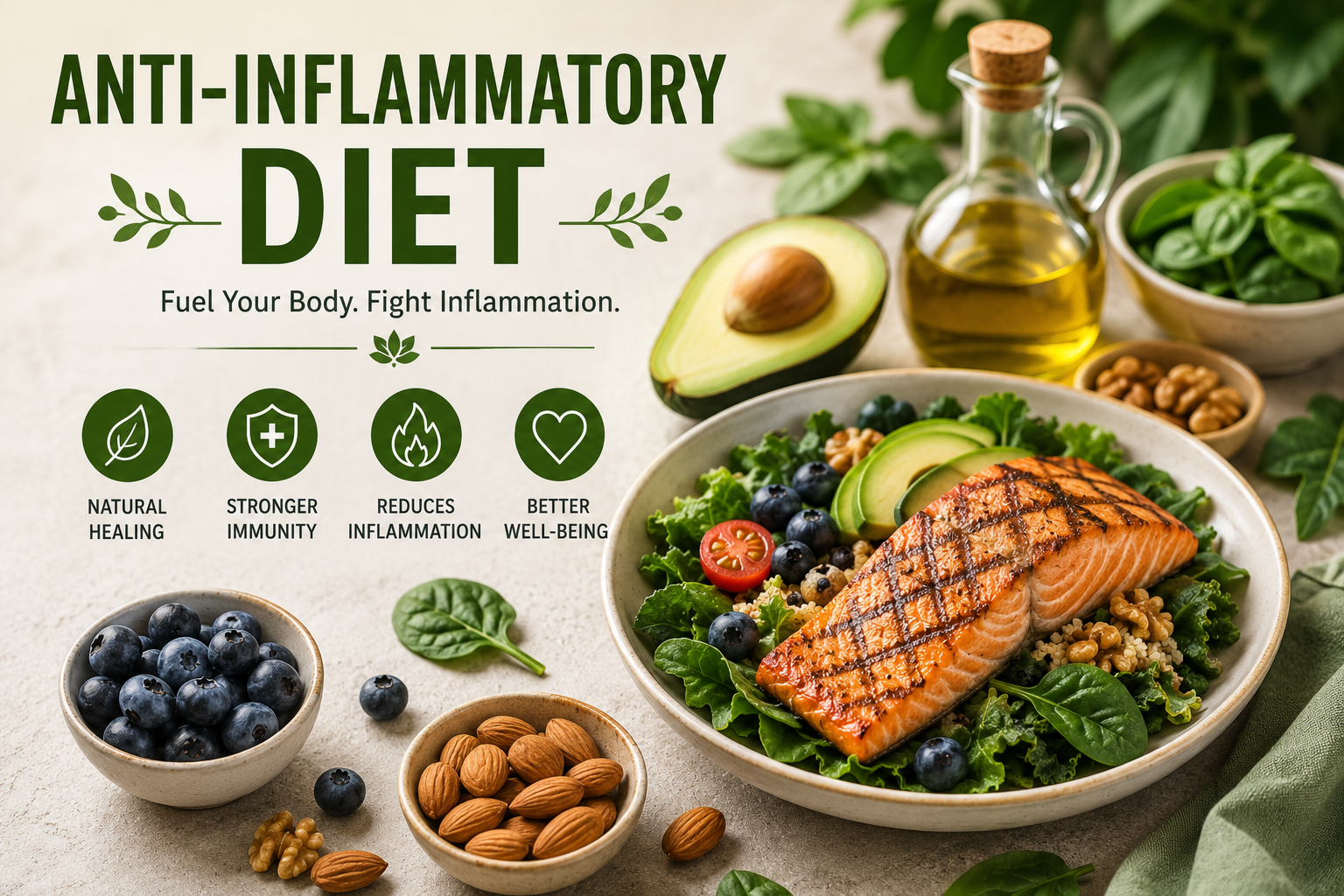
What Is an Anti-Inflammatory Diet?
Chronic inflammation is no longer considered just a symptom — researchers increasingly recognize it as a root driver of conditions ranging from heart disease and type 2 diabetes to autoimmune disorders and certain cancers. An anti-inflammatory diet is a structured, evidence-based approach to eating that targets this underlying biological process through everyday food choices.
Understanding Inflammation and Chronic Disease
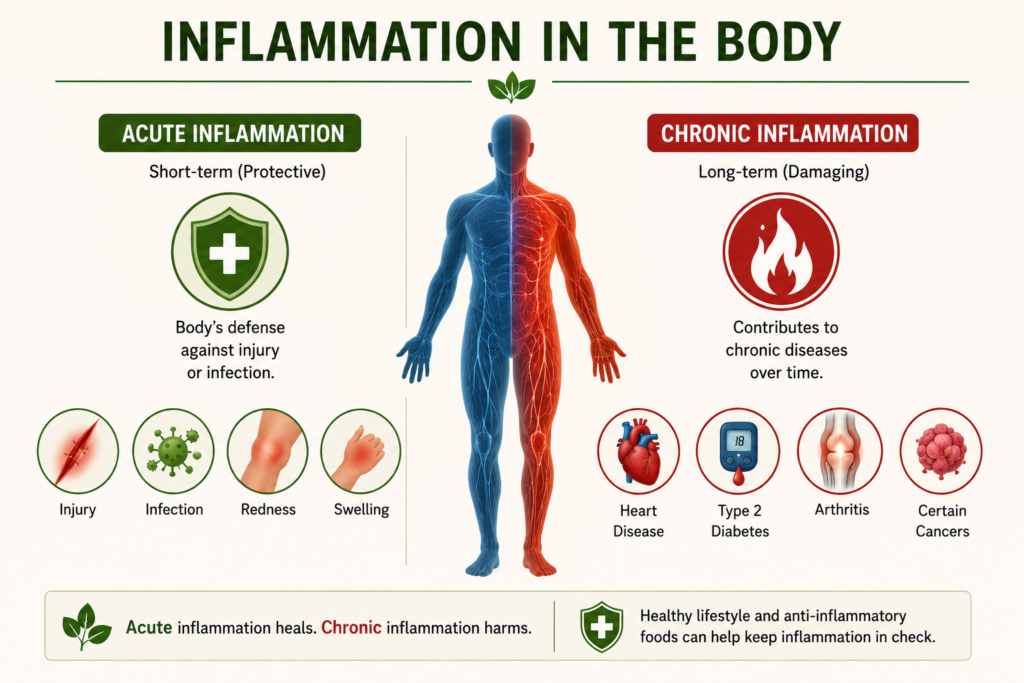
Acute inflammation is the body’s healthy, short-term response to injury or infection. Chronic inflammation, however, is a persistent, low-grade immune activation that quietly damages tissues over years. The Mayo Clinic on Anti-Inflammatory Diet Basics Mayo Clinic confirms that dietary patterns play a measurable role in either fueling or cooling this ongoing inflammatory state.
How Diet Influences Systemic Inflammation
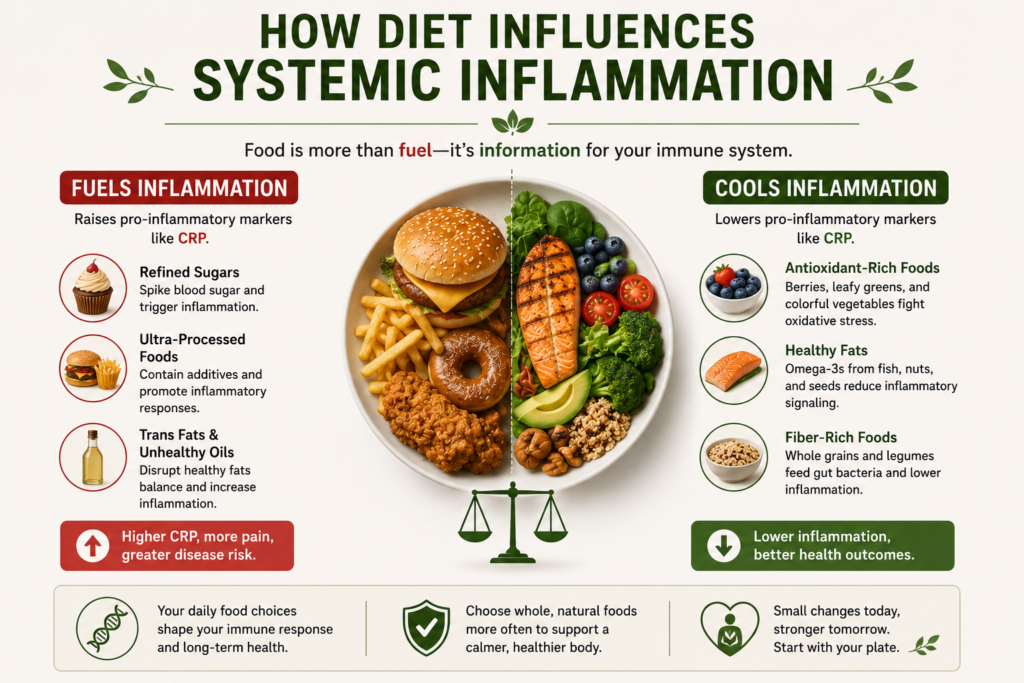
Food is not merely fuel — it delivers bioactive compounds that directly interact with immune signaling pathways. Refined sugars, trans fats, and ultra-processed foods elevate pro-inflammatory markers like C-reactive protein (CRP), while whole foods rich in fiber, antioxidants, and omega-3 fatty acids suppress them. Lifestyle factors compound this effect, and for a broader picture of how habits shape chronic disease outcomes, see our guide on how yoga helps manage chronic diseases.
The Science Behind Food and Immune Response
- Polyphenols in berries and olive oil inhibit NF-κB, a key inflammatory signaling molecule.
- Omega-3 fatty acids from fatty fish convert into resolvins that actively resolve inflammation.
- Dietary fiber feeds gut microbiota, which regulate systemic immune tone through short-chain fatty acid production.
Anti-Inflammatory Foods to Eat

Most Potent Anti-Inflammatory Foods
Incorporating specific foods into your diet can significantly combat chronic inflammation. At the forefront are fatty fish like salmon, mackerel, and sardines, rich in omega-3 fatty acids. These healthy fats work by reducing the production of inflammatory molecules in the body. Cleveland Clinic Pain Management Research Cleveland Clinic Pain highlights the role of omega-3s in managing pain associated with inflammatory conditions. Other potent choices include berries, known for their high antioxidant content, and leafy greens like spinach and kale, packed with vitamins and minerals that help neutralize free radicals.
Omega-3 Rich Sources and Their Benefits
Beyond fatty fish, plant-based sources of omega-3s, such as flaxseeds, chia seeds, and walnuts, offer valuable benefits. While the body converts these plant-based omega-3s (ALA) less efficiently than those from fish (EPA and DHA), they still contribute to reducing inflammation. These fats are crucial for cell membrane health and can help regulate immune responses, making them vital for managing conditions like heart disease and arthritis.
Colorful Vegetables and Phytonutrients
The vibrant colors of fruits and vegetables often indicate the presence of powerful phytonutrients, which act as antioxidants and anti-inflammatories. Think of the deep blues of blueberries, the bright reds of tomatoes (rich in lycopene), and the vibrant oranges of carrots (containing beta-carotene). These compounds help protect your cells from damage and can modulate inflammatory pathways. A diet rich in these colorful foods supports overall health and complements strategies like those found in.
Whole Grains and Fiber’s Role in Gut Health
Whole grains such as oats, quinoa, and brown rice are excellent sources of dietary fiber. Fiber is not only crucial for digestive health but also plays a significant role in reducing inflammation. It promotes the growth of beneficial gut bacteria, which in turn can influence the immune system and reduce systemic inflammation. A healthy gut microbiome is increasingly recognized as a cornerstone of overall well-being and chronic disease management.
Foods to Avoid: Pro-Inflammatory Culprits
Just as certain foods calm inflammation, others actively fuel it. Identifying and reducing these dietary culprits is a cornerstone of any effective anti-inflammatory diet for chronic disease management.
Processed Foods and Added Sugars
Ultra-processed foods — packaged snacks, fast food, sugary beverages, and cured meats — contain additives, preservatives, and excess sodium that promote inflammatory pathways. Added sugars spike insulin levels and trigger the release of pro-inflammatory cytokines. NIH NCCIH Studies on Dietary Interventions NIH NCCIH have linked high sugar intake to elevated markers of systemic inflammation.
Refined Carbohydrates and Glycemic Load
White bread, white rice, and pastries digest rapidly, causing blood sugar surges that stress the body’s inflammatory response. High-glycemic diets are consistently associated with increased C-reactive protein levels.
Unhealthy Fats and Trans Fats
Partially hydrogenated oils and excessive omega-6 fatty acids — common in fried foods and many vegetable oils — disrupt the omega-3 to omega-6 balance, actively promoting inflammation.
Health Risks Associated with Inflammatory Foods
- Cardiovascular disease: Chronic dietary inflammation damages arterial walls
- Type 2 diabetes: Persistent insulin resistance worsens over time
- Joint conditions: Inflammatory foods can amplify pain and stiffness
Pairing dietary changes with complementary lifestyle strategies — such as those explored in our guide on how yoga helps manage chronic diseases — can offer compounded benefits for long-term health.
Anti-Inflammatory Diet for Specific Chronic Diseases
Arthritis and Joint Pain Management
For conditions like arthritis, an anti-inflammatory diet focuses on reducing joint swelling and pain. This often involves increasing omega-3 fatty acids from sources like fatty fish and flaxseeds, and consuming plenty of antioxidant-rich fruits and vegetables. Limiting processed foods and refined sugars is also key, as these can exacerbate inflammation. Harvard Health on Inflammation and Chronic Disease highlights the link between diet and inflammatory conditions PubMed.
Inflammatory Bowel Disease (IBD) Considerations
Managing IBD, including Crohn’s disease and ulcerative colitis, requires a careful approach. While general anti-inflammatory principles apply, individuals with IBD may need to identify specific trigger foods. Some find relief by reducing common irritants like dairy, gluten, or high-FODMAP foods. Consulting with a healthcare professional is crucial for personalized advice. For those seeking tailored dietary strategies, a can provide expert guidance.
Heart Disease and Cardiovascular Health
An anti-inflammatory diet is foundational for heart health. Emphasizing whole grains, lean proteins, healthy fats, and abundant produce helps lower inflammation markers associated with cardiovascular disease. Reducing intake of saturated and trans fats, sodium, and added sugars is paramount. This dietary pattern supports healthy blood pressure and cholesterol levels.
A Typical Day: Real-World Example
A person managing chronic inflammation might start their day with oatmeal topped with berries and walnuts. Lunch could be a large salad with grilled salmon, mixed greens, and a lemon-vinaigrette dressing. Dinner might feature baked chicken breast with roasted sweet potatoes and steamed broccoli. Snacks could include an apple with almond butter or a handful of unsalted nuts. This balanced approach aims to consistently provide anti-inflammatory nutrients.
Myth-Busting: Common Anti-Inflammatory Diet Misconceptions
The journey to managing chronic disease with diet can be confusing. Let’s clear up some common myths.
Myth: All Fats Are Bad
This is far from the truth. Healthy fats, like those found in avocados, nuts, and olive oil, are crucial for reducing inflammation. In fact, PubMed Studies on Mediterranean Diet and Disease Prevention Harvard Health highlight the benefits of unsaturated fats.
Myth: You Must Eliminate All Carbohydrates
The focus isn’t on elimination but on choosing the right types. Complex carbohydrates, such as whole grains and vegetables, provide essential fiber and nutrients, unlike refined sugars and white flour.
Myth: Results Happen Overnight
Sustainable dietary changes take time. It’s important to be patient and consistent. For some, incorporating mindful practices like yoga can complement dietary efforts for overall well-being.
Validating Your Experience with Restrictive Diets
Feeling overwhelmed by dietary restrictions is normal. Remember, the goal is a balanced, sustainable approach, not deprivation. Focus on adding beneficial foods rather than solely restricting others.
Implementing an Anti-Inflammatory Diet: Practical Strategies
Meal Planning and Preparation Tips
Successfully adopting an anti-inflammatory diet hinges on smart planning and preparation. Start by dedicating time each week to plan your meals. This foresight helps prevent last-minute, less healthy choices. Consider batch cooking staples like quinoa, roasted vegetables, and lean proteins to simplify weekday meals. For those looking for a structured approach, an Anti-Inflammatory Meal Plan Template (Digital Download) can be a valuable tool to get started and stay organized.
Dining Out and Social Situations
Navigating dining out can be a challenge, but it’s manageable. Review menus online beforehand to identify suitable options. Don’t hesitate to ask your server about ingredients and preparation methods. Prioritize dishes rich in vegetables, lean proteins, and healthy fats. Opt for grilled or baked instead of fried. When attending social gatherings, consider bringing a healthy dish to share, ensuring you have a compliant option available.
Gut Health and Microbiome Support
A thriving gut microbiome is crucial for managing inflammation. Incorporate fermented foods like yogurt, kefir, and sauerkraut, which provide beneficial probiotics. Include prebiotic-rich foods such as garlic, onions, and bananas to nourish these good bacteria. Staying hydrated is also essential for digestive health and nutrient absorption. Following recommendations aligned with World Health Organization guidelines World Health Organization can further support overall well-being.
Building Sustainable Habits
Consistency is key to long-term success. Focus on making gradual, sustainable changes rather than drastic overhauls. Celebrate small victories and be patient with yourself. Remember that managing chronic conditions often involves a holistic approach, and complementing dietary changes with practices like mindful movement can be beneficial. For insights into one such practice, explore our guide on How Yoga Helps Manage Chronic Diseases.
Scientific Evidence and Research
Key Studies on Anti-Inflammatory Diets
Numerous studies highlight the power of anti-inflammatory eating patterns. Research published in peer-reviewed journals consistently demonstrates that diets rich in fruits, vegetables, whole grains, and lean proteins can significantly reduce inflammatory markers like C-reactive protein (CRP) and interleukin-6 (IL-6) Mayo Clinic. These dietary interventions are proving crucial in managing conditions such as heart disease, type 2 diabetes, and certain autoimmune disorders.
Comparison of Popular Approaches: Mediterranean vs. DASH vs. Ketogenic
While the Mediterranean diet is widely recognized for its anti-inflammatory benefits, the DASH (Dietary Approaches to Stop Hypertension) diet also shares many similar principles, focusing on whole foods and limiting sodium. The ketogenic diet’s role in inflammation is more complex and still under active investigation, with some research suggesting potential benefits in specific inflammatory conditions, though often with different mechanisms than traditional anti-inflammatory diets.
Long-Term Outcomes in Chronic Disease Management
Long-term adherence to anti-inflammatory diets has been linked to sustained improvements in chronic disease management. Studies show reduced risk of cardiovascular events and better glycemic control in individuals following these eating patterns consistently. Integrating such diets can be a cornerstone of a holistic approach to well-being, complementing other lifestyle factors like regular physical activity.
Benefits of an Anti-Inflammatory Diet for Chronic Diseases
Adopting an anti-inflammatory diet can produce meaningful, measurable improvements across multiple dimensions of health. Here’s what the evidence and real-world experience consistently show.
Pain Reduction and Improved Mobility
Chronic inflammation is a primary driver of joint pain and stiffness. Research confirms Cleveland Clinic Pain that dietary shifts toward omega-3s, polyphenols, and antioxidants can significantly reduce inflammatory markers like CRP and IL-6, translating into less daily pain and greater freedom of movement — particularly for those with arthritis or fibromyalgia.
Enhanced Energy and Quality of Life
Systemic inflammation quietly drains energy. Many people report noticeable improvements in mental clarity, mood, and stamina within weeks of dietary change. Pairing these nutritional shifts with complementary approaches — such as those outlined in our guide on how yoga helps manage chronic diseases — can amplify these gains further.
Reduced Medication Dependence
Some individuals, under medical supervision, have successfully reduced reliance on NSAIDs and other medications after sustained dietary changes. While this isn’t universal, it represents a compelling potential benefit worth discussing with your healthcare provider.
Success Stories and Real-World Results
Clinical trials and patient accounts alike highlight consistent themes: reduced flare-ups, better sleep, and improved daily function. These aren’t outliers — they reflect what’s achievable when dietary change is applied consistently and strategically.
About the Author

Pratham Bavkar — Wellness Researcher · Founder, Yoga Therapy Guide
Pratham Bavkar is the founder of Yoga Therapy Guide and a wellness researcher focused on yoga therapy, mobility, and posture health. He creates evidence-based, beginner-friendly guides on yoga poses, stretching routines, and natural wellness practices to help readers improve daily health naturally.