
What Is the Paleo Diet?
The paleo diet asks a simple question: what would our ancestors have eaten? The answer shapes every food choice you make on this plan — and understanding both its logic and its limitations is essential before you commit.
The Core Premise
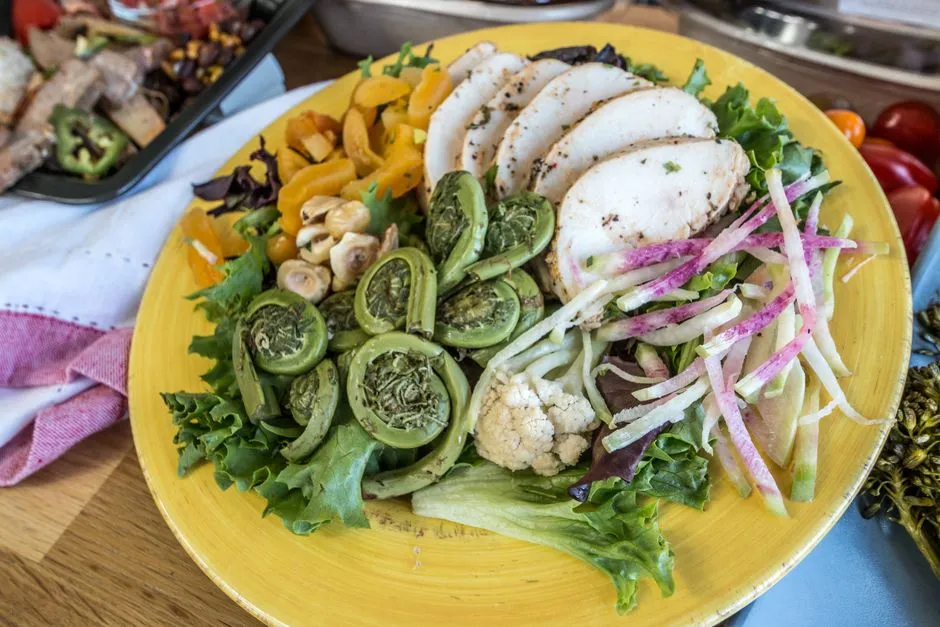
The paleo diet — short for Paleolithic diet — centers on eating whole, unprocessed foods that hunter-gatherer humans theoretically consumed before agriculture emerged roughly 10,000 years ago. That means prioritizing meat, fish, eggs, vegetables, fruits, nuts, and seeds while eliminating grains, legumes, dairy, and refined sugar. Proponents argue that our genetics haven’t adapted to modern agricultural foods, making them a root cause of chronic disease.
Historical Context and Modern Interpretation
Here’s where nuance matters. NIH NCCIH studies on paleo diet efficacy and safety NIH NCCIH acknowledge that ancient diets varied enormously by geography and season — no single “caveman menu” existed. Modern paleo is therefore less a historical recreation and more a practical framework: reduce processed foods, increase nutrient density, and let whole foods dominate your plate.
Foods to Eat on the Paleo Diet
Proteins and Meats
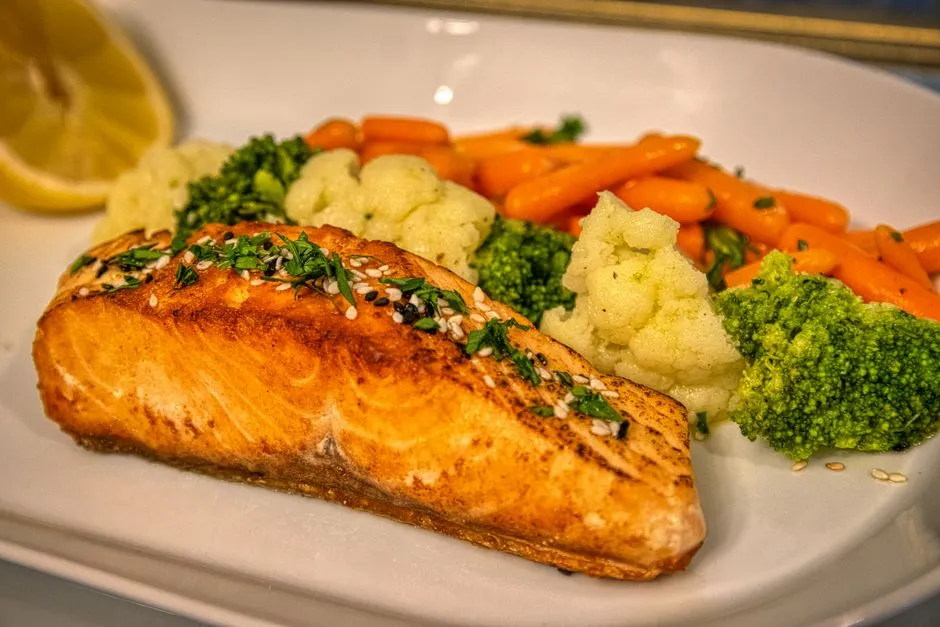
The foundation of the paleo diet is lean protein. This includes grass-fed meats like beef, lamb, and pork, as well as poultry such as chicken and turkey. Wild-caught fish, like salmon and tuna, are also excellent choices due to their high omega-3 fatty acid content. Eggs are another staple, providing essential nutrients and versatility in meals.
Vegetables and Fruits
Load up on a wide variety of non-starchy vegetables. Think leafy greens, broccoli, cauliflower, bell peppers, and carrots. These are packed with vitamins, minerals, and fiber. Fruits, while containing natural sugars, can be enjoyed in moderation. Berries, apples, and bananas are good options. Some studies suggest the paleo diet can positively impact metabolic markers Mayo Clinic.
Healthy Fats and Nuts
Incorporate healthy fats from sources like avocados, olive oil, and coconut oil. Nuts and seeds (excluding peanuts, which are legumes) are also encouraged. Almonds, walnuts, cashews, chia seeds, and flaxseeds provide healthy fats and some protein. Remember to choose raw, unsalted varieties whenever possible.
Foods to Avoid on the Paleo Diet
Grains and Legumes
The paleo diet emphasizes foods presumed to be available to early humans before widespread agriculture. This means grains (like wheat, rice, and corn) and legumes (beans, lentils, and peanuts) are typically excluded. The reasoning is that their anti-nutrients, such as phytates and lectins, can interfere with nutrient absorption and potentially cause inflammation PubMed.
Dairy and Processed Foods
Dairy products are generally avoided due to lactose intolerance and the belief that early humans consumed little to no dairy after infancy. Highly processed foods, including refined sugars, artificial sweeteners, and vegetable oils, are also excluded. These are seen as modern inventions that contribute to chronic diseases.
Common Hidden Sources
Be aware of hidden sources of these restricted foods. Many packaged goods, sauces, and even some seemingly healthy snacks can contain added sugars, grains, or dairy. Reading labels carefully is crucial for adhering to the paleo diet’s principles.
Paleo Diet Benefits: What the Science Actually Shows
Sorting genuine research findings from enthusiastic marketing claims is essential before committing to any major dietary change. Here’s what the evidence actually supports.
Weight Loss and Metabolic Health
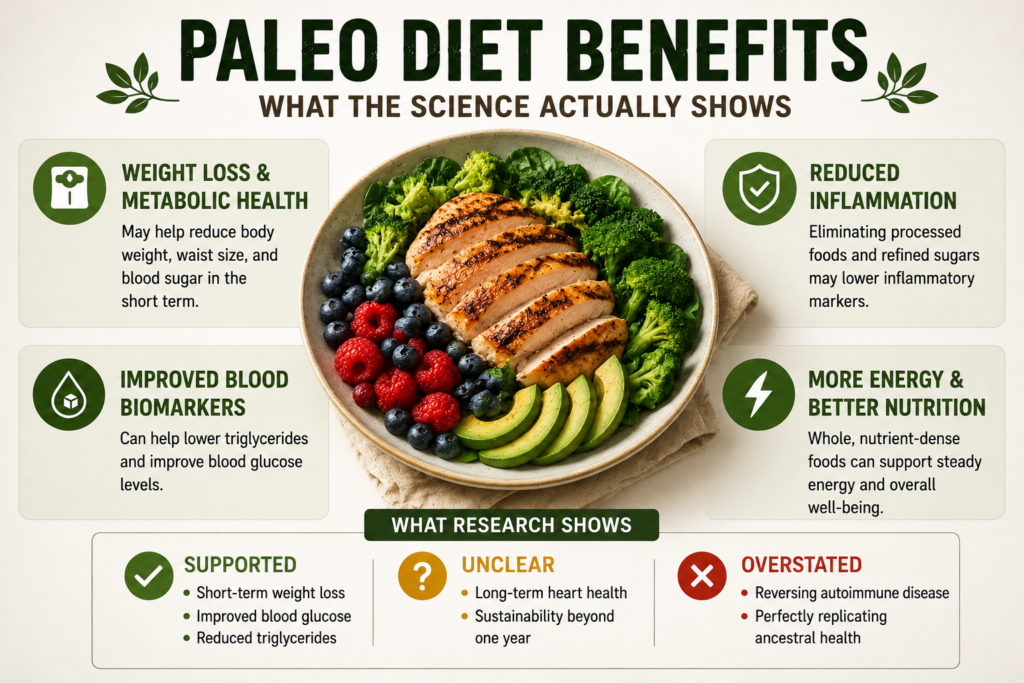
Short-term studies consistently show that paleo-style eating can reduce body weight, waist circumference, and fasting blood sugar. The likely drivers are higher protein intake and the elimination of processed foods — both well-established appetite regulators. Harvard Health articles on paleo vs. other diets Harvard Health note these results are promising but often based on small, short-duration trials, making long-term conclusions difficult.
Inflammation and Autoimmune Conditions
Some people report meaningful symptom relief from inflammatory and autoimmune conditions. Removing ultra-processed foods and refined sugars plausibly reduces inflammatory load, though rigorous clinical trials specifically on paleo remain limited. Always consult a qualified healthcare provider before using diet to manage a diagnosed condition.
What Research Supports vs. Hype
- Supported: Short-term weight loss, improved blood glucose, reduced triglycerides
- Overstated: Claims of reversing autoimmune disease or replicating ancestral health perfectly
- Unclear: Long-term cardiovascular outcomes and sustainability beyond one year
Risks and Downsides of the Paleo Diet
Nutritional Deficiencies
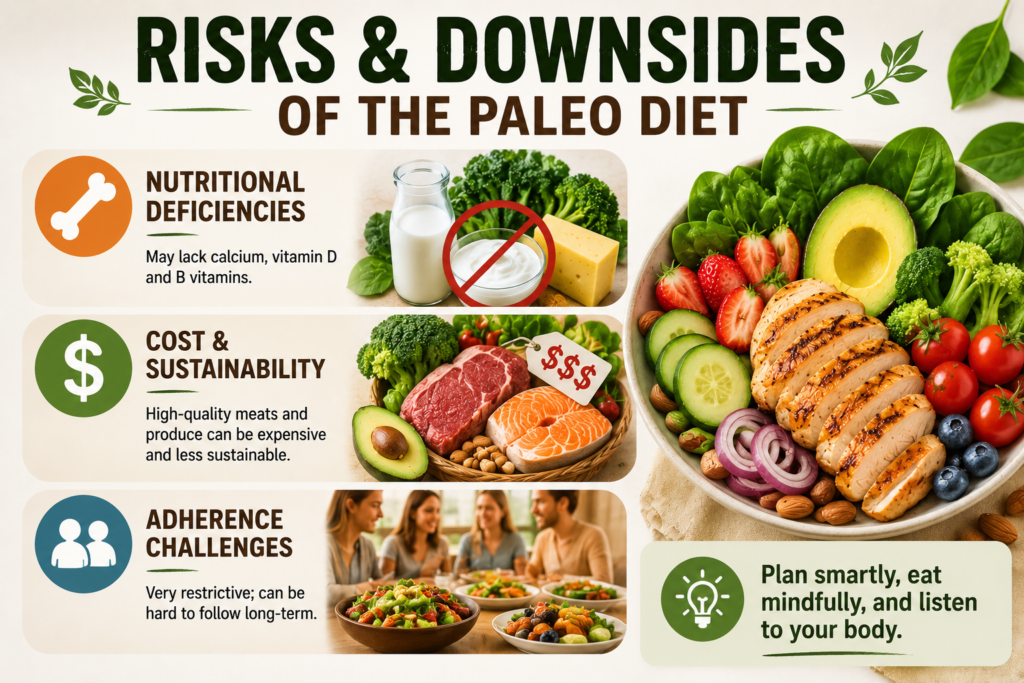
Eliminating dairy and legumes removes convenient sources of calcium, vitamin D, and certain B vitamins. Without careful planning, long-term followers may develop deficiencies that affect bone density and energy metabolism. Consulting a registered dietitian before starting paleo is strongly advisable, particularly for older adults and those with existing health conditions.
Cost and Sustainability Concerns
Grass-fed meat, wild-caught fish, and organic produce carry significant price premiums, making paleo difficult to sustain on a modest budget. Beyond personal cost, WHO nutrition guidelines for context on sustainability and environmental impact World Health Organization highlight that diets heavy in animal protein place greater strain on land and water resources than plant-forward eating patterns.
Long-Term Adherence Challenges
Paleo’s strict exclusions make social eating genuinely difficult. Birthdays, travel, and shared meals all require constant negotiation. Research consistently shows that highly restrictive dietary patterns have lower long-term adherence rates, and for sustainable weight loss strategies to succeed, flexibility often matters as much as the specific foods chosen.
Paleo vs. Other Popular Diets
Paleo vs. Keto
The paleo diet and the ketogenic (keto) diet share some similarities, primarily focusing on whole, unprocessed foods and eliminating refined carbohydrates and sugars. However, a key difference lies in their approach to fats and carbohydrates. While paleo emphasizes lean proteins and fruits, keto drastically limits carbohydrates to induce ketosis, where the body burns fat for fuel. This means keto often includes higher amounts of fat, including dairy, which is typically excluded from paleo.
Paleo vs. Mediterranean
The Mediterranean diet is widely praised for its health benefits and emphasizes fruits, vegetables, whole grains, legumes, nuts, seeds, olive oil, and fish. The paleo diet, while also focusing on whole foods, excludes grains, legumes, and dairy, which are staples in the Mediterranean diet. This makes the paleo diet more restrictive in terms of food groups compared to the more balanced and inclusive Mediterranean approach.
Paleo vs. Whole30
The Whole30 program is a short-term elimination diet that shares many principles with paleo, excluding grains, legumes, dairy, refined sugar, and alcohol. The primary distinction is that Whole30 is a strict 30-day reset, designed to identify food sensitivities and reintroduce foods gradually. Paleo, on the other hand, is typically adopted as a long-term lifestyle or eating pattern.
Practical Tips for Starting and Sustaining Paleo
Transitioning from Different Diets
Starting the paleo diet doesn’t have to be an abrupt overhaul. If you’re coming from a standard Western diet, begin by gradually eliminating processed foods, refined sugars, and grains. Focus on adding in more paleo-friendly staples like vegetables, fruits, and lean proteins first. For those on ketogenic or low-carb diets, the transition may be smoother as many low-carb foods are also paleo-compliant. The key is consistency and patience with yourself.
Budget-Friendly Strategies
Eating paleo doesn’t need to break the bank. Focus on seasonal produce, buy in bulk when possible, and opt for less expensive cuts of meat. Frozen fruits and vegetables are often just as nutritious as fresh and can be more cost-effective. Consider a resource like a Paleo Budget Cookbook or exploring discount grocery services to help manage costs. Planning meals ahead of time also minimizes impulse buys and food waste.
Navigating Social Situations and Dining Out
Social events and dining out require a bit of foresight on the paleo diet. When dining out, look for restaurants that offer grilled meats, fish, and plenty of vegetable sides. Don’t hesitate to ask for modifications, such as dressings on the side or vegetables prepared without butter or sugar. At social gatherings, you can offer to bring a paleo-friendly dish to share, ensuring you have a safe and compliant option. Informing hosts in advance can also be helpful.
Sample Paleo Meal Plan and Beginner Recipes
One-Week Meal Framework
A simple paleo week rotates protein sources, colorful vegetables, and healthy fats. Breakfast might be scrambled eggs with spinach and avocado; lunch, a large salad topped with grilled chicken and olive oil dressing; dinner, baked salmon with roasted sweet potato and broccoli. Repeat this structure, swapping proteins and vegetables daily to prevent boredom and ensure nutritional variety.
Quick Beginner-Friendly Recipes
- Sheet-pan chicken and vegetables — toss thighs with olive oil, garlic, and seasonal vegetables; roast at 400°F for 35 minutes.
- Beef and vegetable stir-fry — cook strips of beef with peppers, onions, and coconut aminos.
- Banana almond-butter smoothie — blend one banana, almond butter, and coconut milk for a fast breakfast.
For a downloadable 4-week paleo meal plan complete with shopping lists and ready-to-cook recipes, consider the Paleo Meal Planning eBook — a convenient shortcut that removes the guesswork entirely.
About the Author

Pratham Bavkar — Wellness Researcher · Founder, Yoga Therapy Guide
Pratham Bavkar is the founder of Yoga Therapy Guide and a wellness researcher focused on yoga therapy, mobility, and posture health. He creates evidence-based, beginner-friendly guides on yoga poses, stretching routines, and natural wellness practices to help readers improve daily health naturally.