
Understanding Anxiety: Types and Triggers
Anxiety is one of the most common mental health experiences in the world — yet it’s also one of the most misunderstood. Many people dismiss their symptoms as simple stress or worry, never realizing that what they’re experiencing has a name, a pattern, and — crucially — effective solutions. Before you can manage anxiety well, you need to understand what you’re actually dealing with.
What Is Anxiety and How Does It Manifest?
Anxiety is your body’s natural alarm system, designed to prepare you for perceived threats. In short bursts, it’s useful. When it becomes persistent, disproportionate, or difficult to control, it crosses into problematic territory. Symptoms can be physical (racing heart, muscle tension, shallow breathing), cognitive (intrusive thoughts, difficulty concentrating, catastrophizing), or behavioral (avoidance, social withdrawal, compulsive checking). Because anxiety wears so many faces, people often don’t connect their headaches or sleep problems to an underlying anxiety pattern.
Common Types of Anxiety Disorders
The Mayo Clinic on anxiety disorders and management strategies Mayo Clinic identifies several distinct conditions, each with its own signature. Generalized Anxiety Disorder (GAD) involves chronic, free-floating worry across multiple areas of life. Social anxiety disorder centers on intense fear of judgment or humiliation in social situations. Panic disorder produces sudden, overwhelming episodes of fear. Specific phobias trigger intense distress around particular objects or situations. Recognizing which type resonates with your experience is the first step toward targeted, effective relief.
Identifying Your Personal Anxiety Triggers
Triggers are the specific situations, thoughts, or sensations that activate your anxiety response. Common categories include work pressure, relationship conflict, financial uncertainty, health concerns, and sensory overload. Keeping a simple anxiety journal — noting when symptoms spike, what preceded them, and how intense they felt — can reveal patterns that aren’t obvious in the moment. Physical health also plays a role; chronic inflammation and stress are deeply intertwined, as explored in our guide on anti-inflammatory diet for chronic disease management. Once you map your triggers, you shift from reacting to your anxiety to actively anticipating and managing it.
Immediate Coping Techniques You Can Use Today
You don’t need a therapist’s appointment or a prescription to start feeling better today. Several well-researched anxiety management techniques work quickly and can be practiced anywhere — at your desk, in your car, or before bed. Here’s how to use them effectively.
Breathing Exercises for Rapid Anxiety Relief
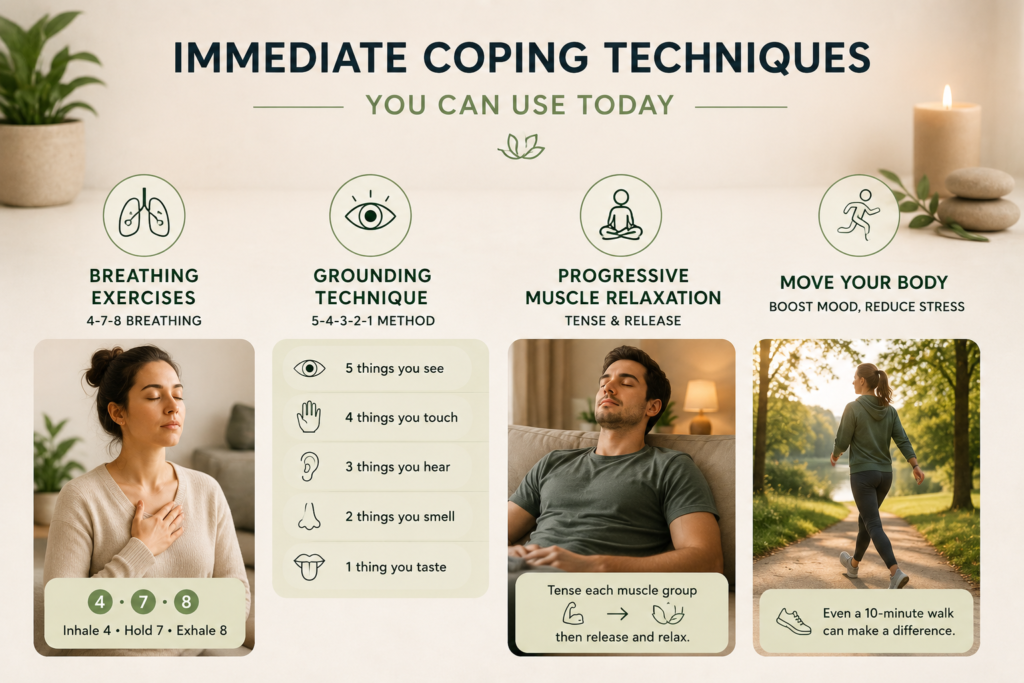
When anxiety spikes, your breathing becomes shallow, which signals your nervous system to stay on high alert. Deliberately slowing your breath interrupts that cycle. The 4-7-8 technique — inhale for 4 counts, hold for 7, exhale for 8 — activates the parasympathetic nervous system within minutes. Box breathing (4 counts in, hold, out, hold) is another reliable option used by military personnel and first responders for rapid stress control. Practice either method for just two to three minutes to notice a measurable shift in tension. The NIH NCCIH on mindfulness and meditation effectiveness NIH NCCIH confirms that breath-focused practices meaningfully reduce anxiety symptoms in both clinical and everyday populations.
Grounding Techniques (5-4-3-2-1 Method)
Grounding pulls your attention away from anxious thoughts and anchors it in the present moment. The 5-4-3-2-1 method works by engaging all five senses: identify 5 things you can see, 4 you can touch, 3 you can hear, 2 you can smell, and 1 you can taste. This interrupts the mental loop of worry and is particularly useful during panic episodes or intrusive thoughts. It requires no equipment and can be done silently in any setting.
Progressive Muscle Relaxation
Progressive muscle relaxation (PMR) involves systematically tensing and releasing muscle groups from your feet upward. Each cycle of tension and release teaches your body to recognize — and let go of — physical stress. A single 10-minute PMR session before sleep can reduce both physical tension and anxious rumination. Consistency matters more than duration; even brief daily practice builds long-term resilience.
The Power of Movement and Micro-Workouts
Exercise is one of the most reliably effective anxiety management tools available. Even a 10-minute brisk walk raises endorphins and lowers cortisol noticeably. If a full workout feels overwhelming, micro-workouts — short bursts of movement like jumping jacks, stair climbing, or stretching — deliver real benefit. For those managing both stress and physical health concerns, our guide on yoga for high blood pressure explores how gentle movement can address multiple symptoms simultaneously. Aim for movement you’ll actually do rather than the “perfect” workout you’ll avoid.
Mindfulness and Meditation for Anxiety Management
Beginner-Friendly Meditation Practices
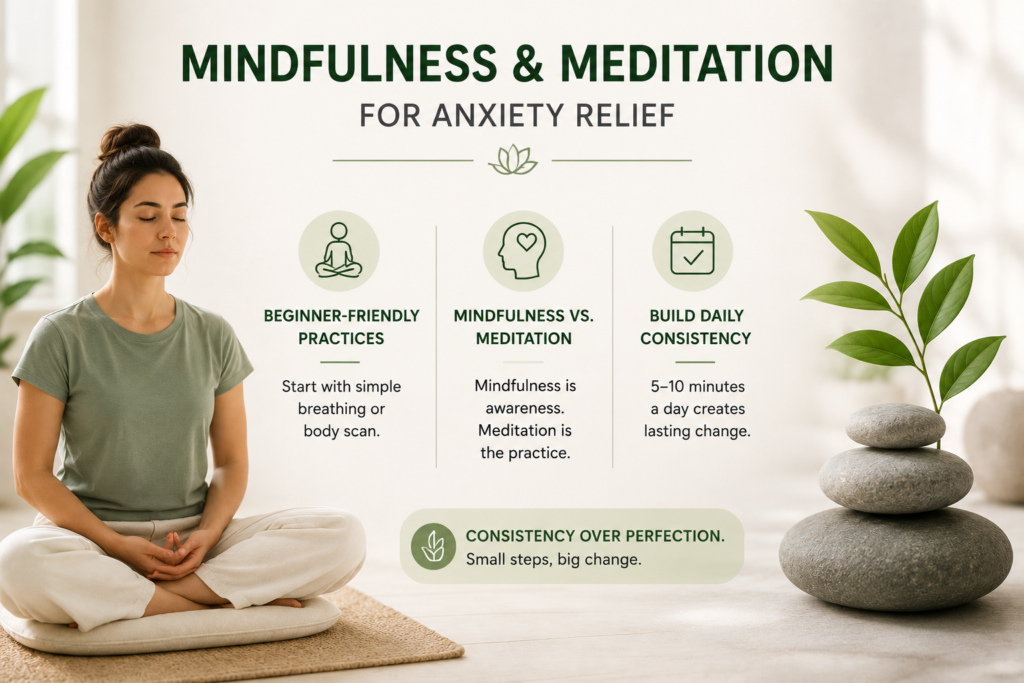
Starting with meditation doesn’t require hours of silent sitting. A simple technique is the body scan. Lie down or sit comfortably, close your eyes, and bring your attention to your toes. Notice any sensations without judgment. Slowly move your awareness up your body, foot by foot, leg by leg, noticing your breath in your abdomen, chest, and throat, all the way to the crown of your head. Another accessible practice is mindful breathing. Simply focus on the sensation of air entering and leaving your nostrils or the rise and fall of your chest. When your mind wanders, gently guide it back to your breath. Even five minutes a day can make a difference.
Mindfulness vs. Meditation: Key Differences
While often used interchangeably, mindfulness and meditation are distinct. Mindfulness is a state of present-moment awareness – paying attention to your thoughts, feelings, bodily sensations, and surrounding environment without judgment. It’s a quality you can cultivate throughout your day. Meditation, on the other hand, is a formal practice, a specific technique designed to train attention and awareness, often leading to a mentally clear and emotionally calm state. Think of mindfulness as the goal, and meditation as one of the primary tools to achieve it. Many effective anxiety management strategies, like those explored in PubMed studies on cognitive behavioral therapy and anxiety PubMed, integrate both.
Building a Sustainable Daily Practice
Consistency is key to reaping the benefits of mindfulness and meditation. Start small, perhaps with just 5-10 minutes each morning or evening. Choose a time when you’re least likely to be interrupted. Finding a quiet space can help. For some, a guided meditation from a dedicated meditation app or mindfulness platform can be a helpful starting point, offering structure and variety. Many offer free introductory courses or resources. The goal is to create a habit, not to achieve perfection. Some people find it beneficial to track their progress or mood before and after sessions, which can be done with simple journaling or through tracking features in an app.
Overcoming Common Meditation Obstacles
It’s common to encounter challenges when starting meditation. A busy mind that won’t quiet down is perhaps the most frequent hurdle. Remember, the goal isn’t to stop thinking, but to observe your thoughts without getting carried away by them. When your mind wanders, simply acknowledge it and gently return your focus to your anchor (like your breath). Feeling restless or uncomfortable is also normal. Experiment with different postures – sitting on a cushion, a chair, or even lying down for a body scan can help. If you experience significant distress, it may be beneficial to explore movement-based practices like those found in yoga for high blood pressure. Patience and self-compassion are vital; every session is an opportunity to practice, not a test.
Lifestyle Changes That Reduce Anxiety
Nutrition and Diet’s Role in Anxiety Management
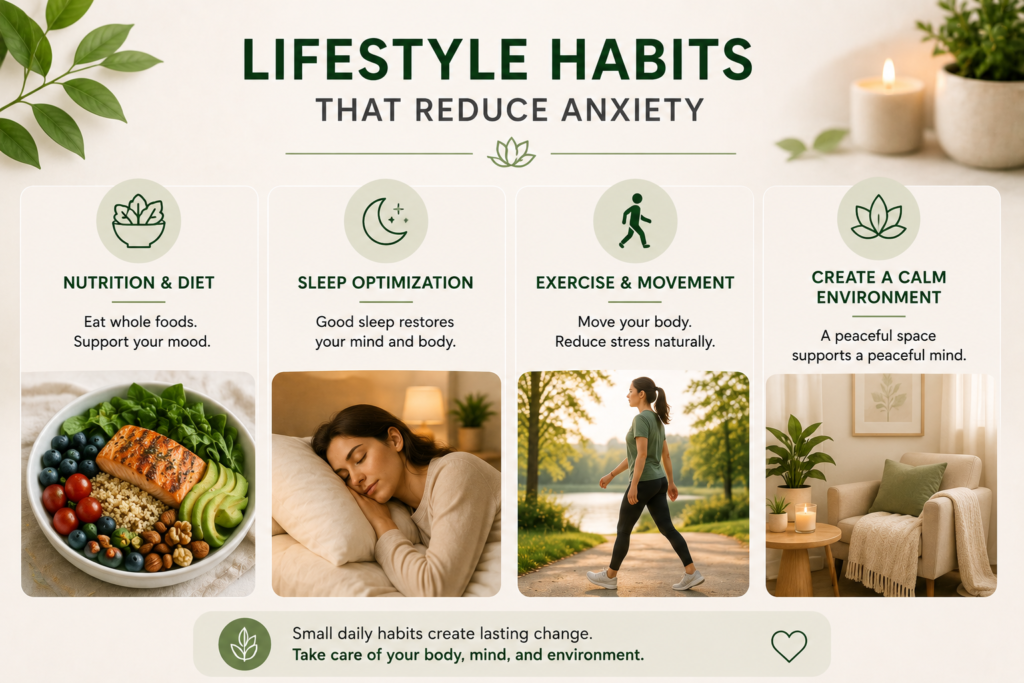
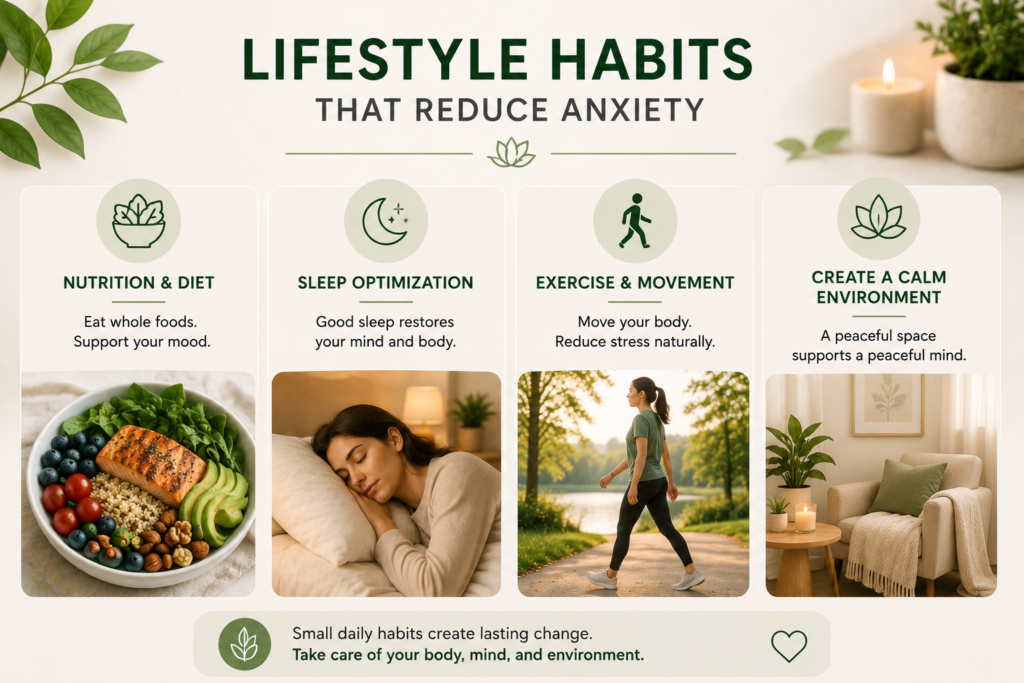
What you eat significantly impacts your mental well-being. Research suggests that a balanced diet, rich in whole foods and low in processed items, can help stabilize mood and reduce anxiety symptoms. Focusing on nutrients like magnesium, omega-3 fatty acids, and B vitamins may be particularly beneficial. For instance, incorporating fatty fish, nuts, seeds, and leafy greens can support brain health and reduce inflammation, a factor linked to anxiety. Conversely, excessive sugar and caffeine can exacerbate anxiety in some individuals. Exploring an Anti-Inflammatory Diet for Chronic Disease Management: A Science-Based Guide can offer further insights into dietary patterns that support overall health and reduce systemic inflammation, which often plays a role in anxiety.
Sleep Optimization for Emotional Resilience
Adequate, quality sleep is fundamental for managing anxiety. During sleep, your brain processes emotions and consolidates memories, helping you cope with stress more effectively. Poor sleep, on the other hand, can amplify feelings of anxiety and irritability. Establishing a consistent sleep schedule, creating a relaxing bedtime routine, and optimizing your sleep environment are key components of good sleep hygiene. This might include ensuring your bedroom is dark, quiet, and cool. Investing in a comfortable mattress or pillow, or utilizing a sleep tracking app, can also be valuable tools for improving sleep quality and building emotional resilience.
Exercise as a Natural Anxiety Reducer
Regular physical activity is a powerful, natural anxiety reducer. Exercise releases endorphins, which have mood-boosting and stress-relieving effects. It also helps to regulate neurotransmitters like serotonin and norepinephrine, which play a role in mood and anxiety regulation. Aim for a combination of aerobic exercise, like brisk walking or jogging, and strength training. Even moderate activity can make a significant difference. Finding an enjoyable form of movement is crucial for long-term adherence.
Managing Anxiety in Specific Contexts (Work, Social, Home)
Anxiety often manifests differently depending on the situation. In the workplace, setting boundaries, prioritizing tasks, and taking short breaks can help manage stress. Social anxiety may benefit from gradual exposure to social situations and practicing social skills. At home, creating a calming environment and establishing routines can foster a sense of security. Harvard Health on lifestyle factors affecting anxiety Harvard Health emphasizes that tailoring strategies to specific triggers is essential for effective anxiety management. Recognizing your personal patterns and developing context-specific coping mechanisms empowers you to navigate challenging situations more effectively.
Therapy Options and Professional Help
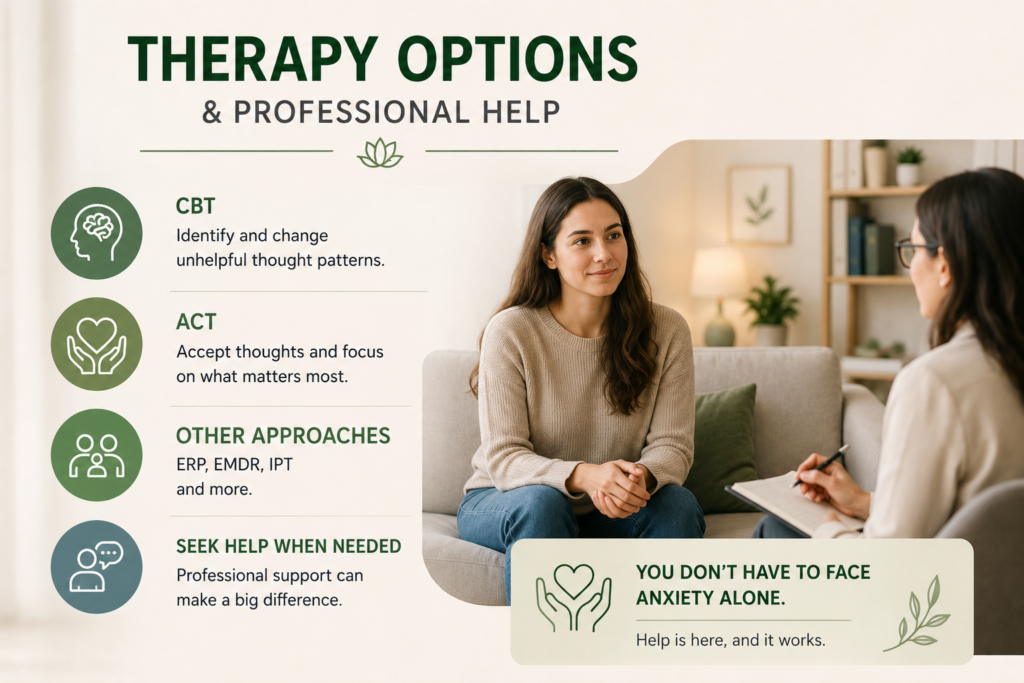
Choosing the right therapeutic approach can make a significant difference in how effectively you manage anxiety long-term. Different modalities suit different people, and understanding their distinctions helps you have more informed conversations with a mental health professional.
Cognitive Behavioral Therapy (CBT) for Anxiety
CBT is the most extensively researched psychological treatment for anxiety disorders. It works by identifying and restructuring distorted thought patterns — called cognitive distortions — that fuel anxious responses. Alongside thought work, CBT incorporates behavioral techniques such as gradual exposure to feared situations. Most people see meaningful improvement within 12–20 structured sessions.
Acceptance and Commitment Therapy (ACT)
ACT takes a different philosophical stance: rather than challenging anxious thoughts, it teaches you to observe them without judgment and commit to value-driven action regardless of discomfort. Research suggests ACT is particularly effective for generalized anxiety and chronic worry, and its skills tend to integrate well with daily mindfulness practice.
Other Evidence-Based Therapy Modalities
- Exposure and Response Prevention (ERP): First-line treatment for OCD-related anxiety
- EMDR: Effective when anxiety is rooted in traumatic experiences
- Interpersonal Therapy (IPT): Addresses anxiety linked to relationship difficulties
When to Seek Professional Support
WHO guidelines on mental health and anxiety management World Health Organization recommend professional evaluation when anxiety significantly impairs daily functioning, persists beyond several weeks, or involves physical symptoms that haven’t been medically ruled out. If lifestyle strategies and self-help tools — including those covered throughout this guide — aren’t providing sufficient relief, consulting a licensed therapist or psychiatrist is a responsible next step. For those whose anxiety intersects with physical health concerns, our guide on yoga for high blood pressure may also offer complementary strategies worth discussing with your provider.
Building Your Personalized Anxiety Management Plan
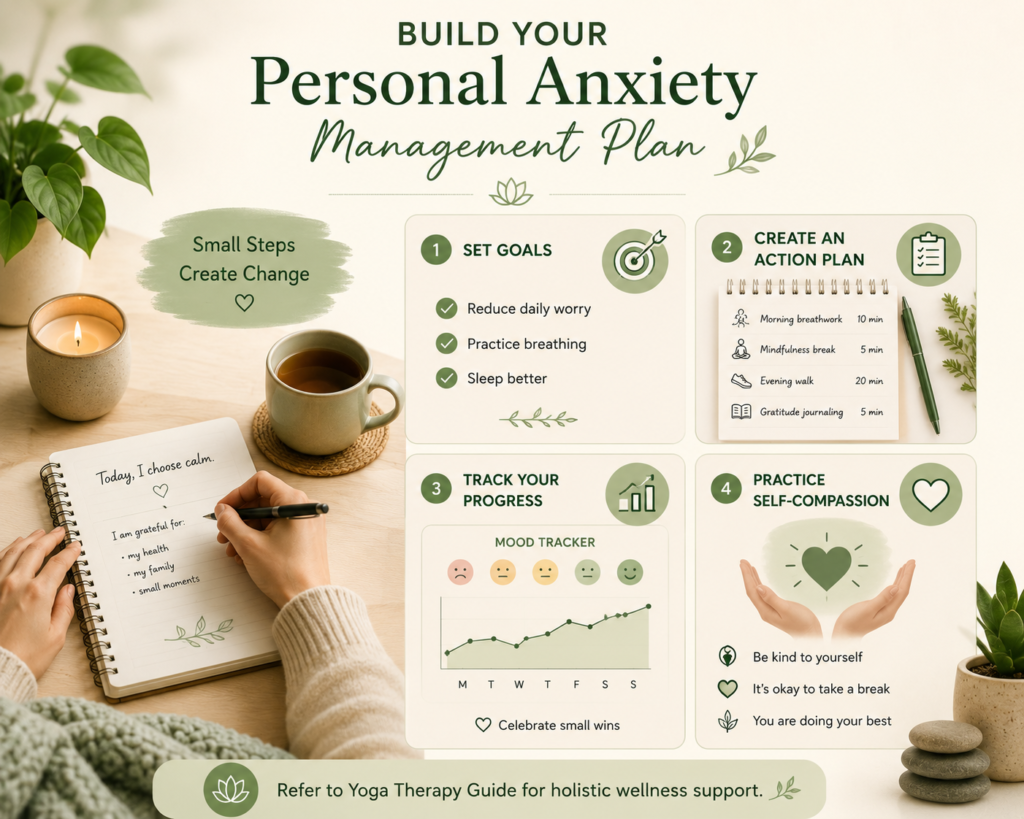
Effective anxiety management isn’t one-size-fits-all. Building a personalized plan means combining evidence-based strategies with honest self-awareness about what genuinely works for your life, schedule, and temperament.
Step-by-Step Goal Setting for Anxiety Reduction
Start small and specific. Rather than vowing to “eliminate anxiety,” set measurable goals like practicing five minutes of deep breathing each morning for two weeks. Concrete targets build momentum without overwhelming you.
Creating a Realistic Action Plan
Choose two or three techniques from earlier sections that resonated most — perhaps mindfulness, regular movement, or structured sleep habits. Mayo Clinic resources on yoga and anxiety reduction Mayo Clinic Yoga highlight how even gentle physical practices, when practiced consistently, produce meaningful results. Layer habits gradually rather than overhauling everything at once. For those exploring movement-based approaches, our guide on yoga for high blood pressure offers complementary breathing and relaxation techniques.
Tracking Progress and Adjusting Strategies
Keep a simple weekly journal noting anxiety levels, sleep quality, and which strategies you used. Patterns emerge quickly, allowing you to double down on what helps and quietly drop what doesn’t.
The Role of Self-Compassion in Your Journey
- Expect setbacks — they’re normal, not failures
- Celebrate consistency over perfection
- Adjust without judgment when life interrupts your plan
Self-compassion isn’t passive — it’s the sustainable foundation that keeps your anxiety management plan alive long-term.
About the Author

Pratham Bavkar — Wellness Researcher · Founder, Yoga Therapy Guide
Pratham Bavkar is the founder of Yoga Therapy Guide and a wellness researcher focused on yoga therapy, mobility, and posture health. He creates evidence-based, beginner-friendly guides on yoga poses, stretching routines, and natural wellness practices to help readers improve daily health naturally.