

Why Meal Planning Matters for Diabetes Management
Managing type 2 diabetes can feel overwhelming, but one of the most powerful tools at your disposal costs nothing: a structured meal plan. What you eat, how much, and when you eat it directly shapes your blood sugar levels every single day.
How Structured Meal Plans Stabilize Blood Sugar
Consistent, balanced meals prevent the sharp glucose spikes and crashes that strain your body over time. The Mayo Clinic NIH NCCIH emphasizes that a thoughtful eating pattern — rich in fiber, lean protein, and healthy fats — is foundational to long-term diabetes control.
The Connection Between Meal Timing and Insulin Response
Spacing meals evenly throughout the day supports your body’s natural insulin rhythm. Skipping meals or eating erratically forces your pancreas to work harder, making blood sugar management significantly more difficult.
Reducing Decision Fatigue and Improving Adherence
Planning ahead removes the daily guesswork around food choices. When healthy options are already mapped out, you’re far less likely to reach for something that sends your glucose soaring — making consistency genuinely achievable.
Understanding the Diabetes Plate Method
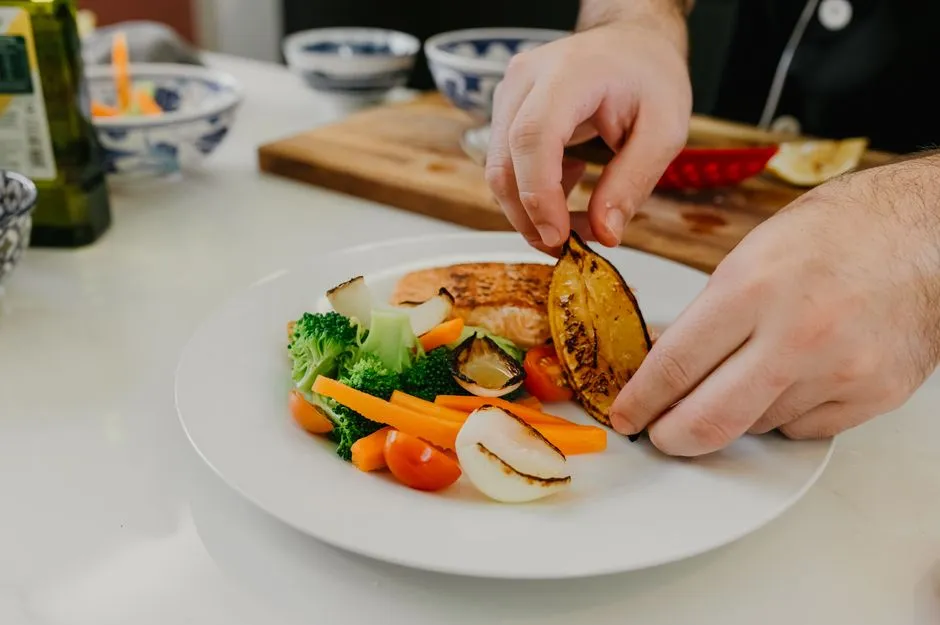
The Diabetes Plate Method Explained
The Diabetes Plate Method is a simple, visual way to create balanced meals without complicated counting. It’s an effective strategy recommended by many health organizations for managing blood sugar levels. Research from the National Institutes of Health’s National Center for Complementary and Integrative Health (NIH NCCIH) highlights the importance of nutrition interventions for type 2 diabetes Mayo Clinic. This method focuses on filling your plate with the right proportions of food groups.
The Visual Breakdown: Proteins, Vegetables, and Carbohydrates
Imagine a standard 9-inch dinner plate. Here’s how to divide it:
- Half the Plate (50%): Non-Starchy Vegetables. Fill this half with colorful options like broccoli, spinach, green beans, peppers, carrots, and tomatoes. These are low in carbohydrates and calories but packed with vitamins, minerals, and fiber.
- One Quarter of the Plate (25%): Lean Protein. Dedicate one quarter to protein sources such as chicken breast, fish, lean beef, tofu, beans, or eggs. Protein helps you feel full and has a minimal impact on blood sugar.
- One Quarter of the Plate (25%): Carbohydrate Foods. The final quarter is for carbohydrate-rich foods. This includes items like whole grains (quinoa, brown rice, whole wheat pasta), starchy vegetables (potatoes, corn, peas), and fruits.
Portion Control Made Simple
This visual guide makes portion control intuitive. By consistently filling half your plate with vegetables, a quarter with protein, and a quarter with carbohydrates, you automatically manage your intake of sugars and calories. This approach is much simpler than tracking grams or calories for every meal.
Adapting the Plate Method for Different Cuisines
The beauty of the Diabetes Plate Method is its flexibility. You can adapt it to virtually any cuisine. For example:
- Mexican: A large salad with grilled chicken or black beans (protein), lots of salsa and fajita vegetables (non-starchy vegetables), and a small portion of brown rice or corn tortillas (carbohydrates).
- Italian: A generous serving of steamed or sautéed vegetables like zucchini and bell peppers (non-starchy vegetables), a lean meatball or grilled fish (protein), and a small portion of whole wheat pasta (carbohydrates).
- Stir-fry: Load up on broccoli, snap peas, and carrots (non-starchy vegetables), add shrimp or tofu (protein), and serve with a small portion of brown rice or quinoa (carbohydrates).
Remember to also include a serving of healthy fats, such as avocado or olive oil, in moderation.
Carbohydrate Counting Strategies for Blood Sugar Control
Carbohydrate Counting Strategies for Blood Sugar Control
Managing carbohydrate intake is central to effective blood sugar control for individuals with type 2 diabetes. It’s not just about reducing carbs, but understanding their impact. Different types of carbohydrates affect blood sugar levels differently. Complex carbohydrates, like whole grains and non-starchy vegetables, generally have a less dramatic effect than refined sugars and starches. Harvard Health: Carbohydrate Quality and Diabetes Management PubMed highlights the importance of choosing high-quality carbohydrates.
Tools like the glycemic index (GI) and glycemic load (GL) can help differentiate between high-impact and low-glycemic options. Foods with a lower GI and GL are typically digested more slowly, leading to a more gradual rise in blood sugar. For practical application, many find a dedicated Carb Counting App or Glucose Monitor invaluable. These tools can help you track your intake, monitor blood glucose responses, and make informed food choices throughout the day.
Quick and Easy Meal Prep for Busy Diabetics

Finding time for healthy eating can be a challenge, especially with a busy schedule. Fortunately, a little preparation goes a long way. Here’s how to make diabetes-friendly meal plans work for you, even when time is tight.
Meal Prep Sunday: Step-by-Step 2-Hour Protocol
Dedicate two hours on a Sunday to set yourself up for the week. Start by washing and chopping vegetables. Cook a batch of whole grains like quinoa or brown rice. Prepare lean protein sources such as grilled chicken or baked fish. Portioning these components into individual servings using Diabetes Meal Prep Container Sets makes grabbing meals on the go simple. This foundational prep allows for quick assembly of balanced meals throughout the week, aligning with principles that support glycemic control Harvard Health.
No-Cook and 15-Minute Meal Ideas
For days when even minimal cooking feels like too much, opt for no-cook or 15-minute meals. Think large salads with pre-cooked protein, Greek yogurt with berries and nuts, or whole-wheat wraps filled with lean deli meat and vegetables. Overnight oats are another excellent make-ahead option.
Storage and Reheating Best Practices
Proper storage is key to maintaining food safety and quality. Ensure all prepped meals are stored in airtight containers in the refrigerator. Reheat meals thoroughly to a safe internal temperature. For dishes containing vegetables, consider steaming or light sautéing to retain nutrients and texture.
Budget-Friendly Diabetic Meal Planning
Budget-Friendly Diabetic Meal Planning
Eating well with type 2 diabetes doesn’t have to strain your finances. Planning smart can make a big difference. Focus on cheap protein sources like eggs, beans, lentils, and canned tuna. Buying these staples in bulk can lead to significant savings over time. Remember, nutrition guidelines from the WHO: Global Guidelines on Diabetes Prevention and Nutrition World Health Organization emphasize plant-based proteins as excellent choices.
Seasonal produce is generally more affordable and flavorful. Don’t overlook frozen vegetables; they are often just as nutritious as fresh but last longer and can be bought at lower prices. They are perfect for adding to stir-fries, soups, and stews, making healthy eating accessible even on a tight budget.
Here’s a sample weekly meal plan designed to stay under $50:
- Monday: Lentil soup with whole-wheat bread.
- Tuesday: Scrambled eggs with spinach and whole-wheat toast.
- Wednesday: Bean and vegetable chili.
- Thursday: Baked chicken thighs with roasted seasonal vegetables.
- Friday: Tuna salad (made with Greek yogurt) on whole-wheat crackers.
- Saturday: Leftover chili.
- Sunday: Large batch of vegetable and bean stir-fry with brown rice.
Healthy Snacking and Managing Cravings
Diabetes-Friendly Snack Options Under 15g Carbs
Snacks can be a vital part of managing blood sugar and preventing overeating at mealtimes. Opt for choices like a small apple with a tablespoon of almond butter, a handful of almonds, or Greek yogurt with a few berries. These options provide fiber and healthy fats to keep you satisfied.
Protein-Fat Combinations for Sustained Energy
Pairing protein and healthy fats is key to stable energy levels and reduced cravings. Consider hard-boiled eggs, a small portion of cheese with whole-grain crackers, or a small can of tuna. These combinations help slow digestion and prevent sharp blood sugar spikes and subsequent crashes.
Mindful Eating Strategies to Reduce Anxiety-Driven Snacking
Anxiety can often trigger cravings. Practicing mindful eating can help. Before reaching for a snack, pause and ask yourself if you are truly hungry or simply feeling stressed or bored. Try a short mindfulness exercise or a brief walk to address emotional needs before turning to food. This approach can be particularly helpful for those managing conditions like PCOS, where hormonal fluctuations can influence appetite Best Foods for PCOS Weight Loss: A Science-Backed Guide with Meal Plans.
The Mental Health Connection: Diet and Diabetes Anxiety

How Dietary Stability Reduces Diabetes-Related Anxiety
Managing type 2 diabetes can often lead to what’s known as “diabetes distress” or anxiety. A consistent, diabetes-friendly meal plan provides a sense of control and predictability, which can significantly alleviate these feelings. Knowing what and when you’ll eat reduces the daily stress of making food choices that impact blood sugar levels. This stability allows you to focus on other aspects of your health and well-being.
Food as a Mood Regulator: Serotonin-Boosting Nutrients
Certain foods play a crucial role in regulating mood by influencing neurotransmitters like serotonin. Consuming complex carbohydrates found in whole grains, fruits, and vegetables can boost serotonin production Mayo Clinic Yoga. Additionally, omega-3 fatty acids, abundant in fatty fish, and magnesium, found in leafy greens and nuts, are vital for brain health and mood regulation. These nutrients can help combat feelings of depression often associated with chronic conditions.
Breaking the Depression-Poor Diet Cycle
A cycle can form where poor dietary choices lead to worse blood sugar control and mood, which in turn makes healthy eating more difficult. Breaking this cycle involves small, sustainable changes. Focusing on nutrient-dense foods and establishing regular meal times can help improve both physical and mental health, creating a positive feedback loop. For those also managing other conditions, understanding how diet impacts symptoms is key, similar to how dietary choices can affect conditions like PCOS Best Foods for PCOS Weight Loss: A Science-Backed Guide with Meal Plans.
Sample Meal Ideas and Real-World Examples
What a Typical Day of Eating Looks Like
A typical day of eating with type 2 diabetes focuses on balanced meals that manage carbohydrate intake and promote stable blood sugar levels. This involves mindful choices throughout the day, ensuring each meal contributes to overall health goals.
Cultural Adaptations: Mediterranean, Asian, and Latin Options
Mediterranean-inspired meals might feature grilled fish with olive oil and lemon, a large Greek salad, and a small portion of whole-wheat couscous. Asian adaptations could include stir-fried lean protein (like chicken or tofu) with plenty of non-starchy vegetables (broccoli, bell peppers, snow peas) served with a small portion of brown rice. For Latin options, think of black bean soup with a side salad, lean shredded chicken with salsa and a small serving of quinoa, or grilled fish tacos on corn tortillas with avocado and pico de gallo.
Breakfast, Lunch, Dinner, and Snack Combinations
Breakfast ideas include scrambled eggs with spinach and whole-wheat toast, or Greek yogurt with berries and a sprinkle of nuts. Lunch could be a large salad with grilled chicken or chickpeas, or lentil soup with a side of whole-grain crackers. Dinner might be baked salmon with roasted asparagus and a small sweet potato, or a lean turkey chili loaded with vegetables. Snacks can be a handful of almonds, an apple with peanut butter, or a hard-boiled egg.
Getting Professional Support and Resources
When to Consult a Registered Dietitian
A registered dietitian (RD) specializing in diabetes can translate general guidelines into a plan built around your specific medications, lifestyle, and food preferences. If your blood sugar remains difficult to control despite dietary changes, or if you’ve recently been diagnosed, professional guidance is worth prioritizing. Telehealth has made this more accessible than ever — a Registered Dietitian Consultation Service connects you with credentialed diabetes dietitians from home, removing the barrier of local availability.
Diabetes Education Programs and Apps
The American Diabetes Association NIH NCCIH recognizes accredited Diabetes Self-Management Education and Support (DSMES) programs as clinically proven to improve outcomes. Many are covered by Medicare and private insurance. Paired with tracking apps that log meals and glucose trends, these programs help you spot patterns and stay accountable between appointments.
Supporting a Family Member Through Dietary Changes
Helping a loved one manage diabetes works best as a team effort. Cook meals together, learn the plate method alongside them, and avoid keeping high-sugar foods visibly accessible at home. Emotional encouragement matters as much as practical help — small, consistent support reduces the isolation many people feel. For households managing multiple health conditions, our guide on best foods for PCOS weight loss offers complementary meal-planning strategies that overlap helpfully with diabetes-friendly eating.
About the Author

Pratham Bavkar — Wellness Researcher · Founder, Yoga Therapy Guide
Pratham Bavkar is the founder of Yoga Therapy Guide and a wellness researcher focused on yoga therapy, mobility, and posture health. He creates evidence-based, beginner-friendly guides on yoga poses, stretching routines, and natural wellness practices to help readers improve daily health naturally.