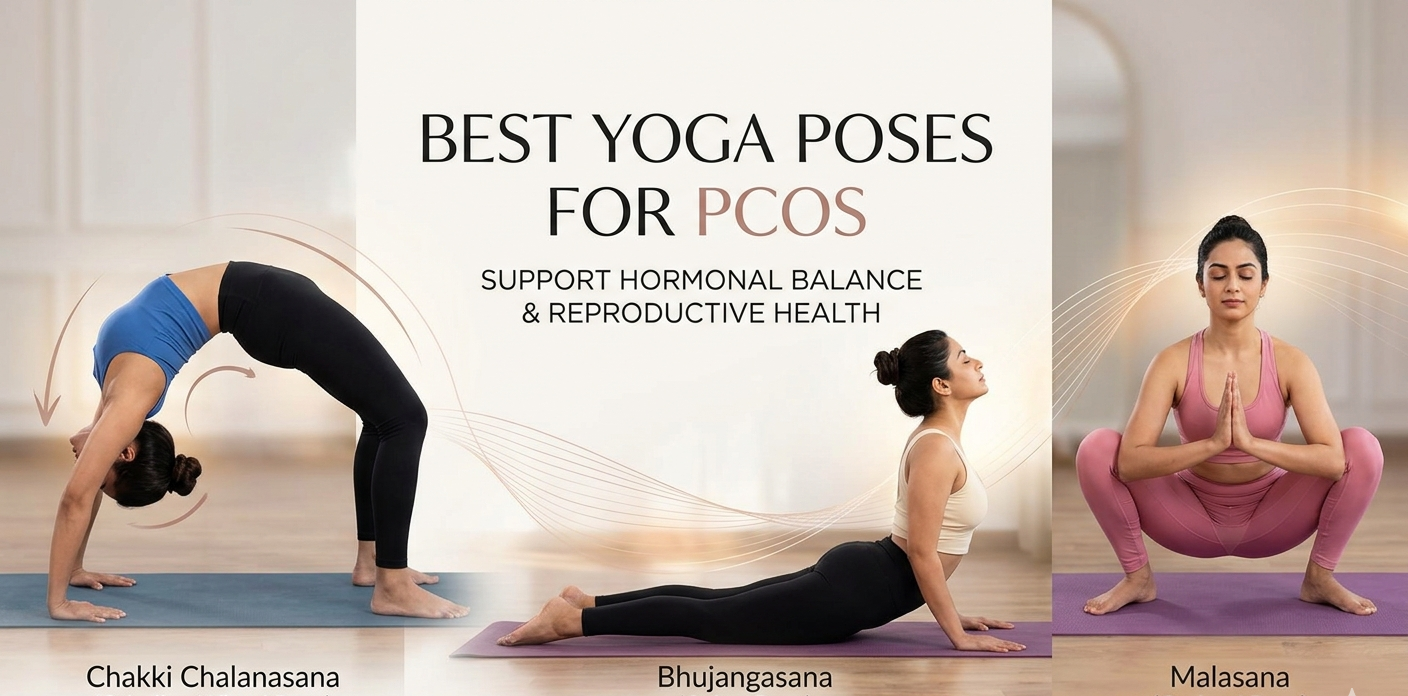
Understanding PCOS and How Yoga Helps
Polycystic ovary syndrome affects an estimated 8–13% of women of reproductive age worldwide, making it one of the most common endocrine disorders — yet it remains widely misunderstood. If you’ve been searching for the best yoga poses for PCOS, you’re already thinking in the right direction. Yoga isn’t just a stress-relief tool; emerging research suggests it targets the very hormonal and metabolic pathways that drive PCOS from the inside out.
What is PCOS and Its Impact on the Body
PCOS is a complex hormonal condition characterized by elevated androgens (male hormones), irregular or absent ovulation, and often the presence of small follicular cysts on the ovaries. Beyond reproductive health, it disrupts metabolism, insulin signaling, and the HPA (hypothalamic-pituitary-adrenal) axis — the body’s central stress-response system. This cascade contributes to weight gain, fatigue, acne, hair thinning, anxiety, and increased risk of type 2 diabetes.
The Science Behind Yoga for PCOS: Hormone Balancing and Endocrine Health
NIH NCCIH studies on yoga and PCOS Healthline demonstrate that consistent yoga practice measurably reduces luteinizing hormone (LH) levels, improves insulin sensitivity, and lowers cortisol — three critical markers in PCOS management. Yoga achieves this primarily by activating the parasympathetic nervous system, shifting the body out of chronic “fight-or-flight” mode. When cortisol drops, androgen production often follows, creating a more balanced hormonal environment. For women also managing weight-related symptoms, our guide on morning yoga for weight loss in females explores how timing and sequence amplify these metabolic benefits.
How Yoga Addresses Key PCOS Symptoms
- Insulin resistance: Dynamic poses improve glucose uptake in muscle tissue, reducing hyperinsulinemia that triggers excess androgen production.
- Chronic inflammation: Breathwork and restorative postures lower inflammatory markers like CRP and IL-6.
- Stress and anxiety: Parasympathetic activation directly calms the HPA axis, breaking the cortisol-androgen feedback loop.
- Menstrual irregularity: Improved blood flow to the pelvic region and reduced hormonal volatility support more regular cycles over time.
Best Yoga Poses for PCOS: A Symptom-Targeted Guide
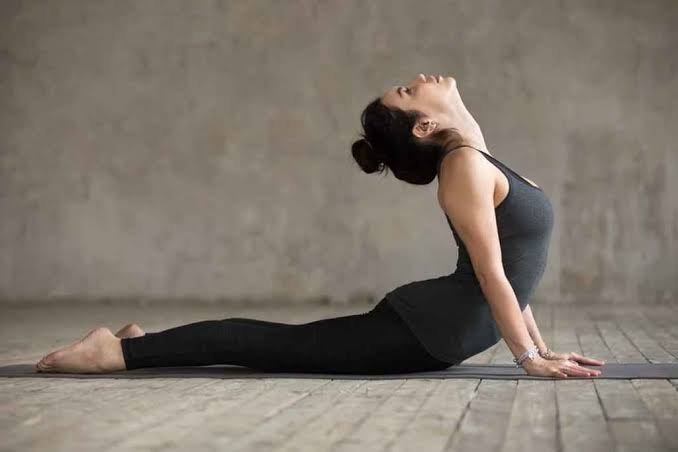
Finding the right yoga practice for PCOS means matching poses to your specific symptoms. The following eight poses are selected based on their physiological effects — from improving insulin sensitivity to calming the stress response. A quality yoga mat and props like blocks and straps make poses more accessible and safer, especially for beginners.
Poses for Hormone Balance and Insulin Sensitivity
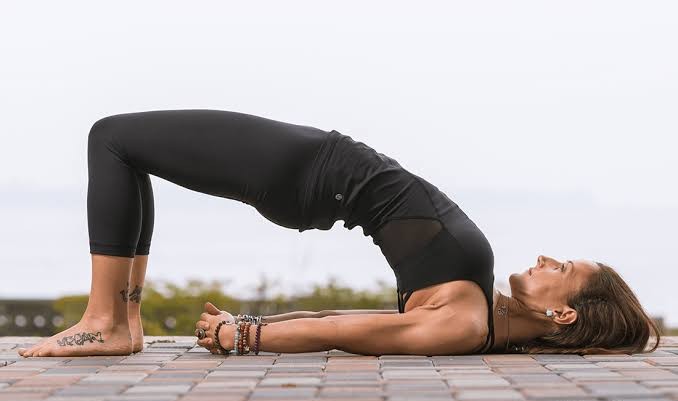
Supported Bridge Pose (Setu Bandhasana) gently stimulates the thyroid gland and activates the endocrine system while engaging large muscle groups in the glutes and thighs. This muscular activation can improve glucose uptake — an important factor since insulin resistance affects a significant proportion of people with PCOS, as noted in the Mayo Clinic PCOS overview and symptom management WebMD. Lie on your back, feet flat and hip-width apart, then lift your hips. Beginners can place a block under the sacrum for a restorative version. Contraindication: Avoid if you have a neck injury.
Seated Forward Fold (Paschimottanasana) compresses the abdominal organs, stimulating the ovaries and adrenal glands. It also calms the nervous system, which indirectly supports healthier cortisol and insulin patterns. Use a strap around your feet if hamstring tightness limits your reach.
Poses for Stress Relief and Cortisol Reduction
Child’s Pose (Balasana) is a gentle forward fold that activates the parasympathetic nervous system — your “rest and digest” mode. Elevated cortisol disrupts the hormonal cascade that regulates ovulation, so regularly downregulating stress has real reproductive implications. Hold for two to five minutes, placing a folded blanket under the knees if needed.
Legs-Up-the-Wall (Viparita Karani) is a passive inversion that encourages venous return, reduces inflammation, and signals safety to an overworked nervous system. Simply lie near a wall and extend your legs upward. It requires no flexibility and is suitable for nearly all beginners. Hold for five to fifteen minutes.
Poses for Weight Management and Metabolic Health
Warrior II (Virabhadrasana II) builds strength in the legs and core while elevating heart rate — supporting caloric expenditure and metabolic function. Boat Pose (Navasana) engages deep core muscles and challenges stability, making both excellent additions to a weight-management-focused flow. For a structured sequence that pairs well with these, see our guide on. Modification: Bend the knees in Boat Pose to reduce lower back strain.
Poses for Fertility and Menstrual Regularity
Butterfly Pose (Baddha Konasana) opens the inner groin and increases blood flow to the pelvic region, nourishing the ovaries and uterus. Sit tall, press the soles of your feet together, and allow the knees to fall outward. Use blocks under each knee if the hips are tight.
Supine Twist (Supta Matsyendrasana) massages the abdominal organs, supports lymphatic circulation, and relieves the lower back tension that often accompanies hormonal fluctuations. Lie on your back, draw one knee to your chest, and guide it across the body. Contraindication: Avoid deep twists during heavy menstrual flow or if you have acute abdominal pain. Always consult your healthcare provider before beginning a new exercise practice, particularly if your PCOS is being managed medically.
The Role of Breathwork (Pranayama) in PCOS Management
Breathwork — or pranayama — is often overlooked in PCOS management, yet it directly targets one of the condition’s core drivers: chronic stress. While yoga poses work through movement and physical stimulation, pranayama works through the nervous system, shifting the body from a sympathetic “fight-or-flight” state into a parasympathetic “rest-and-digest” state where hormonal regulation becomes possible.
How Pranayama Reduces Stress and Balances Cortisol
Elevated cortisol disrupts the delicate hormonal cascade governing ovulation and androgen production. Harvard Health on yoga and hormonal health NIH NCCIH highlights how controlled breathing practices can measurably reduce cortisol and systemic inflammation — two factors directly implicated in PCOS symptom severity. By slowing the breath, you activate the vagus nerve, which signals the adrenal glands to ease cortisol output.
Beginner-Friendly Breathing Techniques for PCOS
- Nadi Shodhana (Alternate Nostril Breathing): Balances the nervous system, reduces anxiety, and supports hormonal equilibrium. Alternate five slow breaths through each nostril for 5–10 minutes daily.
- Ujjayi (Ocean Breath): Creates a gentle internal heat while calming the mind. Its slow, rhythmic pattern lowers heart rate and reduces inflammatory markers over time.
Pairing these techniques with movement amplifies results. If you’re exploring a broader hormonal wellness routine, our guide on shows how to structure a full practice around hormonal health goals.
Creating Your Personalized PCOS Yoga Routine
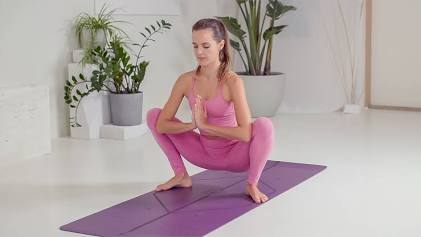
No two people experience PCOS the same way. Someone managing fatigue and insulin resistance needs a very different practice than someone dealing primarily with anxiety or irregular cycles. Matching your yoga style to your current symptoms — not a generic routine — is what makes the difference between feeling drained after practice and genuinely better.
Choosing the Right Yoga Style for Your Symptoms
Healthline PCOS guides and yoga benefits Mayo Clinic consistently highlight that exercise intensity matters as much as type when managing hormonal conditions. As a general framework:
- Restorative yoga — best for high-stress phases, adrenal fatigue, or flare-ups. Prioritizes nervous system regulation over movement.
- Yin yoga — ideal for improving circulation, reducing pelvic tension, and supporting liver function. Slow, held poses (3–5 minutes) work connective tissue deeply.
- Gentle vinyasa — suited for stable energy days when you want to build strength, improve insulin sensitivity, and boost mood without spiking cortisol.
If your energy fluctuates week to week — which is common with PCOS — rotating between these styles rather than committing to one is often the smarter approach. Pairing morning movement with your cycle phase can also amplify results; our guide on explains how to align practice with hormonal rhythms.
Building a Progressive Practice: Beginner to Intermediate
Start with three sessions per week, 20–25 minutes each. Beginners should focus on restorative and yin poses for the first two to four weeks, building body awareness before adding flow sequences. Intermediate practitioners can introduce gentle vinyasa on higher-energy days while keeping at least one restorative session weekly to protect cortisol balance.
Sample Weekly Sequences by PCOS Symptom Profile
- High stress / adrenal fatigue: Monday — 20-min restorative (Legs-Up-the-Wall, Supported Bridge, Child’s Pose); Wednesday — 20-min yin (Butterfly, Reclined Twist); Friday — 15-min breathwork only.
- Insulin resistance / weight management: Monday — 25-min gentle vinyasa (Sun Salutations, Warrior II, Chair Pose); Thursday — 25-min vinyasa; Saturday — 20-min yin recovery.
- Irregular cycles / hormone imbalance: Alternate yin and restorative sessions four times weekly, emphasizing hip openers and inversions.
To take these routines offline and track your consistency, download our free printable PCOS yoga sequences — covering beginner, intermediate, and symptom-specific schedules designed to fit into a real, busy life.
Integrating Yoga with Other PCOS Management Strategies
Yoga is a powerful tool for PCOS symptom management, but it works best as part of a broader, medically supervised plan. According to WebMD PCOS treatment and lifestyle approaches PubMed, effective PCOS management typically combines exercise, nutrition, stress reduction, and — when appropriate — medical intervention. No single strategy, including yoga, should be viewed as a standalone cure.
Yoga + Nutrition: Synergistic Approaches
Pairing a consistent yoga practice with an anti-inflammatory, low-glycemic diet can amplify hormonal benefits. Reducing refined carbohydrates helps stabilize insulin levels, while yoga supports cortisol regulation — together addressing two of PCOS’s core drivers. If weight management is a concern, our guide on yoga for belly fat explores complementary core-strengthening strategies.
Yoga + Sleep Optimization for Hormonal Health
Poor sleep disrupts cortisol, insulin, and reproductive hormones — all already dysregulated in PCOS. Incorporating restorative yoga poses before bed can support deeper, more consistent sleep, creating a positive hormonal feedback loop over time.
When to Combine Yoga with Medical Treatment
Some women with PCOS require medication such as metformin or hormonal contraceptives. Yoga complements these treatments by reducing stress-related symptom flares and supporting metabolic health. Always discuss any new exercise or lifestyle changes with your gynecologist or endocrinologist before beginning.
Yoga for PCOS Mindset: Mental Health and Emotional Wellness

Living with PCOS often brings a significant emotional and mental health burden. Many individuals experience heightened anxiety, depressive symptoms, and challenges with body image due to hormonal imbalances and the chronic nature of the condition. Yoga’s unique mind-body connection offers a powerful avenue for psychological relief, complementing its physical benefits.
Addressing Anxiety and Depression Associated with PCOS
The physical practice of yoga, combined with focused breathing techniques, can significantly alleviate symptoms of anxiety and depression. Gentle movements and holding poses can release physical tension, while the meditative aspect helps quiet racing thoughts. Peer-reviewed studies on pranayama and cortisol reduction Harvard Health highlight yoga’s effectiveness in managing stress hormones, which are often dysregulated in PCOS and contribute to mood disturbances.
Mindfulness Practices to Support PCOS Emotional Health
Incorporating mindfulness into your yoga practice, such as paying attention to bodily sensations or observing thoughts without judgment, can foster greater self-acceptance and improve body image. This non-judgmental awareness is crucial for navigating the emotional ups and downs that can accompany PCOS. For those looking to integrate movement with emotional well-being, exploring practices like morning yoga for weight loss in females can be beneficial, as it often emphasizes mindful movement and positive self-talk.
Frequently Asked Questions (FAQs)
Frequently Asked Questions (FAQs)
Can yoga truly balance hormones for PCOS? Yes, studies suggest yoga can positively influence hormones like cortisol and insulin, which are often dysregulated in PCOS Healthline. Its stress-reducing effects are key to this hormonal balancing.
Is yoga enough to manage PCOS symptoms on its own? While yoga offers significant benefits, it’s most effective as part of a comprehensive PCOS management plan. This often includes dietary changes, stress management, and medical guidance.
Does yoga help with PCOS-related weight loss? Absolutely. Regular yoga practice can contribute to weight management by increasing metabolism, reducing stress-related eating, and improving body composition. For targeted routines, explore our guide on.
Can yoga improve fertility in PCOS? By reducing stress and improving hormonal balance, yoga can create a more favorable environment for fertility. However, it’s not a direct fertility treatment and should be discussed with a healthcare provider.
When is the best time to practice yoga for PCOS? Consistency is more important than timing. Many find morning yoga beneficial for energy and metabolism, as discussed in. Listen to your body and choose a time that fits your schedule.
Key Takeaways and Next Steps
Summary of PCOS Yoga Benefits
Yoga offers a genuinely powerful, evidence-supported tool for managing PCOS. A consistent practice can help regulate cortisol and insulin levels, support hormonal balance, ease menstrual irregularity, reduce inflammation, and improve mood and sleep quality. Poses targeting the pelvic region, combined with mindful breathwork, create a whole-body approach that no single medication can fully replicate. The best yoga poses for PCOS work not by forcing change, but by gently restoring the conditions your body needs to function well.
How to Get Started Safely
Begin with two to three sessions per week, focusing on restorative and gentle poses before progressing to more dynamic sequences. Listen to your body, especially around your cycle. If you’d like structured guidance, a dedicated platform offering PCOS-specific yoga classes can provide personalized routine adjustments and expert instruction — a helpful option as you build confidence. For those also managing weight concerns alongside hormonal health, our guide on morning yoga for weight loss in females pairs naturally with this approach. Small, consistent steps create lasting change.