Introduction: Why Yoga Is a Powerful Tool for Stress Relief
Stress has become so normalized in modern life that many people assume feeling overwhelmed is simply the price of staying productive. But chronic stress quietly damages your cardiovascular system, disrupts sleep, and accelerates burnout — and most quick fixes barely scratch the surface. Yoga is different. The best yoga poses for stress relief don’t just help you feel calmer in the moment; they actively retrain your nervous system to handle pressure more effectively over time.
The Science Behind Yoga and Stress Reduction
The Mayo Clinic Mayo Clinic Yoga highlights yoga’s ability to reduce the stress hormone cortisol while activating the parasympathetic nervous system — your body’s built-in “rest and digest” response. This isn’t relaxation through distraction; it’s measurable, physiological change triggered by breath, movement, and focused attention working together.
How Yoga Differs From Other Stress Management Techniques
Unlike medication or passive relaxation, yoga builds a lasting stress-resilience toolkit. It combines mindful breathwork, physical movement, and mental focus simultaneously — addressing stress on three levels at once. If you’re managing a condition where chronic stress plays a compounding role, our guide on how yoga helps manage chronic diseases shows just how far-reaching these benefits can be.
Best Yoga Poses for Stress Relief: Active vs. Passive Approaches
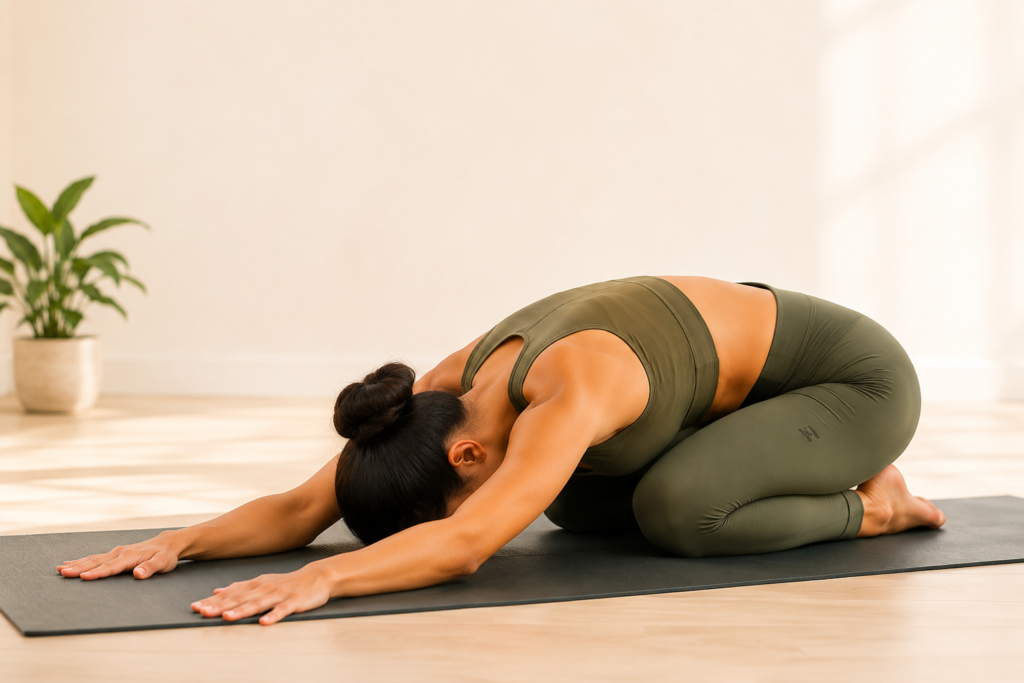
Yoga offers a spectrum of approaches to stress relief, broadly categorized as active and passive. Active poses often involve movement and deeper engagement, promoting emotional release and energy flow, while passive poses emphasize stillness and deep relaxation, allowing the nervous system to reset. A balanced practice incorporates both.
Active Stress-Release Poses
These poses help to shake off tension and encourage emotional release.
- Forward Folds (e.g., Uttanasana – Standing Forward Bend): Folding forward allows for introspection and can calm the nervous system. Inhale to lengthen the spine, exhale to release into the fold. Beginners can bend their knees generously.
- Twists (e.g., Ardha Matsyendrasana – Half Lord of the Fishes Pose): Spinal twists are excellent for detoxification and releasing stored tension. Focus on a gentle rotation from the belly, not forcing the twist from the neck.
- Hip Openers (e.g., Baddha Konasana – Bound Angle Pose): Tight hips often hold stress. This pose gently opens the hips and groin, promoting a sense of release. Keep the spine long and soften the shoulders.
Passive Restorative Poses
These poses are designed for deep rest and nervous system regulation.
- Child’s Pose (Balasana): A deeply grounding pose that encourages surrender. Rest the forehead on the mat or a block. Knees can be together or wide.
- Supported Shoulder Stand (Salamba Sarvangasana) – Modified: While a full shoulder stand can be intense, a supported version with a bolster under the shoulders and blocks under the hips can be very calming. This inversion can help to calm the mind.
- Legs-Up-Wall Pose (Viparita Karani): This gentle inversion is incredibly restorative. Sit with your side against a wall, then swing your legs up the wall as you lie back. Props like bolsters and blocks deepen relaxation in restorative poses.
Transitional Poses for Balanced Practice
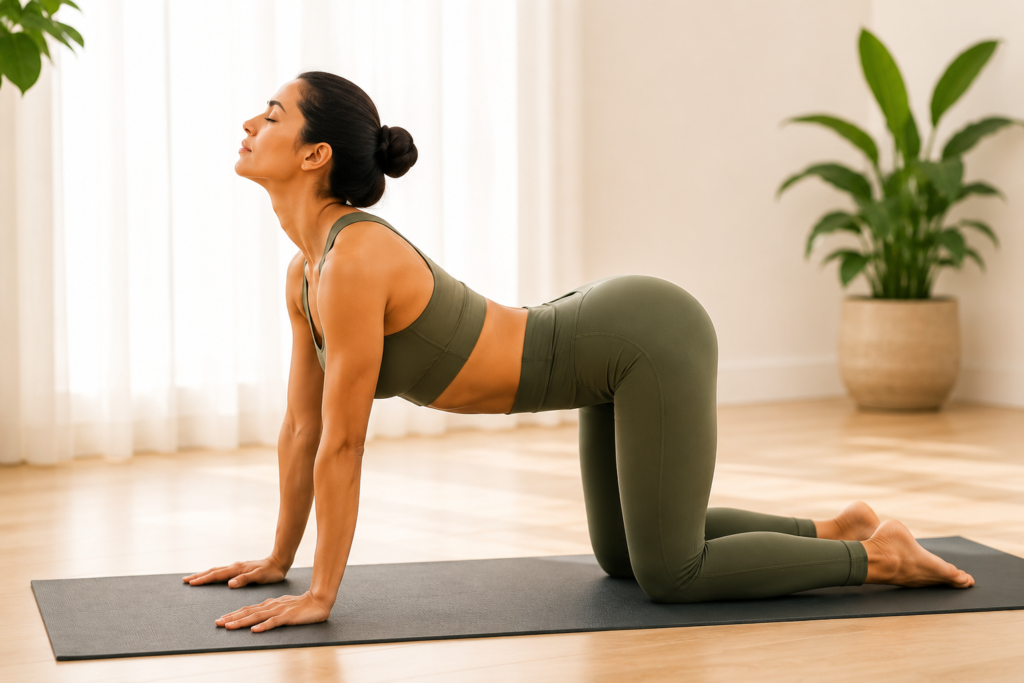
Poses like Cat-Cow (Marjaryasana-Bitilasana) are excellent for linking breath with movement, easing spinal stiffness, and finding a rhythm that can be both energizing and calming. They serve as a bridge between more active and passive states.
It’s important to remember that yoga is not about achieving a specific aesthetic form, but rather about finding what feels good and beneficial in your own body. As WebMD notes, different yoga styles offer various mental health applications WebMD, so explore what resonates with you. For those with limited mobility, modifications are key; consider exploring resources on chair yoga for seniors for adaptable options.
Quick 5–10 Minute Stress Relief Sequences
The Express Anxiety-Busting Sequence (5 minutes)
When stress hits hard and fast, this quick sequence can offer immediate relief. Start with Child’s Pose for 1 minute, allowing your forehead to rest. Transition to Cat-Cow Pose for 2 minutes, flowing with your breath to release spinal tension. Finish with 30 seconds each of Downward-Facing Dog and a simple seated Forward Fold. This sequence helps ground you and release physical tension associated with anxiety. Many apps offer guided stress-relief sequences if you prefer voice guidance.
The Deep Relaxation Sequence (10 minutes)
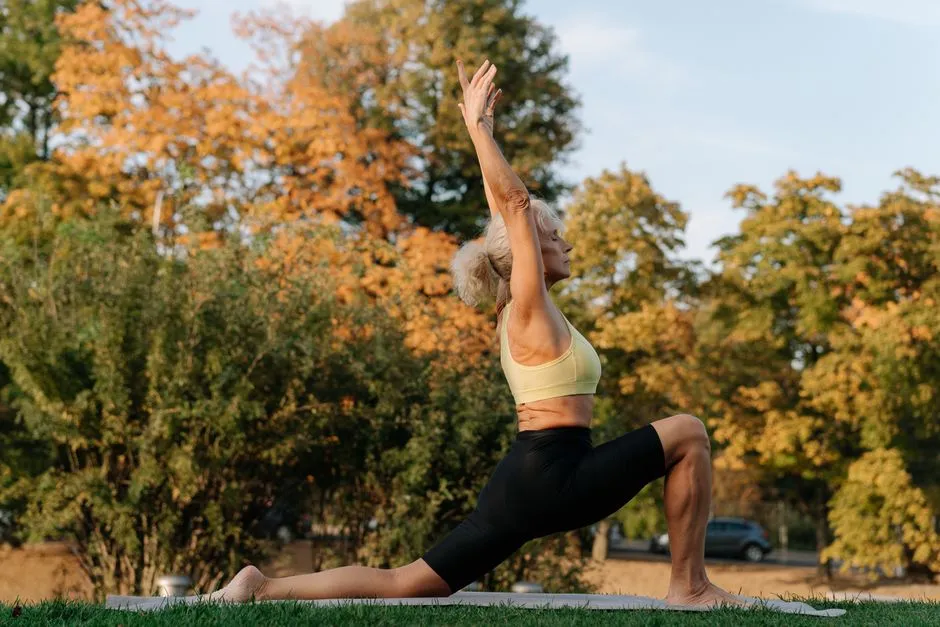
For a more profound sense of calm, try this longer routine. Begin with 2 minutes of gentle Seated Twists to detoxify and energize. Move into 3 minutes of Low Lunge (Anjaneyasana) on each side, focusing on hip flexor release. Follow with 2 minutes of Legs-Up-the-Wall Pose (Viparita Karani) to calm the nervous system. Conclude with 2 minutes of Corpse Pose (Savasana) for full integration and relaxation. Clinical research on yoga and anxiety management by the NIH NCCIH highlights the effectiveness of these restorative poses Harvard Health.
How to Customize Sequences to Your Needs
The best sequence is one that resonates with you. If certain poses feel uncomfortable, substitute them with alternatives. For instance, if Downward-Facing Dog is too intense, a gentle Standing Forward Fold or even a seated variation can be beneficial. Listen to your body and adjust the duration of each pose as needed. For those with mobility concerns, adapting poses for seated positions, as detailed in our guide on chair yoga for seniors, can be very effective.
Comparing Yoga Styles for Stress Management
Hatha Yoga: Balanced Strength and Calm
Often considered a good starting point, Hatha yoga blends postures (asanas) with breath control (pranayama). It focuses on building foundational strength and flexibility while promoting a sense of inner peace. The deliberate pace allows for mindful engagement with each pose, making it effective for general stress reduction.
Restorative Yoga: Deep Parasympathetic Activation
This gentle style uses props like bolsters and blankets to fully support the body in passive poses held for extended periods. Restorative yoga is designed to trigger the body’s relaxation response, the parasympathetic nervous system, which counteracts the effects of chronic stress. This approach is particularly beneficial for those experiencing burnout or feeling overwhelmed.
Yin Yoga: Long-Hold Connective Tissue Release
Yin yoga targets deeper connective tissues, such as ligaments and fascia, through long-held, passive floor poses. While challenging due to the duration of the holds, it encourages introspection and a profound sense of release. The practice can be highly effective for releasing stored tension and cultivating mental stillness.
Which Style Is Right for You?
The best yoga style for stress relief is highly individual. Consider your personality and the type of stress you experience. For a balanced approach, Hatha is excellent. If you need deep relaxation and recovery, Restorative yoga is ideal. For those seeking to release deeply held tension, Yin yoga offers a path. Healthline notes that physiological mechanisms of stress relief are activated through both asana and pranayama Healthline. Ultimately, experimenting with different styles is key to finding what resonates most with your needs.
Breathing Techniques (Pranayama) to Amplify Stress Relief
While yoga poses (asanas) are excellent for stress relief, integrating specific breathing techniques, known as pranayama, can significantly amplify their calming effects. These practices work directly on the nervous system to promote relaxation. For those with limited mobility, exploring chair yoga for seniors can still incorporate these powerful breathing exercises.
Box Breathing (Sama Vritti) for Immediate Calm
This technique involves equalizing the length of your inhale, hold, exhale, and hold. Inhale for a count of four, hold for four, exhale for four, and hold for four. Repeat. Box breathing activates the parasympathetic nervous system, signaling the body to rest and digest, thereby reducing immediate feelings of stress.
Extended Exhale (Dirga Rechaka) for Nervous System Reset
Focus on making your exhale longer than your inhale. For instance, inhale for a count of four and exhale for a count of six or eight. This lengthens the exhale, which is a direct signal to your vagus nerve to calm the body and slow your heart rate, effectively resetting the nervous system from a state of stress.
Alternate Nostril Breathing (Nadi Shodhana) for Balance
Using your right thumb to close your right nostril, inhale through your left. Then, close your left nostril with your ring finger, release your thumb, and exhale through your right. Inhale through the right, close it, and exhale through the left. This rhythmic breathing is believed to balance the left and right hemispheres of the brain, promoting mental clarity and emotional equilibrium.
Mental and Emotional Benefits Beyond Physical Relaxation
Stress Hormone Reduction (Cortisol and Adrenaline)
The benefits of the best yoga poses for stress relief extend well beyond loosening tight muscles. Research supported by the National Institutes of Health’s National Center for Complementary and Integrative Health Verywell Health indicates that regular yoga practice measurably lowers cortisol and adrenaline levels — the primary hormones driving the body’s stress response. By activating the parasympathetic nervous system, yoga essentially signals your brain that the threat has passed, allowing hormone levels to normalize.
Mood Enhancement and Emotional Regulation
Yoga also raises GABA levels in the brain, a neurotransmitter associated with reduced anxiety and improved mood. This neurochemical shift helps practitioners respond to emotional triggers with greater composure rather than reactivity — a benefit that medications alone often cannot fully replicate.
Building Resilience and Mental Clarity
Consistent practice rewires stress response patterns over time, building genuine psychological resilience. For those managing chronic conditions where stress compounds symptoms, this matters significantly — explore how yoga helps manage chronic diseases for a broader perspective.
User Testimonials: Real-World Stress Relief Stories
- “After six weeks of evening yoga, my anxiety felt genuinely manageable for the first time in years.” — Marketing professional, age 34
- “My therapist recommended yoga alongside counseling. The combination changed everything.” — Teacher, age 41
Tips for Building a Sustainable Stress-Relief Yoga Practice
Starting as a Beginner: Common Barriers and Solutions
Many people avoid yoga because they believe they need to be flexible, thin, or already calm to begin. None of that is true. Yoga meets you where you are. If getting down to the floor feels challenging, modifications exist for every pose — and our guide on chair yoga for seniors shows how accessible yoga can genuinely be for all body types and mobility levels. A quality, non-slip yoga mat can also improve stability and confidence from your very first session.
Creating Your Personalized Routine
There is no single “correct” stress-relief sequence. Experiment with timing — some people find morning practice sets a calm tone for the day, while others use evening yoga to decompress. Start with just two or three poses you genuinely enjoy, then build gradually as comfort grows.
Consistency Over Perfection: Building Habit
A five-minute practice done regularly outperforms an hour-long session attempted once a week. Anchor your practice to an existing habit — after brushing your teeth, before bed — to reduce friction and build lasting routine.
When to Seek Professional Guidance
If you experience persistent anxiety, depression, or physical pain during practice, consult a qualified healthcare provider or certified yoga therapist. Yoga is a powerful complement to professional care, not a replacement for it.
Conclusion: Your Path to Stress-Free Living Through Yoga
Key Takeaways
The best yoga poses for stress relief work because they are grounded in real physiology — activating the parasympathetic nervous system, lowering cortisol, and quieting the mind’s stress response. From gentle forward folds and restorative inversions to breath-focused pranayama, you now have a complete, science-backed toolkit for managing stress at any intensity level. Consistency matters more than perfection: even five minutes of intentional movement and breathwork creates measurable calm.
Next Steps
Start today — not tomorrow. Choose one sequence from this guide, roll out your mat, and commit to just one week of daily practice. Notice how your body and mind respond. If stress is affecting your wider health, explore how yoga helps manage chronic diseases for deeper, long-term strategies. Small, steady steps build the sustainable habit that transforms stress relief from a temporary fix into a permanent way of living.
About the Author

Pratham Bavkar — Wellness Researcher · Founder, Yoga Therapy Guide
Pratham Bavkar is the founder of Yoga Therapy Guide and a wellness researcher focused on yoga therapy, mobility, and posture health. He creates evidence-based, beginner-friendly guides on yoga poses, stretching routines, and natural wellness practices to help readers improve daily health naturally.