
What Is Chair Yoga for Seniors?
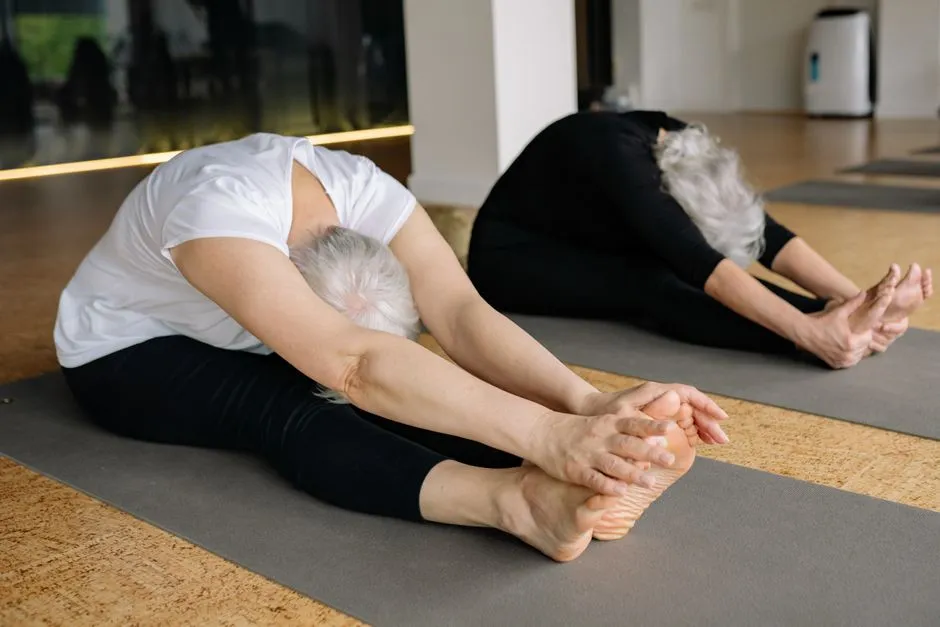
Chair yoga is a fully adapted form of traditional yoga practiced while seated in a chair or using one for standing support. It preserves the essential elements of yoga — mindful breathing, intentional movement, and body awareness — while removing the barriers that prevent many older adults from practicing on a floor mat. Far from being a lesser version of yoga, it is a thoughtfully modified discipline designed to meet the body where it is.
Definition and Core Principles
At its core, chair yoga follows the same principles as any yoga practice: breath-movement coordination, progressive flexibility, strength building, and mental focus. NIH NCCIH studies on yoga for aging and mobility NIH NCCIH confirm that these principles deliver measurable benefits — improved balance, reduced joint pain, and better psychological well-being — even when practiced entirely from a seated position.
How Chair Yoga Differs from Traditional Yoga
Traditional yoga requires kneeling, lying down, and transitioning between floor-based postures — movements that can be difficult or unsafe for seniors with arthritis, osteoporosis, or limited mobility. Chair yoga replaces those transitions with stable, seated alternatives that protect vulnerable joints without sacrificing range of motion or therapeutic value. If you’re exploring how yoga can address specific physical concerns, our guide on yoga for lower back pain shows how targeted modifications make a real difference. The chair becomes a tool, not a crutch.
Key Benefits of Chair Yoga for Seniors
Physical Health Benefits
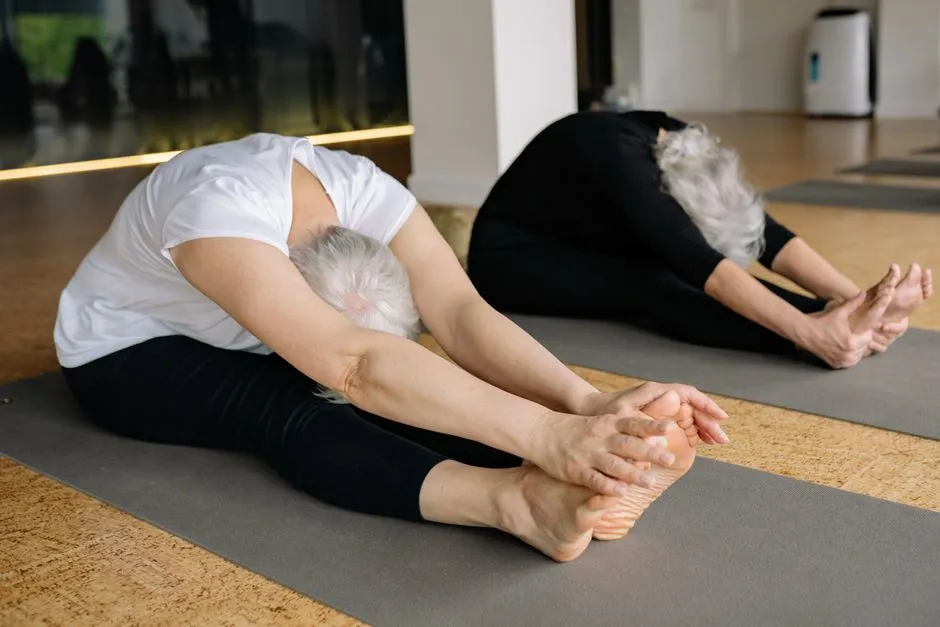
Chair yoga offers a gentle yet effective way for seniors to maintain and improve their physical health. Poses performed while seated or using a chair for support can enhance flexibility, strengthen muscles, and improve balance, all crucial for preventing falls. This practice can also aid in managing chronic conditions such as arthritis and osteoporosis by promoting joint mobility and reducing stiffness. Furthermore, chair yoga can contribute to better cardiovascular health and circulation. The Mayo Clinic guidelines on chair yoga and fall prevention Mayo Clinic highlight its role in building strength and stability safely.
Mental and Emotional Well-Being
Beyond the physical advantages, chair yoga significantly benefits the mind and spirit. The focus on breathwork and mindful movement helps reduce stress, anxiety, and symptoms of depression. Regular practice can improve mood, enhance cognitive function, and promote a sense of calm and well-being. This mental clarity is invaluable for seniors navigating the challenges of aging.
Independence and Active Aging
A key benefit of chair yoga for seniors is its ability to foster independence. By maintaining physical strength and balance, seniors are better equipped to perform daily activities, reducing reliance on others. This empowerment is vital for self-esteem and overall quality of life. Chair yoga supports an active aging lifestyle, encouraging seniors to stay engaged and capable, which is fundamental to enjoying their later years fully.
Social Connection and Community
Participating in chair yoga classes, whether in person or online, provides valuable opportunities for social interaction. Group settings combat isolation and loneliness, common issues among older adults. Sharing the experience of movement and mindfulness with peers builds a sense of community and belonging. These connections are as important for well-being as the physical and mental benefits derived from the practice itself.
Safety Precautions and Health Considerations
Safety should always come first in any movement practice, especially for older adults managing chronic conditions or recovering from injury. The good news is that chair yoga is among the gentlest forms of exercise available — but “gentle” doesn’t mean “risk-free.” Taking a few simple precautions helps ensure every session is both effective and safe.
Pre-Practice Health Screening
Before starting chair yoga, speak with your doctor or physical therapist, particularly if you have cardiovascular disease, osteoporosis, recent surgery, or uncontrolled blood pressure. Harvard Health research on yoga benefits for seniors PubMed supports yoga as a low-risk activity for older adults, but individual health conditions vary significantly. Always disclose your full medical history to any instructor leading group classes.
Common Contraindications and Modifications
- Arthritis: Avoid forcing joints into their full range of motion. Move slowly and stop at the point of mild resistance, never sharp pain.
- Balance disorders: Keep both feet flat on the floor throughout every pose. Avoid any lateral leaning without holding the chair’s armrest.
- Limited mobility: Use folded blankets or firm cushions for additional support. Reduce the depth of any forward fold or twist.
- Osteoporosis: Skip deep forward bends and spinal twists unless specifically cleared by your physician.
For seated modifications that translate well to chair practice, our guide on yoga for lower back pain offers helpful adaptations for sensitive spines.
Preventing Pain and Discomfort During Practice
Choose a sturdy, armless or lightly armed chair that sits flat on the floor without wheels. Wear comfortable, non-slip footwear or practice barefoot on a non-skid surface. Never push through sharp, stabbing, or radiating pain — this is your body’s signal to stop immediately. Mild muscle fatigue is normal; joint pain is not. Rest between poses as needed, and keep sessions to 15–20 minutes when first beginning.
Types of Chair Yoga: Choosing the Right Style
Gentle Chair Yoga
Gentle chair yoga is perfect for beginners or those with limited mobility. It focuses on slow, mindful movements, deep breathing, and relaxation. Poses are typically held for shorter durations, and modifications are readily available to suit individual needs. This style emphasizes building body awareness and improving circulation without strenuous effort.
Restorative Chair Yoga
Restorative chair yoga uses props like blankets and bolsters to support the body in gentle poses, allowing for deep relaxation and stress reduction. The focus here is on passive stretching and releasing tension. Poses are held for longer periods, often several minutes, promoting a sense of calm and well-being. This style is excellent for managing anxiety and improving sleep quality.
Therapeutic Chair Yoga
Therapeutic chair yoga is often tailored to address specific physical or health conditions, such as chronic pain or recovery from injury. It draws on principles from physical therapy and yoga to create sequences that promote healing and improve function. For instance, it can be beneficial for those experiencing yoga for lower back pain. Always consult with a healthcare professional before starting therapeutic chair yoga, especially if you have underlying health issues. Cleveland Clinic resources on safe exercise for older adults Harvard Health highlight the importance of individualized approaches.
How to Select Your Style
Choosing the right style depends on your personal goals and current fitness level. If you’re new to yoga or have significant physical limitations, start with gentle chair yoga. For stress relief and deep relaxation, restorative chair yoga is an excellent choice. If you are managing a specific health condition, therapeutic chair yoga, under the guidance of a qualified instructor and healthcare provider, may be most beneficial.
Essential Equipment and Setup
Choosing the Right Chair
The most crucial piece of equipment is, of course, the chair itself. Opt for a sturdy chair with a firm, flat seat and a backrest that provides good support. Avoid chairs with wheels, swivel bases, or armrests that might interfere with movement. A standard dining chair or a firm kitchen chair often works well. Ensure the seat height allows your feet to rest flat on the floor with your knees bent at roughly a 90-degree angle.
Optional Props and Accessories
While not strictly necessary, a few props can enhance your chair yoga experience. A yoga mat can provide cushioning for your feet and prevent slipping, especially if practicing on a hard floor. Yoga blocks and straps can be incredibly helpful for modifying poses, deepening stretches safely, and improving alignment, particularly for those with limited flexibility or recovering from injuries. These props can make poses more accessible and beneficial, as suggested by PubMed peer-reviewed studies on yoga therapy and arthritis Mayo Clinic Yoga.
Creating a Safe Practice Space
Designate a clear, uncluttered area for your practice. Ensure there’s enough space around your chair to move your arms and legs freely without bumping into furniture or other objects. Good lighting and ventilation are also important for a comfortable and safe session. Minimize distractions by turning off the television or putting your phone on silent. A calm environment will help you focus on your breath and movements, contributing to a more therapeutic experience.
Best Chair Yoga Poses for Seniors: Step-by-Step Guide
Seated Neck Rolls and Shoulder Stretches
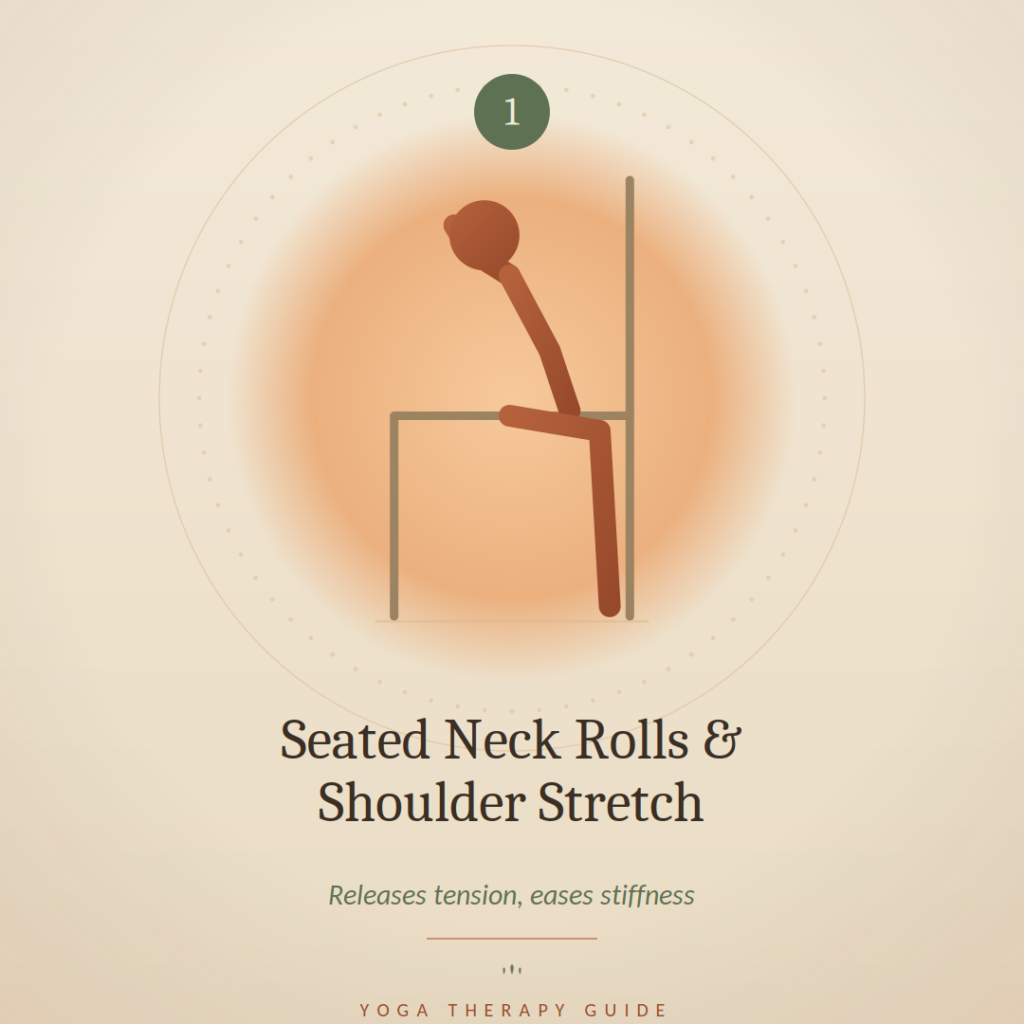 Gentle movements in the neck and shoulders can release a surprising amount of tension. Start by sitting tall in your chair, feet flat on the floor. Slowly drop your right ear towards your right shoulder, feeling a stretch on the left side of your neck. Hold for a few breaths, then gently return to center. Repeat on the left side. Next, carefully roll your neck in a half-circle from right shoulder to left shoulder, avoiding a full circle if it causes discomfort. For shoulder stretches, interlace your fingers in front of you and gently round your upper back, stretching the muscles between your shoulder blades. Then, bring your hands behind your head and gently broaden your chest, opening the shoulders.
Seated Spinal Twists
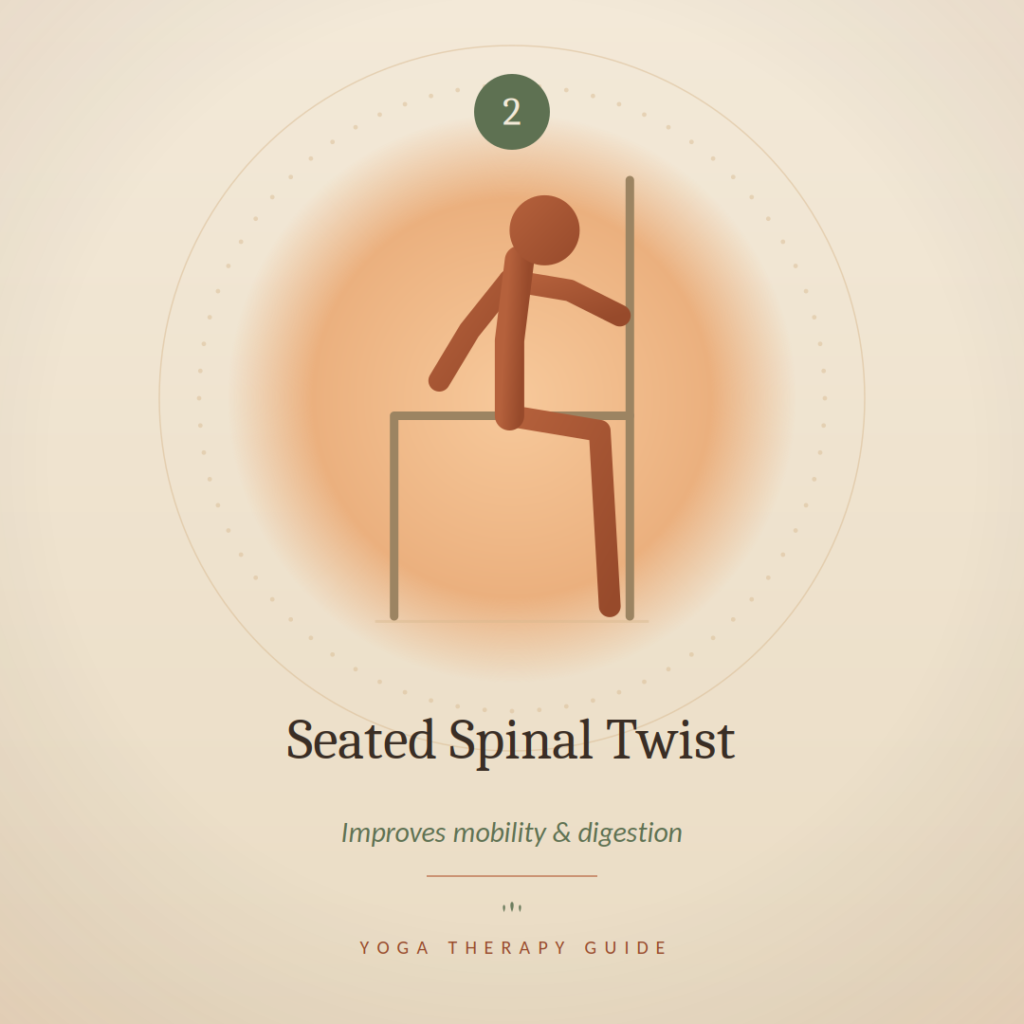 Twists are excellent for spinal mobility and digestion. Sit upright with your feet flat. Place your right hand on the outside of your left knee and your left hand on the chair behind you. Inhale to lengthen your spine, and exhale to gently twist your torso to the left. Keep your hips facing forward. Gaze over your left shoulder if comfortable for your neck. Hold for 5-10 breaths, then slowly unwind. Repeat on the other side.
Chair-Based Balance Poses
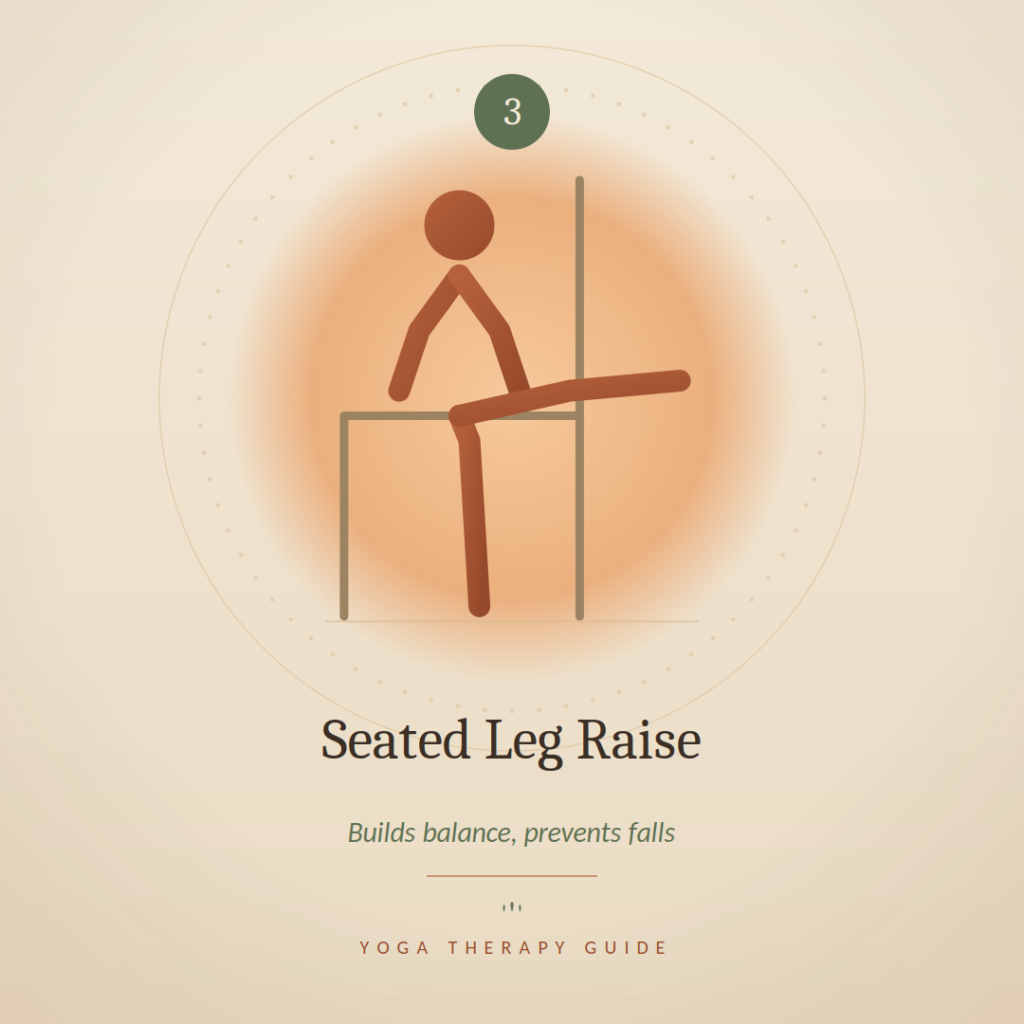
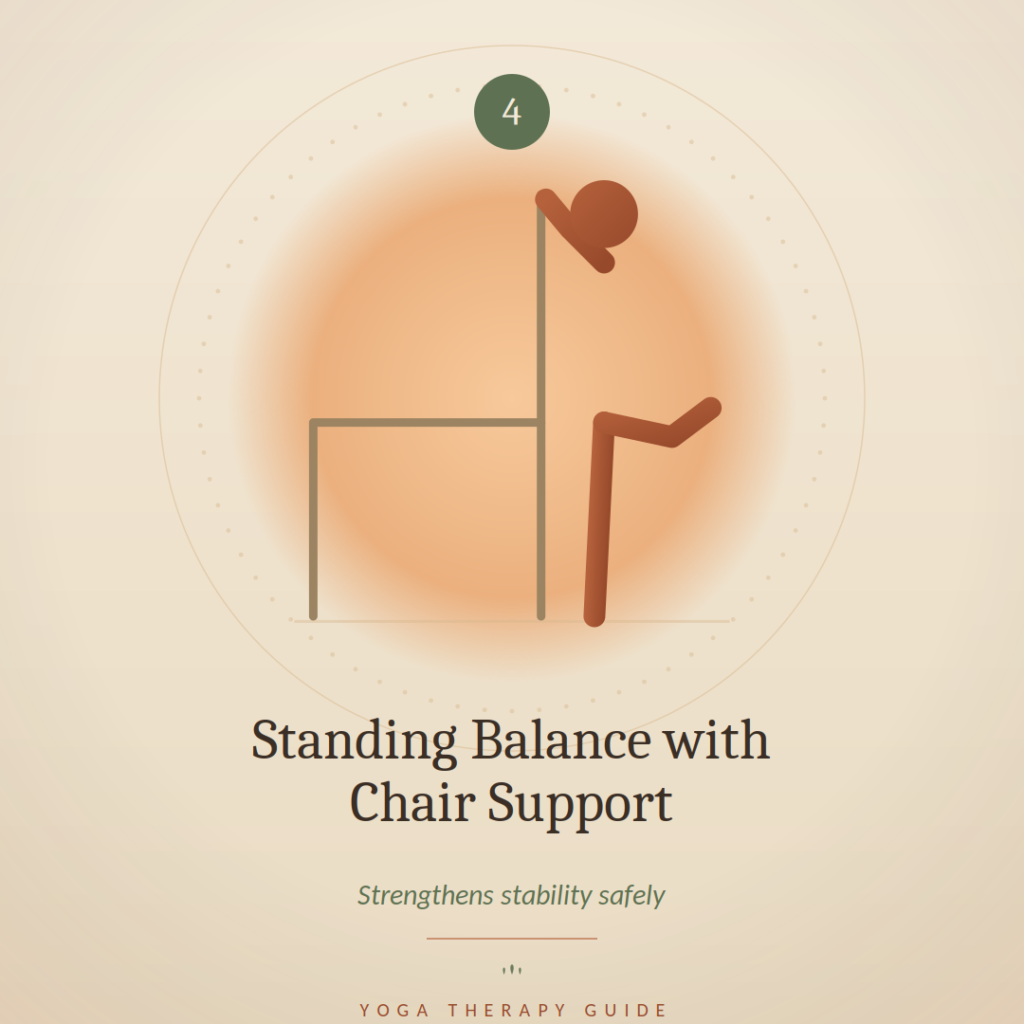 Chair yoga can significantly improve balance, reducing the risk of falls. A simple exercise is the Seated Leg Raise. Sit tall and lift one foot a few inches off the floor, engaging your thigh muscles. Hold for 10-30 seconds, then lower and repeat with the other leg. For a standing variation with chair support, stand behind your chair, holding on for stability. Gently lift one foot off the floor, bending the knee slightly. Focus on a point in front of you to help with balance. Hold for 10-30 seconds and switch legs. This is a crucial exercise for fall prevention Cleveland Clinic.
Hip and Leg Stretches
 Sitting for long periods can tighten the hips and hamstrings. Try the Seated Figure Four: while sitting, cross your right ankle over your left knee. Gently flex your right foot. If you feel a stretch in your right hip and glute, hold it. If you need more, lean forward slightly from your hips. Hold for 30 seconds, then switch legs. Another effective stretch is the Seated Hamstring Stretch: extend one leg straight in front of you, heel on the floor, toes pointing up. Keep your other foot flat on the floor. Hinge forward from your hips, maintaining a straight back, until you feel a stretch in the back of your extended thigh. Hold and switch legs.
Modifications for Common Limitations
Chair yoga is inherently adaptable. For those with limited mobility or arthritis, focus on smaller, controlled movements. Instead of full neck rolls, try gentle head tilts. For spinal twists, a smaller range of motion is perfectly fine. If lifting a leg is difficult, focus on flexing and pointing the foot while seated. For balance poses, keep your feet wider apart on the floor for a more stable base, or simply practice lifting your toes or heels. The key is to listen to your body and modify poses as needed to avoid strain or pain. If you experience persistent lower back discomfort, consult our guide on yoga for lower back pain for additional relief strategies.
How Often Should Seniors Practice Chair Yoga?
Recommended Frequency for Beginners
For seniors new to chair yoga, starting with two to three sessions per week is a great goal. Focus on shorter sessions, perhaps 15-20 minutes, allowing your body to adapt gradually. The key is to build a consistent habit rather than pushing for daily intense workouts right away. Listen to your body; if you feel fatigued, take an extra rest day.
Building a Sustainable Routine
As you become more comfortable, you can gradually increase the frequency and duration of your chair yoga practice. Aiming for three to five sessions per week is often ideal for maintaining benefits and further improving flexibility and strength. Consistency is far more important than intensity. Integrating chair yoga into your daily or weekly schedule, perhaps linking it to another routine like breakfast or watching a favorite show, can help make it a lasting habit. For those looking to explore various yoga styles, our guide on 10 Best Yoga Exercises for Every Goal: A Complete Guide with Modifications offers further insights into tailoring your practice.
Tracking Progress Over Time
Pay attention to how you feel after each session and over weeks. Notice improvements in your range of motion, balance, and overall energy levels. You might also find that certain poses become easier to hold or perform. Keeping a simple journal to note your practice days, duration, and how you felt can be a powerful motivator and help you identify patterns in your progress.
Integrating Chair Yoga Into Your Daily Routine
Consistency matters more than intensity when it comes to chair yoga for seniors. Rather than squeezing in a single long session once or twice a week, spreading shorter practices throughout the day keeps joints mobile, energy steady, and the habit sustainable.
Morning Energizing Sequence
Start with 5–10 minutes of gentle seated movements after breakfast, when muscles are warming up but still need encouragement. Focus on neck rolls, shoulder circles, and seated spinal twists to shake off overnight stiffness and signal to your body that it’s time to move.
Afternoon Mobility Break
Mid-afternoon is ideal for a quick 5-minute reset — especially if you’ve been sitting for extended periods. Ankle rotations, seated marching, and a simple forward fold help restore circulation and reduce the fatigue that tends to build through the day. 10 Best Yoga Exercises for Every Goal: A Complete Guide with Modifications offers additional movement ideas you can adapt to a chair.
Evening Relaxation Practice
Wind down with 10 minutes of slow, breath-focused stretches — seated cat-cow, gentle hip openers, and a seated forward bend. Pairing movement with deep breathing activates the parasympathetic nervous system, supporting better sleep.
Weekly Planning Template
- Monday / Wednesday / Friday: Full 20-minute session covering strength, flexibility, and balance
- Tuesday / Thursday: Two 5-minute micro-breaks (morning + afternoon)
- Saturday: Gentle 15-minute restorative practice
- Sunday: Rest or a single 5-minute breathing session
Track how you feel each week — not just physically, but mentally. Adjusting the plan based on your own feedback is what makes a routine truly yours.
Chair Yoga for Specific Senior Health Concerns
Chair Yoga for Arthritis and Joint Pain
For seniors living with arthritis, chair yoga offers gentle movement that can help lubricate stiff joints without placing harmful stress on them. Research suggests that low-impact movement reduces joint inflammation and improves functional range of motion NIH NCCIH. Focus on slow, fluid motions — seated wrist circles, gentle finger stretches, and ankle rotations are particularly effective. Always move within a pain-free range, and never push through sharp or acute joint discomfort. If you also experience lower back involvement, our guide on yoga for lower back pain offers complementary modifications.
Improving Balance and Fall Prevention
Falls are a leading cause of injury among older adults, making balance training a critical priority. Chair yoga builds the core strength, ankle stability, and body awareness that underpin confident movement. Seated leg lifts, marching in place, and supported single-leg holds all challenge balance safely while the chair provides a reliable anchor.
Managing Stiffness and Reduced Mobility
Morning stiffness and reduced flexibility respond well to consistent, gentle stretching. Seated spinal twists, shoulder rolls, and hip-opening stretches gradually restore mobility over time. Consistency matters more than intensity — even five to ten minutes daily produces meaningful improvement.
Stress Relief and Better Sleep
Chair yoga’s mindful breathing and slow movement activate the parasympathetic nervous system, reducing cortisol levels and promoting relaxation. A short evening session incorporating gentle forward folds and deep diaphragmatic breathing can signal the body that it’s time to wind down, supporting more restful, restorative sleep.
Getting Started: Beginner Tips and Resources
Starting chair yoga can feel like a big step, but it’s more accessible than you might think. Whether you prefer the comfort of your own home or the structure of a class, there are great options for every senior.
Starting Your Practice at Home
The beauty of chair yoga is its adaptability. You can begin right now with just a sturdy chair. Focus on gentle movements and breathing. Don’t worry about perfection; the goal is to move your body safely and mindfully.
In-Person vs. Online Guidance
For beginners, guided instruction is highly recommended. This could be through an in-person class or an online program. A qualified instructor ensures you perform poses correctly, maximizing benefits and minimizing injury risk. Many seniors find a good quality chair yoga DVD or online course to be an excellent starting point, providing structured sessions you can follow at your own pace.
Finding Chair Yoga Classes and Communities
Look for classes at local senior centers, community recreation departments, or yoga studios that offer senior-specific programming. Online, many platforms feature live and on-demand chair yoga classes. Connecting with a community, even virtually, can provide motivation and support.
Recommended Books and Video Resources
Beyond online courses, many books offer detailed pose breakdowns and sequences. Reputable yoga instructors often have extensive free content online, and some focus specifically on seniors, making their guidance particularly relevant. Mayo Clinic Always look for instructors who emphasize modifications and safety.
Conclusion: Reclaim Your Mobility and Well-Being
Chair yoga offers seniors a genuinely transformative path forward — one that requires no gym membership, no prior flexibility, and no special fitness level. Throughout this guide, you’ve seen how a simple chair can become a tool for rebuilding strength, easing chronic pain, sharpening mental clarity, and reclaiming the independence that makes everyday life fulfilling.
The key takeaways are straightforward: start slowly, prioritize safety, listen to your body, and show up consistently. Even ten minutes a day can produce meaningful change over weeks and months. If you’re managing back discomfort alongside your practice, our guide on yoga for lower back pain offers complementary poses worth exploring.
Most importantly, remember that it’s never too late to begin. Every seated stretch, every mindful breath, every gentle twist is a step toward greater vitality. Your chair is ready. Your practice starts today.
About the Author

Pratham Bavkar — Wellness Researcher · Founder, Yoga Therapy Guide
Pratham Bavkar is the founder of Yoga Therapy Guide and a wellness researcher focused on yoga therapy, mobility, and posture health. He creates evidence-based, beginner-friendly guides on yoga poses, stretching routines, and natural wellness practices to help readers improve daily health naturally.