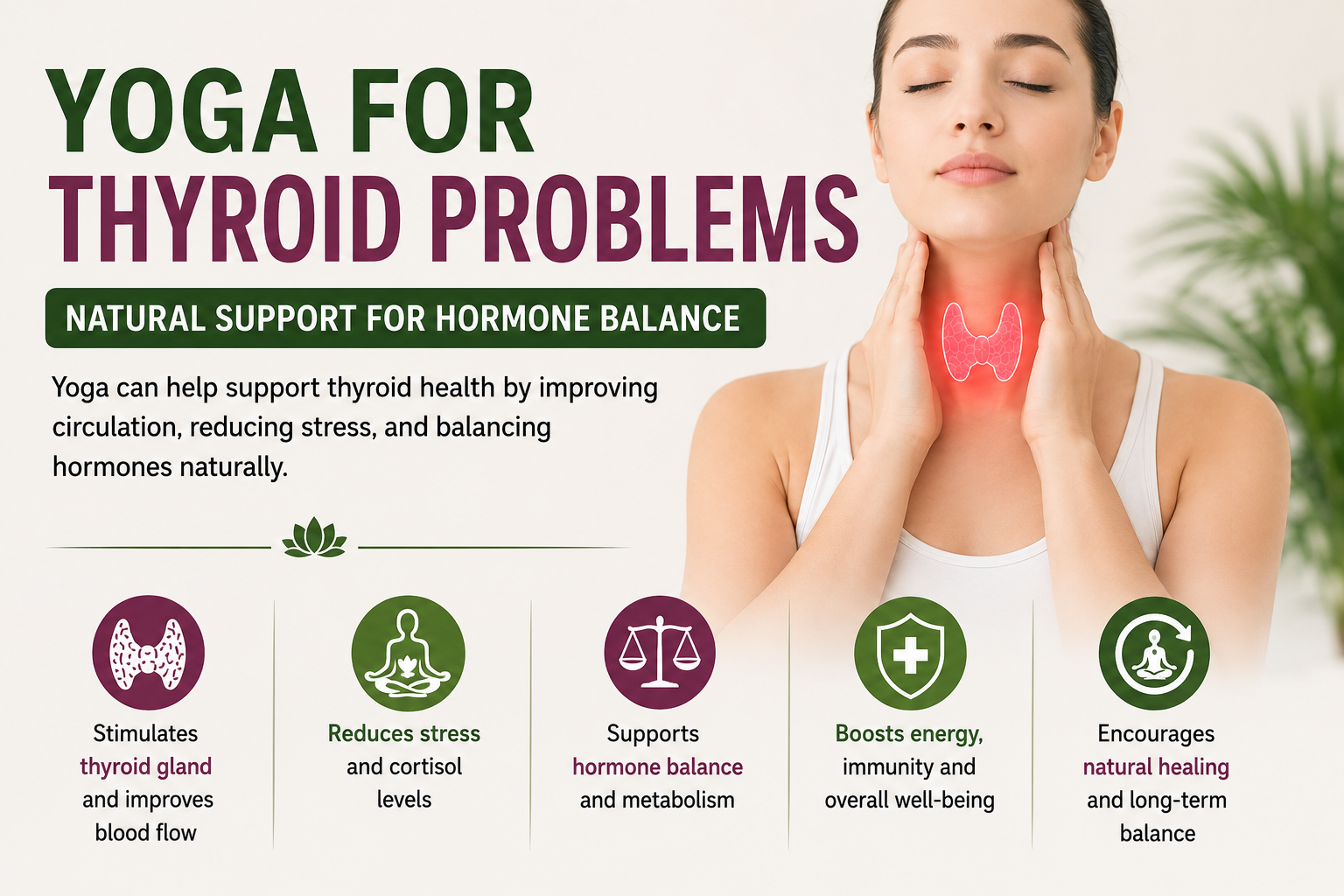
Introduction: The Connection Between Yoga and Thyroid Health
Your thyroid — a small, butterfly-shaped gland at the base of your neck — quietly orchestrates your metabolism, energy levels, mood, and hormonal balance. When it misfires, the ripple effects touch nearly every system in your body. Millions of people live with hypothyroidism, hyperthyroidism, or autoimmune conditions like Hashimoto’s, often struggling to find relief beyond medication alone.
Why Thyroid Health Matters
Thyroid dysfunction is far more common than most people realize, affecting an estimated 20 million Americans. Symptoms like chronic fatigue, weight changes, anxiety, and brain fog can significantly diminish quality of life — making complementary approaches to support conventional treatment genuinely valuable.
How Yoga Fits Into Thyroid Management
NIH NCCIH research on yoga and endocrine health NIH NCCIH suggests that consistent practice can positively influence hormonal regulation and stress response — two factors deeply intertwined with thyroid function. As explored in our guide on how yoga helps manage chronic diseases, yoga works best as a powerful complement to medical care, not a replacement. This article walks you through the most effective poses, breathing techniques, and the science explaining why they help.
How Yoga Affects the Thyroid Gland: The Physiological Mechanism

Understanding why yoga may benefit thyroid health requires looking at both anatomy and physiology. The thyroid gland sits at the base of the neck, making it uniquely responsive to movements that compress, stretch, or stimulate the surrounding tissue and blood flow.
Stimulation Through Neck Flexion and Extension
Poses involving deep neck flexion — such as Shoulderstand or Bridge — are traditionally believed to compress and then release the thyroid gland, temporarily altering local circulation. When the compression lifts, a fresh surge of oxygenated blood may support glandular function. While rigorous clinical trials remain limited, Mayo Clinic guidelines on thyroid management and complementary therapies Mayo Clinic acknowledge that gentle movement can play a supportive role alongside conventional treatment.
The Role of Pranayama (Breathing Techniques)
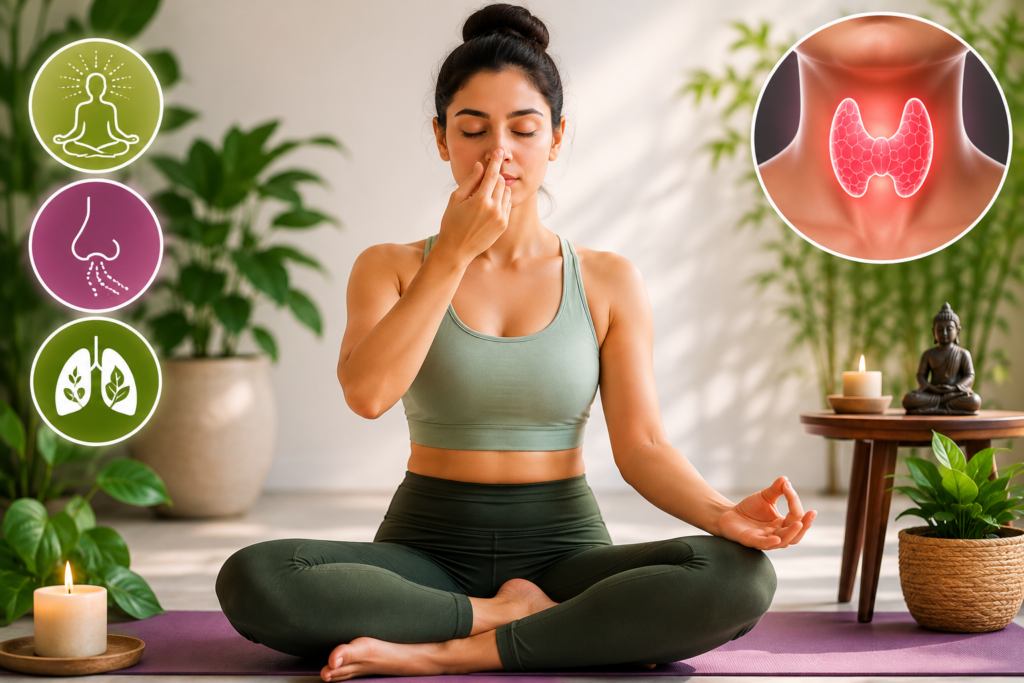
Specific breathing practices, particularly Ujjayi breath, create a mild vibrational stimulation in the throat region. This targeted engagement may improve local circulation while simultaneously activating the parasympathetic nervous system — shifting the body away from the “fight-or-flight” state that disrupts hormonal signaling.
Stress Reduction and Hormonal Balance
Chronic stress elevates cortisol, which can suppress thyroid-stimulating hormone (TSH) and interfere with the conversion of T4 to the active T3 hormone. Yoga’s well-documented ability to reduce cortisol helps create a hormonal environment more conducive to healthy thyroid function. This is part of a broader pattern explored in our guide on. Always consult your endocrinologist before using yoga as a complement to thyroid treatment.
Yoga for Hypothyroidism: Poses and Practices
Best Poses for Hypothyroidism
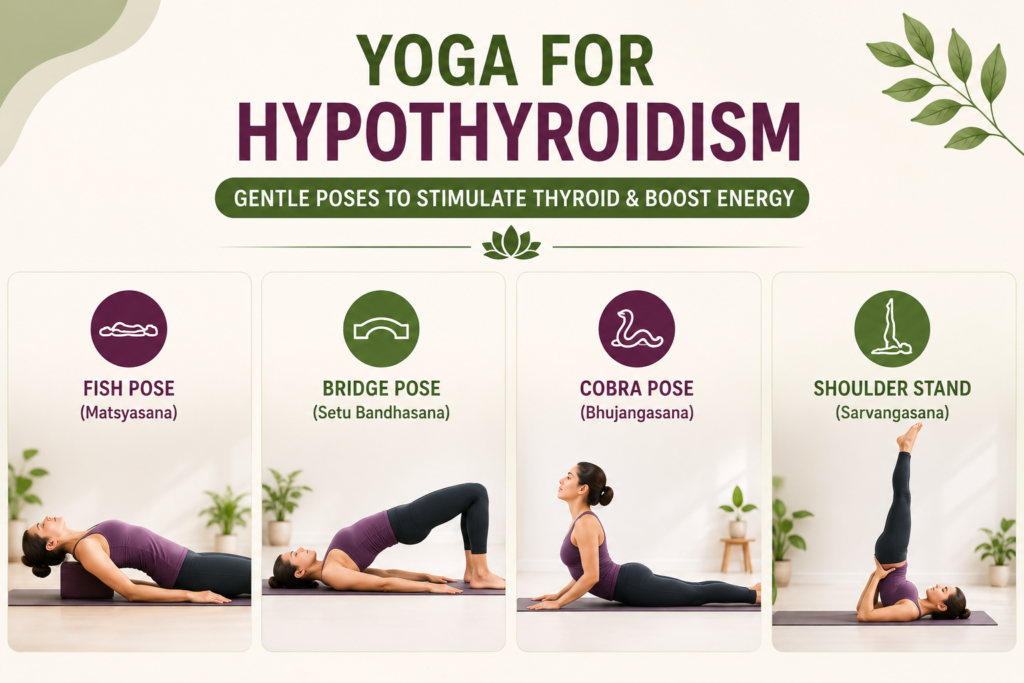
Certain yoga poses can be particularly beneficial for hypothyroidism by stimulating the neck and throat area, where the thyroid gland is located. Gentle inversions and poses that open the chest can improve circulation to the thyroid. Consider the following:
- Fish Pose (Matsyasana): Lying on your back, place hands under your hips, lift your chest, and gently drop your head back, resting the crown of your head on the floor. This pose opens the throat chakra.
- Bridge Pose (Setu Bandhasana): Lie on your back, bend your knees, and lift your hips. This pose also stimulates the thyroid and can be energizing.
- Cobra Pose (Bhujangasana): Lie on your stomach and lift your chest using your back muscles, keeping your hips on the floor. This gentle backbend can stimulate the thyroid.
Modifications for Fatigue: If you experience significant fatigue, opt for restorative versions of these poses, using props like bolsters and blankets for support. Focus on holding poses for shorter durations and prioritize gentle movement over intensity.
Energy-Boosting Pranayama Techniques
Breathing exercises, or pranayama, can significantly impact energy levels and stress reduction, both crucial for managing hypothyroidism. PubMed studies on pranayama and cortisol reduction PubMed highlight its stress-modulating effects.
- Ujjayi Breath (Victorious Breath): This gentle, audible breath, often used during asana practice, can help calm the nervous system and increase focus.
- Kapalabhati (Skull Shining Breath): This is a more invigorating breath with forceful exhalations. Perform it cautiously and only if you feel energized, as it can be quite stimulating.
Sample 15-Minute Sequence
A short, targeted sequence can be a great way to start your day or overcome an afternoon slump:
- Begin with 3-5 minutes of Ujjayi breath while seated comfortably.
- Perform 3-5 rounds of Cobra Pose, holding for 3-5 breaths each.
- Hold Fish Pose for 5-8 breaths, using props for support if needed.
- Follow with 5-8 breaths in Bridge Pose.
- Conclude with 2-3 minutes of restorative breathing, perhaps in a supported reclining position.
Remember to listen to your body and modify as needed. Consistency is key with yoga for thyroid health.
Yoga for Hyperthyroidism: Calming and Balancing Practices
Hyperthyroidism — where the thyroid produces excess hormones — creates a very different set of challenges than hypothyroidism. Symptoms like racing heart, anxiety, heat intolerance, and restlessness call for a fundamentally different yoga approach: one that calms the nervous system rather than stimulates it. Harvard Health articles on stress and thyroid function Harvard Health highlight how chronic stress can worsen hyperthyroid symptoms, making relaxation-focused practices especially valuable.
Restorative Poses for Hyperthyroidism
Gentle, cooling postures are your foundation here. Supported Child’s Pose, Legs-Up-the-Wall (Viparita Karani), and Supine Bound Angle Pose activate the parasympathetic nervous system, helping to reduce heart rate and ease anxiety. Forward folds performed slowly — without strain — can also be soothing. Avoid vigorous inversions like Headstand or Shoulderstand, as these stimulate thyroid circulation and may intensify symptoms. For a broader look at how calming yoga sequences work, see our guide on best yoga poses for stress relief.
Cooling Pranayama and Meditation
Sitali (cooling breath) and Sitkari pranayama are particularly well-suited to hyperthyroidism, as both literally lower perceived body temperature while calming the mind. Avoid Kapalabhati and Bhastrika — these heating, energizing breathwork techniques can aggravate an already overactive system. Simple mindfulness meditation practiced daily offers measurable anxiety reduction without any physical risk.
Contraindications and Modifications
- Avoid hot yoga: Heat intolerance is a hallmark hyperthyroid symptom; heated studios can be dangerous.
- Skip power or vinyasa flows: High-intensity sequences elevate heart rate and may worsen palpitations.
- Modify backbends: Deep throat-opening backbends may overstimulate the thyroid gland — keep them gentle and supported.
- Consult your endocrinologist: Always discuss yoga practice with your treating physician, especially if your thyroid levels are currently uncontrolled.
Specific Yoga Poses Beneficial for Thyroid Health
These poses are among the most frequently recommended for thyroid support, but individual suitability varies. Always consult your healthcare provider before beginning, especially if you have an unmanaged thyroid condition, neck injury, or cardiovascular concerns. The Cleveland Clinic information on thyroid conditions and exercise Mayo Clinic Yoga emphasizes that physical activity should complement — never replace — medical treatment.
Neck-Stimulating Poses (Shoulder Stand, Fish Pose, Lion’s Breath)
- Supported Shoulder Stand (Sarvangasana): Inverts the body, theoretically increasing circulation to the thyroid region. Use a folded blanket under the shoulders to protect the cervical spine. Hold for 30–60 seconds only.
- Fish Pose (Matsyasana): Gently arches the neck and throat, stretching the anterior neck muscles. A supported version with a block under the upper back reduces strain significantly.
- Lion’s Breath (Simhasana): A breathing exercise involving a wide mouth exhale and tongue extension — stimulates the throat area and relieves tension without physical neck compression.
Gentle Alternatives for Sensitive Necks
- Bridge Pose (Setu Bandhasana): A mild backbend that avoids direct neck pressure while still opening the chest and throat gently.
- Legs-Up-the-Wall (Viparita Karani): A restorative inversion suitable for most people, promoting relaxation and gentle circulation shift without neck strain.
A high-quality, non-slip yoga mat and props like blocks and straps help ensure proper alignment and safety during neck-focused poses — particularly important when working near a sensitive area like the cervical spine.
Poses to Avoid or Modify
- Full Headstand (Sirsasana): Avoid if you have neck issues, uncontrolled hypertension, or hyperthyroidism with elevated heart rate.
- Deep Unsupported Backbends: Poses like Wheel (Chakrasana) can overextend the neck — use props or substitute Bridge Pose.
- Rapid Vinyasa Sequences: Fast-paced flows may overstimulate those with hyperthyroidism. Opt for slower, deliberate movement instead.
If you’re newer to adapting yoga for health conditions, our guide on provides a helpful broader framework for building a safe, condition-specific practice.
The Role of Mindfulness and Stress Management in Thyroid Health
How Chronic Stress Impacts Thyroid Function
The thyroid gland is particularly sensitive to stress. When you’re under chronic stress, your body releases cortisol, a hormone that can disrupt thyroid hormone production and conversion Cleveland Clinic. This disruption can exacerbate existing thyroid conditions or even contribute to their development. Managing stress is therefore crucial for maintaining thyroid health.
Meditation Practices for Thyroid Support
Mindfulness and meditation offer powerful tools for stress reduction. Regular practice can help lower cortisol levels, which in turn supports healthier thyroid function. Apps like offer guided meditations and pranayama sequences specifically designed for stress reduction and thyroid support. These practices can also be particularly helpful in managing autoimmune thyroid conditions, potentially reducing the frequency and severity of flare-ups.
Integrating Lifestyle Factors: Diet, Sleep, and Yoga
While yoga and mindfulness are potent allies, they work best when integrated with other healthy lifestyle habits. Prioritizing a nutrient-rich diet, ensuring adequate sleep, and maintaining a consistent yoga practice are all essential components for comprehensive thyroid support. For more on stress relief, see our guide on Best Yoga Poses for Stress Relief: Science-Backed Sequences for Immediate Calm.
Real Results: What Users Report and Timeline Expectations
Common Success Stories
Many people practicing yoga for thyroid problems report meaningful improvements in energy levels, mood stability, and reduced brain fog — symptoms that often feel unmanageable with medication alone. Those with Hashimoto’s frequently describe a reduction in flare frequency after establishing a consistent gentle yoga routine. Hypothyroidism sufferers often note better sleep quality and less fatigue within weeks. As explored in our guide on how yoga helps manage chronic diseases, these patterns align with broader evidence that yoga supports hormonal and immune regulation.
Realistic Timelines for Seeing Results
Expect gradual progress, not overnight transformation. Most practitioners report noticeable shifts in stress levels and sleep within four to six weeks of consistent practice. Measurable changes in thyroid markers, if they occur, typically take three to six months. Results vary significantly based on diagnosis severity, lifestyle factors, and practice frequency.
When to Combine Yoga with Medical Treatment
Yoga is a complementary tool, not a cure. Never reduce or stop thyroid medication without medical guidance. The strongest outcomes come from pairing regular yoga practice with prescribed treatment, routine blood monitoring, and open communication with your endocrinologist. Yoga supports your body — medicine manages the condition.
About the Author

Pratham Bavkar — Wellness Researcher · Founder, Yoga Therapy Guide
Pratham Bavkar is the founder of Yoga Therapy Guide and a wellness researcher focused on yoga therapy, mobility, and posture health. He creates evidence-based, beginner-friendly guides on yoga poses, stretching routines, and natural wellness practices to help readers improve daily health naturally.