Introduction: Yoga as a Natural Approach to Managing High Blood Pressure
Nearly half of American adults live with high blood pressure, yet many rely solely on medication without exploring powerful lifestyle interventions that can work alongside — or sometimes reduce the need for — pharmaceutical treatment. Yoga, an ancient practice now backed by rigorous modern science, is emerging as one of the most promising natural tools for cardiovascular health.
Why Yoga Matters for Hypertension
NIH NCCIH studies on yoga and hypertension efficacy NIH NCCIH confirm what millions of practitioners already sense: consistent yoga practice measurably lowers both systolic and diastolic blood pressure. The mechanisms go beyond simple relaxation, involving the nervous system, stress hormones, and vascular function simultaneously. If you’re curious how this fits into broader disease management, our guide on provides essential context.
What You’ll Learn in This Guide
This guide cuts through the noise to deliver evidence-based poses, breathing techniques, and practical safety guidelines — everything you need to build a hypertension-focused yoga practice with confidence.
Understanding High Blood Pressure (Hypertension)
What Is Hypertension?
High blood pressure, or hypertension, occurs when the force of blood against artery walls remains consistently elevated. Readings at or above 130/80 mmHg are generally classified as hypertension, though many people experience no noticeable symptoms — earning it the label “the silent killer.” Left unmanaged, it quietly strains the heart, kidneys, and blood vessels over time.
Risk Factors and Health Implications
Hypertension rarely has a single cause. Genetics, sedentary lifestyle, poor diet, chronic stress, obesity, and sleep disruption all contribute. Uncontrolled high blood pressure significantly raises the risk of heart attack, stroke, kidney disease, and vision loss. Because it intersects with so many body systems, effective management demands a broad, lifestyle-centered approach — something explored thoroughly in our guide on how yoga helps manage chronic diseases.
Why Conventional Approaches Often Fall Short
Medications are often necessary and life-saving, but they don’t address underlying lifestyle drivers like chronic stress or physical inactivity. Many patients also experience side effects that reduce long-term adherence. Mayo Clinic guidelines on yoga safety for cardiovascular patients Mayo Clinic acknowledge that mind-body practices can meaningfully complement — not replace — standard medical care, offering a sustainable path toward better cardiovascular health.
How Yoga Lowers Blood Pressure: The Science Behind the Practice
Parasympathetic Nervous System Activation
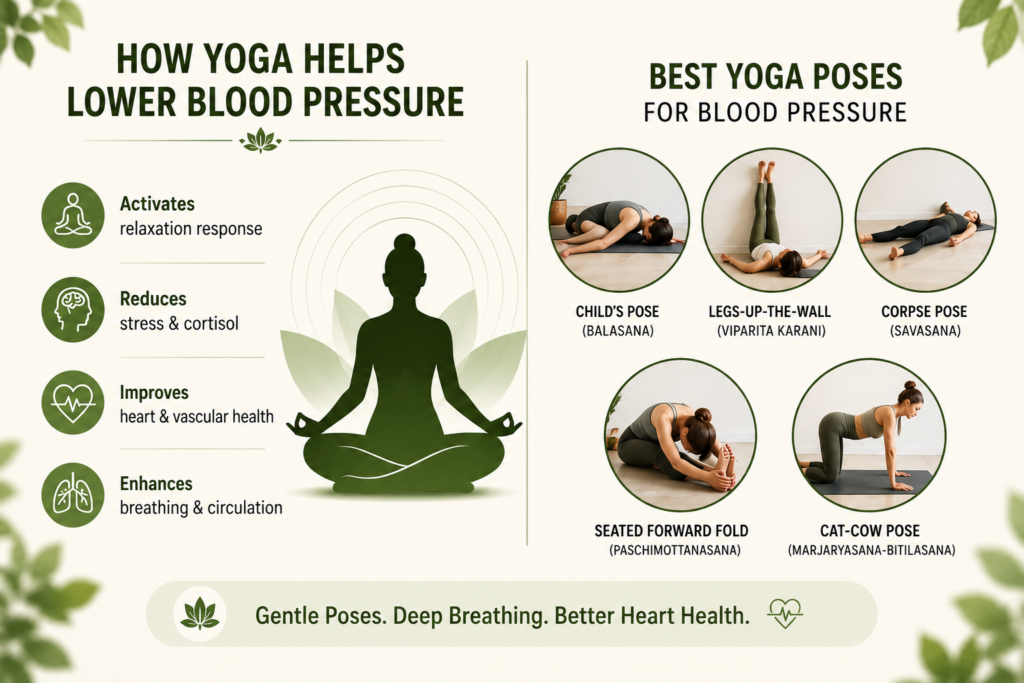
Yoga’s ability to lower blood pressure is significantly linked to its impact on the autonomic nervous system. Specifically, yoga practices, including deep breathing (pranayama) and mindful movement, stimulate the parasympathetic nervous system, often referred to as the “rest and digest” system. This activation counteracts the effects of the sympathetic nervous system (“fight or flight”), which can elevate heart rate and blood pressure. Harvard Health research on parasympathetic nervous system and blood pressure highlights this crucial connection PubMed.
Stress Reduction and Cortisol Management
Chronic stress is a major contributor to hypertension. Yoga effectively mitigates stress by reducing the levels of cortisol, the primary stress hormone. Lowering cortisol can lead to a decrease in blood pressure over time. This stress-management aspect of yoga is a key reason why it’s beneficial for overall cardiovascular health, aligning with its broader benefits for how yoga helps manage chronic diseases.
Improved Vascular Function and Blood Flow
Regular yoga practice can enhance endothelial function, which is the health of the inner lining of blood vessels. Improved endothelial function allows blood vessels to dilate more effectively, promoting better blood flow and reducing resistance. This can contribute to lower blood pressure readings. Certain yoga poses, combined with breathwork, are particularly effective in promoting circulation.
Research Evidence from Clinical Studies
Numerous clinical studies have investigated yoga for high blood pressure. Meta-analyses of these studies, often found in scientific databases like PubMed, consistently show a statistically significant reduction in both systolic and diastolic blood pressure among individuals who practice yoga regularly compared to control groups Harvard Health. These findings underscore yoga’s efficacy as a complementary therapy for hypertension management.
Best Yoga Styles for High Blood Pressure Management
Restorative Yoga: Gentle and Sustainable
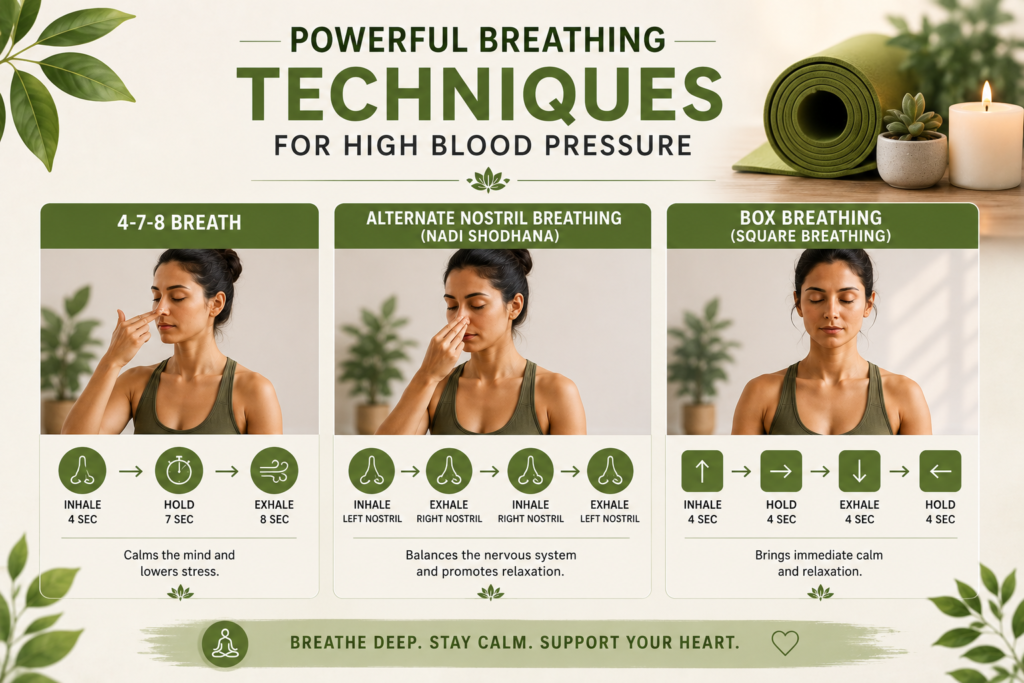
Restorative yoga is characterized by its passive poses, often held for extended periods with ample support from props like bolsters and blankets. This style is ideal for individuals seeking deep relaxation and stress reduction, which are crucial for managing high blood pressure. Its gentle nature makes it accessible to almost all fitness levels.
Yin Yoga: Deep Relaxation and Parasympathetic Activation
Yin yoga targets the deep connective tissues of the body through long-held passive poses. This style encourages a profound sense of calm and can significantly activate the parasympathetic nervous system—the body’s “rest and digest” mode. Research on pranayama (yogic breathing) and hypertension reduction Mayo Clinic Yoga highlights the power of breathwork, which is also a core component of Yin practice.
Hatha Yoga: Balanced Approach for Beginners
Hatha yoga offers a balanced practice that includes both poses (asanas) and breathing techniques (pranayama). It’s a foundational style that is well-suited for beginners, providing a comprehensive introduction to yoga’s physical and mental benefits. A regular Hatha practice can help improve cardiovascular health and reduce stress, contributing to better blood pressure control.
Comparison Table: Which Style Is Right for You?
- Restorative Yoga: Excellent for deep relaxation and stress reduction; very low physical intensity.
- Yin Yoga: Promotes parasympathetic activation and deep tissue release; requires patience with long holds.
- Hatha Yoga: Offers a balanced physical and breathing practice; good for building strength and flexibility, suitable for beginners.
For those new to yoga, starting with Hatha or Restorative styles can be beneficial. For more information on starting a home practice, see our guide on how to do yoga at home for beginners.
Essential Yoga Poses and Asanas for Blood Pressure Control
Essential Yoga Poses and Asanas for Blood Pressure Control
Certain yoga poses, known as asanas, are particularly beneficial for managing high blood pressure. These poses focus on relaxation, gentle stretching, and improved circulation. Remember to consult your doctor before starting any new exercise routine, especially if you have a medical condition like hypertension. The Cleveland Clinic recommendations on complementary therapies for high blood pressure often include practices like yoga Cleveland Clinic.
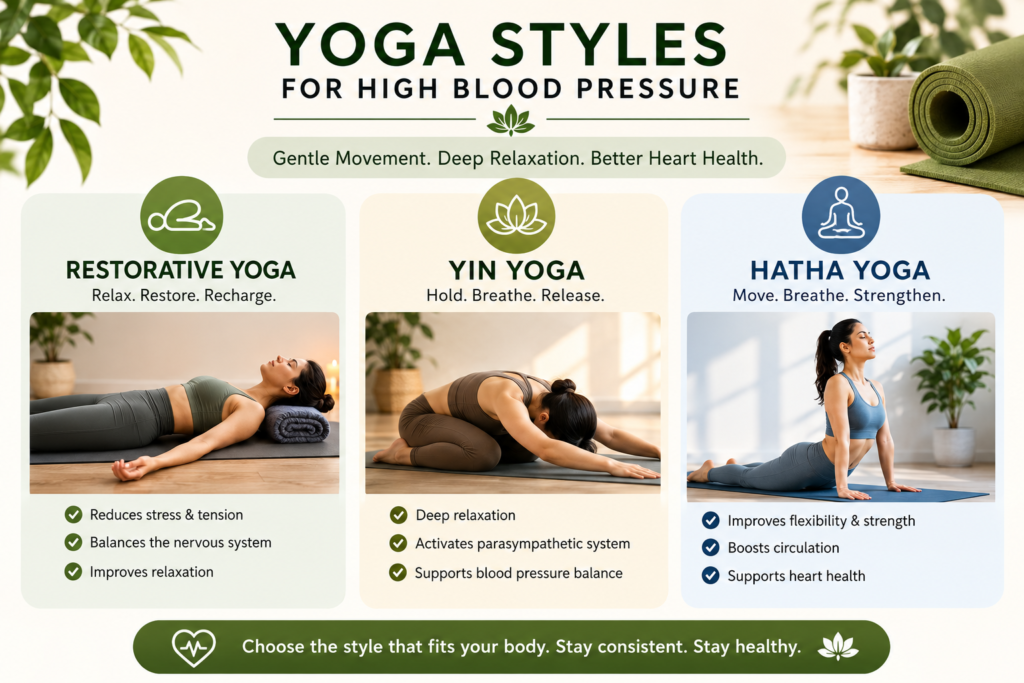
Child’s Pose (Balasana)
This resting pose gently stretches the hips, thighs, and ankles while calming the mind. It’s excellent for reducing stress, a key factor in blood pressure management. To perform, kneel on the floor, touch your big toes together, and sit on your heels. Separate your knees about hip-width apart and exhale as you fold forward, resting your torso between your thighs. Extend your arms forward or rest them alongside your body. Keep your forehead on the floor or on a cushion.
Legs-Up-the-Wall Pose (Viparita Karani)
This restorative pose is highly effective for improving circulation and promoting relaxation. Sit on the floor with one hip close to a wall. Swing your legs up the wall as you lie back. Your hips can be as close to the wall as comfortable. Relax your arms by your sides or overhead. This pose can be particularly helpful for reducing leg swelling and promoting overall calm.
Corpse Pose (Savasana)
While seemingly simple, Savasana is crucial for integrating the benefits of your yoga practice. It allows your body and mind to fully relax and release tension. Lie flat on your back with your legs slightly apart and arms resting by your sides, palms facing up. Close your eyes and focus on your breath, allowing your body to become heavy and still.
Seated Forward Fold (Paschimottanasana)
This pose stretches the spine, shoulders, and hamstrings while also promoting relaxation and reducing stress. Sit with your legs extended in front of you. Inhale and lengthen your spine, then exhale as you hinge at your hips, reaching towards your feet. Avoid forcing the stretch; focus on a gentle lengthening of the back.
Cat-Cow Pose (Marjaryasana-Bitilasana)
This gentle flow between two poses warms up the spine and promotes mindful breathing, which is beneficial for stress reduction. Start on your hands and knees. Inhale as you drop your belly, arch your back, and look up (Cow Pose). Exhale as you round your spine, tuck your chin to your chest, and draw your navel in (Cat Pose). This dynamic movement can help release tension along the spine and encourage deeper breathing.
How to Modify Poses for Your Fitness Level
It’s essential to modify poses to suit your individual needs and fitness level. For example, if a forward fold is too intense, you can bend your knees or use a yoga strap. Ensure you have good stability, especially in standing poses, by using a quality yoga mat with a non-slip surface. For poses like Child’s Pose, placing a cushion under your forehead or between your hips and heels can increase comfort. If you’re new to yoga or have specific physical limitations, consider exploring resources on how to do yoga at home for beginners or seeking guidance from a qualified instructor.
The Power of Pranayama: Breathing Exercises for Hypertension
What Is Pranayama?
Pranayama, the ancient Indian practice of breath control, is a cornerstone of yoga and a powerful tool for managing high blood pressure. It involves specific breathing techniques designed to regulate the flow of prana, or life force, within the body. By consciously controlling the breath, pranayama directly influences the autonomic nervous system, promoting relaxation and reducing the body’s stress response.
4-7-8 Breathing Technique
Developed by Dr. Andrew Weil, this technique is excellent for inducing calm. Inhale quietly through your nose for a count of 4, hold your breath for a count of 7, and exhale completely through your mouth with a whooshing sound for a count of 8. Repeat for up to four breath cycles.
Alternate Nostril Breathing (Nadi Shodhana)
This practice balances the left and right hemispheres of the brain and calms the nervous system. Close your right nostril and inhale through your left. Close your left nostril and exhale through your right. Inhale through your right, then close it and exhale through your left. This completes one round. Continue for several minutes.
Box Breathing for Immediate Calm
Also known as square breathing, this technique involves equal counts for each phase of the breath. Inhale for a count of 4, hold for 4, exhale for 4, and hold for 4. This simple rhythm can quickly reduce anxiety and lower heart rate.
Integrating Breathwork Into Your Yoga Practice
You can incorporate pranayama before, during, or after your asana practice. Even a few minutes of focused breathing can enhance the stress-reducing benefits of your yoga session. For more on managing stress through yoga, explore our guide on Best Yoga Poses for Stress Relief: Science-Backed Sequences for Immediate Calm.
Creating Your Personalized Yoga Routine for High Blood Pressure
Frequency and Duration: How Often Should You Practice?
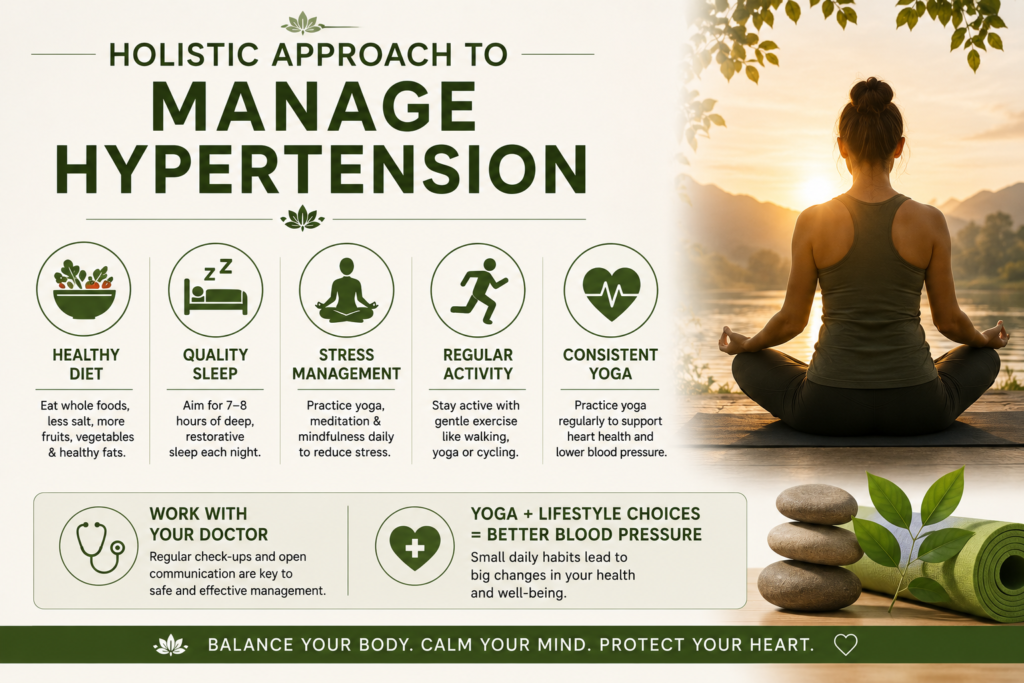
Consistency is key when using yoga for high blood pressure management. Aim for at least 3-5 yoga sessions per week. Each session can range from 20 to 40 minutes, depending on your schedule and energy levels. Even shorter, more frequent practices can be beneficial. For beginners, starting with shorter sessions and gradually increasing duration and frequency is recommended. This approach also helps prevent burnout and makes the practice sustainable long-term.
Sample 20-Minute Beginner Routine
- Warm-up (5 minutes): Gentle neck rolls, shoulder shrugs, and seated cat-cow stretches.
- Poses (10 minutes):
- Mountain Pose (Tadasana)
- Standing Forward Fold (Uttanasana) – use blocks if needed
- Downward-Facing Dog (Adho Mukha Svanasana)
- Low Lunge (Anjaneyasana)
- Corpse Pose (Savasana)
- Breathing (5 minutes): Focus on deep, diaphragmatic breathing.
Sample 40-Minute Intermediate Routine
- Warm-up (7 minutes): Sun Salutations A (Surya Namaskar A), modified as needed.
- Poses (25 minutes):
- Warrior II (Virabhadrasana II)
- Triangle Pose (Trikonasana)
- Bridge Pose (Setu Bandhasana)
- Seated Spinal Twist (Ardha Matsyendrasana)
- Child’s Pose (Balasana)
- Legs-Up-the-Wall Pose (Viparita Karani)
- Corpse Pose (Savasana)
- Breathing (8 minutes): Alternate Nostril Breathing (Nadi Shodhana Pranayama).
Tracking Progress and Adjusting Your Practice
Monitor how you feel after each session and keep a journal of your blood pressure readings. Note any changes in stress levels or sleep quality. Many people find a dedicated Meditation/Yoga App Subscription invaluable for guided routines, tracking progress, and even finding programs specifically designed for hypertension. As you become more comfortable, you can explore more challenging poses or longer durations. Don’t hesitate to adjust your routine based on your body’s feedback and your healthcare provider’s recommendations. For those with mobility issues, exploring options like chair yoga for seniors can be a great starting point.
Yoga, Medication, and Holistic Hypertension Management
Can Yoga Replace Blood Pressure Medication?
The short answer is no — not without your doctor’s guidance. While research confirms yoga can meaningfully reduce blood pressure NIH NCCIH, it works best as a complement to, not a replacement for, prescribed medication. Stopping antihypertensives abruptly carries serious cardiovascular risks. Think of yoga as a powerful addition to your treatment plan, not an exit from it.
Integrating Yoga With Diet and Lifestyle Changes
Yoga’s benefits compound when paired with other evidence-based lifestyle changes. A reduced-sodium diet, limiting alcohol, maintaining a healthy weight, and regular aerobic movement all independently lower blood pressure — and yoga supports each of these goals by reducing stress-driven overeating and improving body awareness. For a broader look at how yoga supports chronic conditions, see our guide on how yoga helps manage chronic diseases.
Sleep, Stress Management, and Cardiovascular Health
Poor sleep and chronic stress are two major drivers of elevated blood pressure. A consistent yoga practice — particularly evening restorative sequences and pranayama — can improve sleep quality and lower cortisol, creating a positive cycle for cardiovascular health.
Working With Your Healthcare Provider
Always inform your doctor before starting yoga for hypertension. Track your readings regularly, report significant changes, and ask about any pose restrictions specific to your condition. Medical collaboration is essential — your provider can help you monitor progress and safely adjust medication if lifestyle changes prove effective over time.
Safety Precautions and When to Avoid Certain Poses
Poses to Avoid With High Blood Pressure
Inversions such as Headstand (Sirsasana) and Shoulder Stand (Sarvangasana) can temporarily raise intracranial pressure and should be avoided if your blood pressure is uncontrolled. Similarly, intense backbends, hot yoga, and breath-holding techniques like Kapalabhati practiced vigorously place excessive cardiovascular demand on the body.
Warning Signs During Practice
Stop immediately if you experience dizziness, chest tightness, shortness of breath, or sudden headache. These may signal a dangerous pressure spike requiring prompt medical attention.
When to Consult Your Doctor Before Starting Yoga
Anyone with a reading consistently above 160/100 mmHg, or those on multiple antihypertensive medications, should get medical clearance first. This is especially important if hypertension coexists with heart disease or kidney conditions. For broader context on safe movement with chronic illness, see our guide on how yoga helps manage chronic diseases.
Common Myths and Misconceptions Debunked
- Myth: All yoga is gentle and safe for everyone. Fact: Intensity varies widely; style and pace matter greatly.
- Myth: Yoga replaces medication. Fact: It complements, never substitutes, prescribed treatment.
Conclusion: Your Path to Better Blood Pressure Through Yoga
Key Takeaways
Yoga offers a genuinely evidence-based path to supporting healthier blood pressure. Gentle poses reduce arterial stiffness, pranayama techniques activate the parasympathetic nervous system, and consistent practice lowers both systolic and diastolic readings over time. Yoga works best as a complement to — never a replacement for — prescribed medication and medical guidance.
Getting Started Today
You don’t need experience or special equipment to begin. Start with three sessions per week, focusing on restorative poses and slow diaphragmatic breathing. If you’re new to practice altogether, our guide on how to do yoga at home for beginners walks you through everything step by step.
Long-Term Commitment and Lifestyle Integration
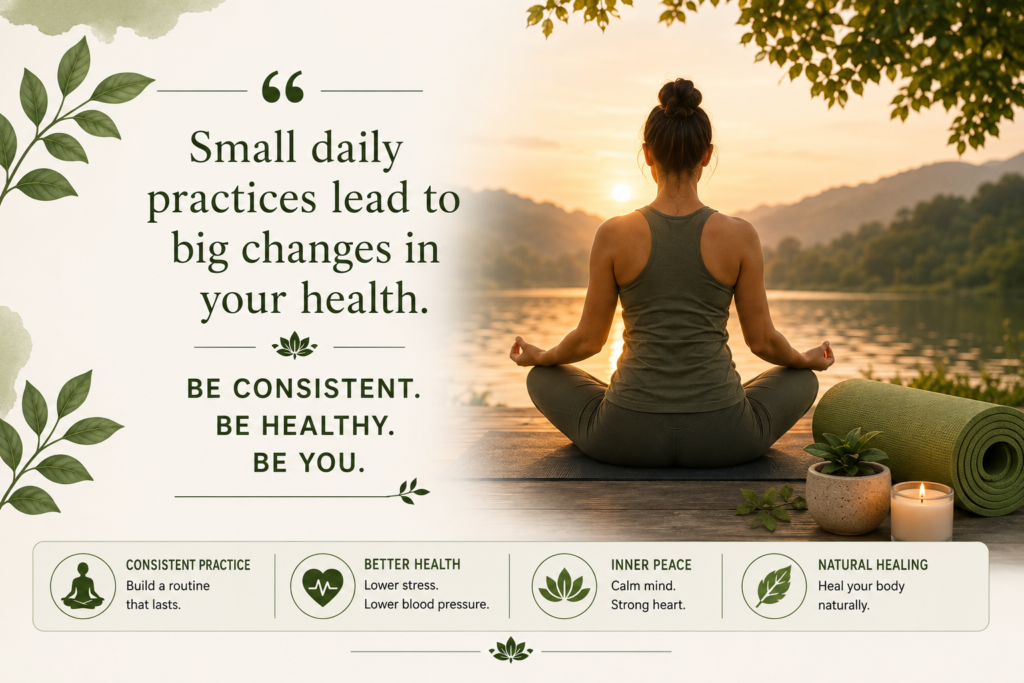
Sustainable results come from consistency. Pair your yoga practice with quality sleep, a heart-healthy diet, and stress management to amplify every benefit. Track your blood pressure regularly, communicate openly with your doctor, and treat your mat time as non-negotiable self-care. Small, steady effort compounds into meaningful, lasting change — your healthiest numbers may be closer than you think.
About the Author

Pratham Bavkar — Wellness Researcher · Founder, Yoga Therapy Guide
Pratham Bavkar is the founder of Yoga Therapy Guide and a wellness researcher focused on yoga therapy, mobility, and posture health. He creates evidence-based, beginner-friendly guides on yoga poses, stretching routines, and natural wellness practices to help readers improve daily health naturally.