Introduction to Relaxing Herbal Teas
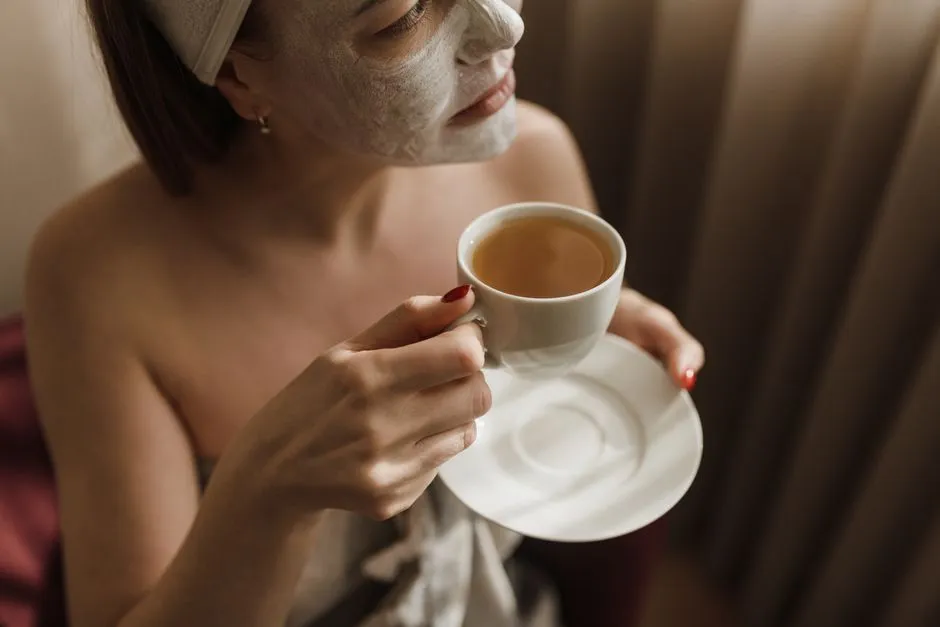
There’s a reason you instinctively reach for a warm cup of tea when the day feels too heavy. The gentle steam, the earthy aroma, the quiet ritual of waiting — relaxing herbal tea engages your senses before a single sip passes your lips. But the calm you feel isn’t just in your imagination.
What Makes a Tea ‘Relaxing’?
Not every herbal blend earns the label. True relaxing teas contain bioactive compounds that interact directly with your nervous system. Chamomile, for instance, delivers apigenin, a flavonoid that binds to GABA receptors in the brain — the same receptors targeted by anti-anxiety medications. Green tea contributes L-theanine, an amino acid shown to promote calm alertness without drowsiness.
The Science Behind Herbal Relaxation
The National Center for Complementary and Integrative Health NIH NCCIH has reviewed growing evidence supporting specific herbs for stress and sleep. These aren’t folk remedies running on placebo — they’re botanicals with measurable physiological effects, from lowering cortisol to modulating serotonin pathways. Understanding the science helps you choose blends that genuinely work.
The Science of Why Specific Herbs Relax You
How Herbal Compounds Affect the Nervous System
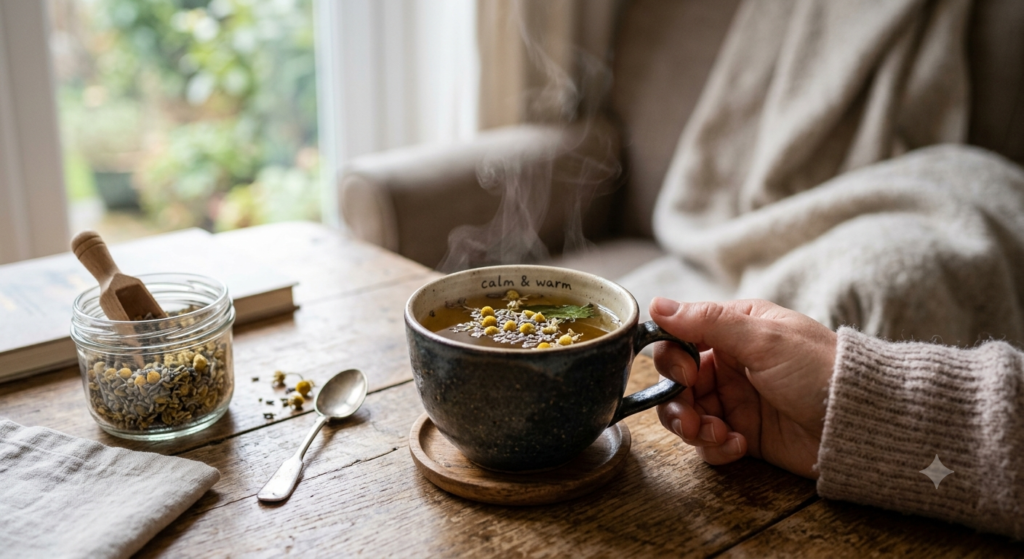
The calming effects of certain herbal teas aren’t just folklore; they’re rooted in specific biochemical interactions within your body. Many herbs contain compounds that directly influence your central nervous system, promoting relaxation and reducing stress. These natural substances can interact with neurotransmitters, the chemical messengers that regulate mood, sleep, and anxiety levels. By understanding these mechanisms, we can better appreciate the power of a warm, soothing cup.
Active Ingredients Explained
Key to the relaxing properties of herbal teas are specific active ingredients. For instance, apigenin, a flavonoid found abundantly in chamomile, is known to bind to certain receptors in the brain that may decrease anxiety and initiate sleep. PubMed studies on chamomile, lavender, and valerian mechanisms of action Mayo Clinic highlight compounds like linalool (in lavender), which has demonstrated sedative and anxiolytic effects. Valerian root, another popular choice, contains compounds like valerenic acid, which are thought to increase levels of gamma-aminobutyric acid (GABA), a neurotransmitter that inhibits nerve activity and promotes calmness. These compounds work synergistically to create a profound sense of tranquility.
Top Herbs for Relaxation: A Detailed Breakdown
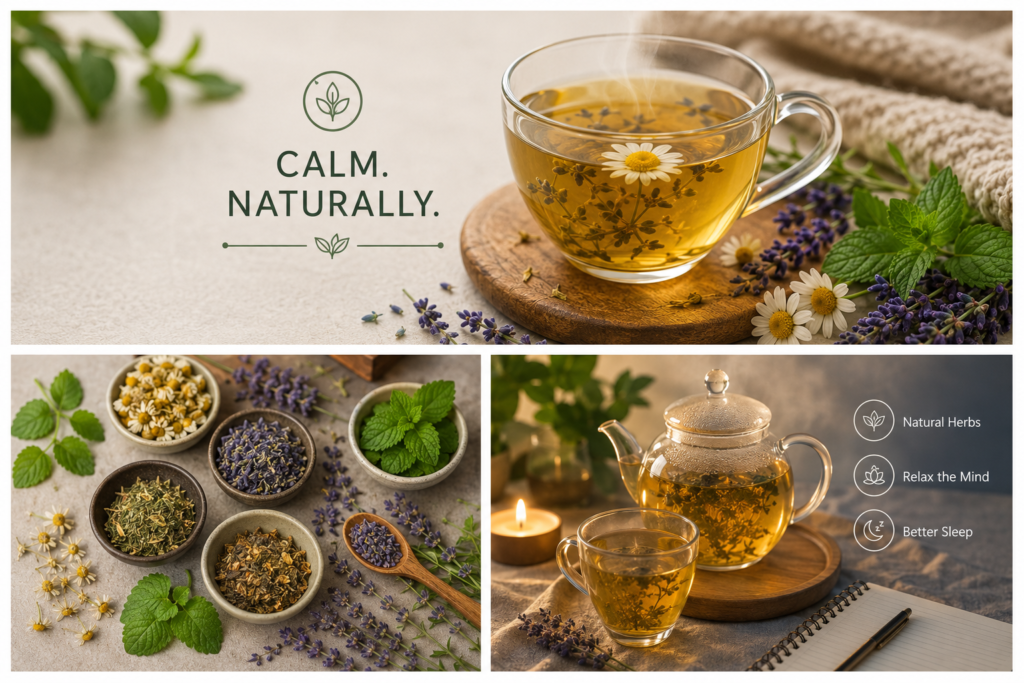
Chamomile: The Classic Calmer
Chamomile is the gateway herb for most people exploring relaxing herbal tea. Its flavor is mild, slightly sweet, and faintly apple-like — approachable enough for nightly use. It’s generally well-tolerated, though people with ragweed allergies should proceed cautiously, as cross-reactivity is possible. Mayo Clinic guidance on herbal tea safety and drug interactions PubMed notes that chamomile may also interact with blood-thinning medications, so consult your doctor if relevant.
Lavender: Aroma and Anxiety Relief
Lavender tea delivers a floral, slightly woody flavor that some find intensely soothing. Even the act of inhaling the steam may contribute to its calming effect. Use it sparingly — too much can taste soapy. Avoid large amounts during pregnancy without medical guidance.
Valerian Root: Deep Sleep Support
Valerian has an earthy, pungent taste that many people blend with gentler herbs to make it more palatable. It’s among the stronger options for sleep support. Because it may amplify sedative medications, it’s worth discussing with a healthcare provider before regular use. For more context on timing and dosage, see our guide on herbal tea for sleep.
Passionflower: Gentle Stress Relief
Passionflower offers a mild, grassy flavor and is often praised for reducing nervous tension without heavy sedation. It’s a good daytime option. Avoid combining it with sedative drugs or alcohol.
Lemon Balm: Mood and Mental Clarity
Lemon balm tastes bright, citrusy, and refreshing — making it one of the most pleasant herbs on this list. Beyond relaxation, it’s associated with improved focus and reduced irritability, making it uniquely versatile for both stressful afternoons and wind-down evenings.
Loose Leaf vs. Tea Bags: Quality Matters
Why Loose Leaf Delivers Better Results
For the most potent and flavorful relaxing herbal tea experience, loose leaf varieties generally reign supreme. When herbs are allowed to steep whole, their essential oils and active compounds are released more effectively into the water. This means a richer aroma, a more complex taste, and potentially a stronger calming effect. This is particularly true for herbs known for their stress-reducing properties, as noted by Harvard Health on stress reduction and herbal remedies Harvard Health.
Understanding Tea Bag Quality
Not all tea bags are created equal. While convenient, many commercially available tea bags contain “fannings” and “dust” – the smaller particles left over after premium whole leaves are processed. These smaller pieces can result in a weaker brew and may not contain the full spectrum of beneficial compounds. However, higher-quality tea bags do exist, often using larger, pyramid-shaped sachets that allow more room for the herbs to expand and infuse.
How to Spot Premium Herbal Tea
Regardless of form, look for vibrant colors and a strong, fresh aroma. Whole or large pieces of herbs indicate better quality. If you’re new to exploring the world of relaxing herbal teas, investing in a quality sampler pack can be a great way to discover your favorites and appreciate the nuances between different herbs and their preparations. A premium loose leaf herbal tea sampler is an excellent starting point.
The Ritual of Relaxation: Brewing and Preparation
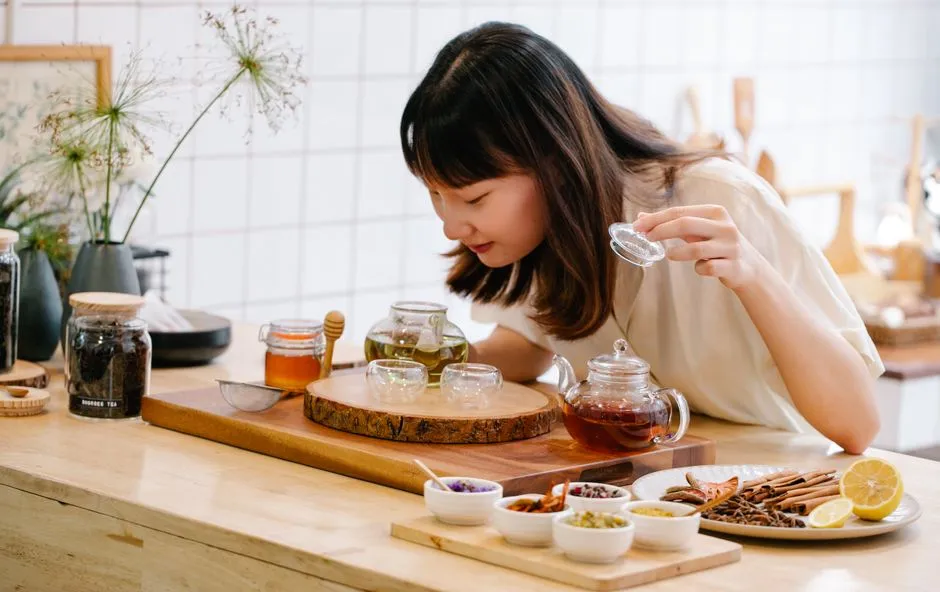
The simple act of preparing a cup of relaxing herbal tea can become a powerful ritual, a moment of intentional pause in a busy day. As a yoga therapist, I often guide individuals to find mindfulness in everyday activities, and tea preparation is a perfect opportunity.
The Perfect Brewing Temperature and Time
Different herbs have optimal brewing conditions to release their beneficial compounds. While general guidelines exist, precise temperatures can enhance flavor and efficacy. For most herbal teas, water just off the boil (around 200-212°F or 93-100°C) is ideal. Steeping times typically range from 5 to 10 minutes, though some delicate flowers might need less. Experimentation is key to discovering your personal preference, much like adjusting poses in yoga.
Mindfulness in Tea Preparation
Engage your senses during preparation. Notice the aroma of the dry herbs, the sound of the water heating, and the visual transformation as the tea steeps. This mindful approach, akin to the focus required in meditation, amplifies the calming effects. Consider investing in a quality Herbal Tea Infuser or Brewing Set. A fine-mesh stainless steel infuser or a dedicated gongfu brewing set can elevate the ritual, allowing herbs to fully expand and release their essence, transforming a simple drink into a ceremony.
Enhancing Your Relaxation Experience
Beyond brewing, consider your surroundings. A quiet space, soft lighting, or gentle music can deepen the relaxation. The World Health Organization acknowledges the long history and cultural significance of traditional medicine and herbal preparations World Health Organization, and integrating tea into a mindful practice honors this heritage. This deliberate preparation transforms tea from a beverage into a tool for well-being.
Custom Relaxing Herbal Tea Blends: Recipes You Can Make
Evening Wind-Down Blend
This blend is perfect for easing into a restful evening. Combine:
- 1 part dried chamomile flowers
- 1 part dried lemon balm
- 1/2 part dried passionflower
Steep 1-2 teaspoons of the blend in hot water for 5-7 minutes. The gentle floral notes of chamomile, the citrusy calm of lemon balm, and the subtle sedative properties of passionflower work harmoniously to quiet a busy mind.
Stress-Relief Daytime Blend
When midday stress strikes, turn to this invigorating yet calming infusion. Mix:
- 1 part dried peppermint
- 1 part dried spearmint
- 1/2 part dried ginger root
- 1/4 part dried holy basil (tulsi)
Use 1-2 teaspoons per cup, steeping for 5 minutes. Peppermint and spearmint offer a refreshing lift, while ginger aids digestion and holy basil is known for its adaptogenic qualities, helping your body manage stress more effectively.
Sleep-Deep Nighttime Blend
For nights when deep sleep feels elusive, this potent blend can be a game-changer. Create a mix of:
- 2 parts dried chamomile flowers
- 1 part dried valerian root
- 1 part dried lavender buds
- 1/2 part dried hops
Steep 1-2 teaspoons in hot water for 10-15 minutes. Valerian root is a powerful sleep aid Mayo Clinic Yoga, while lavender promotes relaxation. Hops add a mild sedative effect, creating a truly soporific brew.
Integrating Herbal Tea Into Your Wellness Routine
Pairing Tea with Meditation
Elevate your meditation practice by incorporating a warm cup of relaxing herbal tea. The gentle warmth and aromatic qualities can deepen your focus and create a sense of calm before you even begin your session. Consider a subscription to a guided meditation app to enhance your mindfulness journey alongside your tea ritual.
Herbal Tea and Yoga Practice
Just as herbal tea soothes the mind, certain blends can complement a gentle yoga practice. Sipping a calming tea before or after restorative poses can enhance the physical and mental relaxation. Imagine sinking into Savasana with the lingering scent of chamomile – pure bliss.
Building a Relaxation Ritual
Create a dedicated time each day for your relaxing herbal tea. This could be your morning wake-up, an afternoon pause, or your evening wind-down. The simple act of preparing and enjoying your tea becomes a powerful ritual, signaling to your body and mind that it’s time to de-stress and recharge.
When to Drink Relaxing Herbal Tea: Timing for Maximum Benefit
Pre-Sleep Teas vs. Daytime Calming
Timing matters. Sedating herbs like valerian and passionflower work best consumed 30–60 minutes before bed, giving active compounds time to take effect. Lighter options — lemon balm, holy basil — suit daytime use without causing drowsiness.
Frequency and Dosage Guidance
Most herbalists suggest one to three cups daily as a reasonable range, though individual sensitivity varies. If you’re pregnant, nursing, or taking medications, consult a qualified healthcare provider before making relaxing herbal tea a daily habit NIH NCCIH.
Common Misconceptions About Herbal Tea Effectiveness
Myth: All Herbal Teas Taste Bad
A common misconception is that all herbal teas are unpalatable. While some blends can be acquired tastes, many are naturally sweet, floral, or fruity. Exploring different herbs like peppermint, lemon balm, or even hibiscus can reveal surprisingly delicious options beyond traditional chamomile. Often, unpleasant flavors stem from low-quality ingredients or improper brewing.
Myth: Herbal Tea Works Instantly
Unlike a pharmaceutical, the effects of herbal tea are generally subtle and cumulative. While some individuals may feel a sense of calm after a single cup, true relaxation often builds with consistent use. Trusting the process and incorporating it into a daily ritual can enhance its benefits over time.
Myth: Chamomile Is the Only Option
Chamomile is indeed a popular choice for relaxation, but it’s far from the only effective herb. Many other plants offer calming properties, including lavender, passionflower, and valerian root Mayo Clinic. Diversifying your herbal tea selection can lead to discovering new favorites and a broader spectrum of relaxation benefits.
Sustainability and Ethical Sourcing
What to Look for in Ethical Tea Brands
When choosing your relaxing herbal tea, consider brands committed to ethical sourcing. This means fair wages and safe working conditions for farmers and harvesters. Look for certifications that indicate fair trade practices PubMed. Transparency in their supply chain is also a good sign, showing they are open about where their ingredients come from and how they are produced. Supporting these brands ensures that your moment of calm doesn’t come at the expense of others’ well-being.
Environmental Impact of Herbal Tea Production
The production of herbal teas, while often perceived as natural, can still have environmental impacts. Sustainable farming methods are key. This includes practices like organic cultivation, which avoids synthetic pesticides and fertilizers, and water conservation. Supporting brands that prioritize biodiversity and soil health in their growing regions helps mitigate negative effects. Some companies also focus on eco-friendly packaging, reducing plastic waste and using recyclable or compostable materials. A quality tea brand will often highlight these efforts.
Potential Side Effects and Contraindications
Relaxing herbal teas are generally safe for most healthy adults, but transparency matters. Certain herbs carry real risks for specific populations, and ignoring them undermines both your health and your trust in herbal remedies. Medical authorities including the Mayo Clinic Harvard Health caution that “natural” does not automatically mean risk-free.
Who Should Avoid Certain Herbs
- Pregnant or breastfeeding women should avoid valerian, licorice root, and high-dose chamomile, as safety data remains limited.
- People with ragweed allergies may react to chamomile, which belongs to the same plant family.
- Children under 12 should only consume herbal teas under pediatric guidance.
- Those with liver conditions should use kava with extreme caution or avoid it entirely.
Drug Interactions to Know About
Some herbs interact meaningfully with medications. Valerian may amplify sedatives and anxiety medications. Chamomile has mild blood-thinning properties that could interact with anticoagulants like warfarin. World Health Organization Passionflower may intensify the effects of CNS depressants. Always consult a qualified healthcare provider before incorporating relaxing herbal tea regularly if you take any prescription medication.
FAQ: Your Relaxing Herbal Tea Questions Answered
What is the best relaxing herbal tea for anxiety?
Chamomile and lavender are consistently top choices for anxiety relief. Chamomile contains apigenin, which binds to GABA receptors to ease nervous tension, while lavender has demonstrated measurable calming effects in clinical studies Mayo Clinic Yoga. Passionflower is another strong option for those experiencing racing thoughts.
Can I drink relaxing herbal tea every day?
For most healthy adults, yes. Daily consumption of chamomile, lemon balm, or passionflower tea is generally safe and may even offer cumulative benefits over time. However, always check for herb-specific contraindications, especially if you take medications or are pregnant.
How quickly does herbal tea start working?
Most people notice a calming effect within 20–45 minutes of drinking. The ritual of brewing itself can trigger relaxation even before the first sip. For deeper effects, consistency matters — regular use builds on itself. Explore our herbal tea for sleep guide for nighttime-specific advice.
About the Author

Pratham Bavkar — Wellness Researcher · Founder, Yoga Therapy Guide
Pratham Bavkar is the founder of Yoga Therapy Guide and a wellness researcher focused on yoga therapy, mobility, and posture health. He creates evidence-based, beginner-friendly guides on yoga poses, stretching routines, and natural wellness practices to help readers improve daily health naturally.