
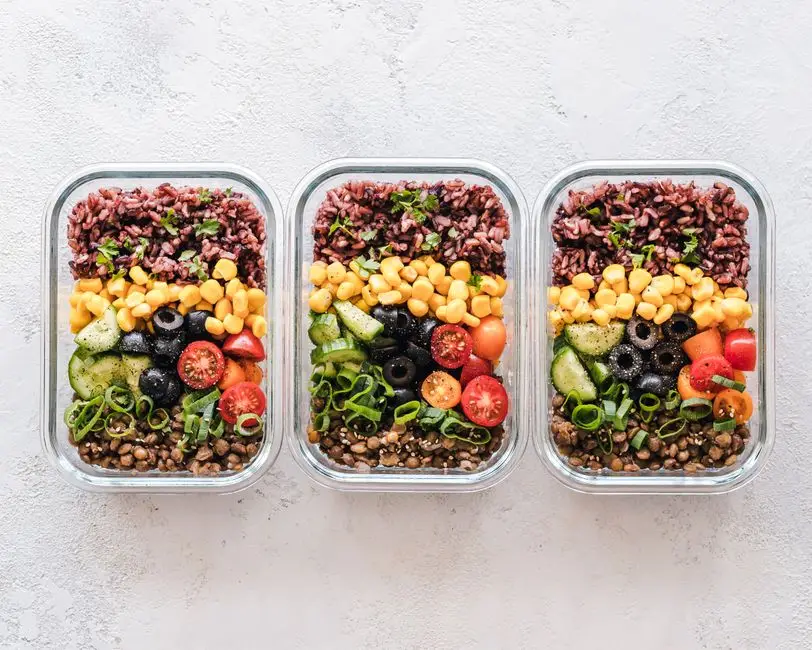
Introduction to High-Protein Meal Prep
What if you could eat well every single day without spending hours in the kitchen? That’s the real promise of high-protein meal prep — and it’s more achievable than you might think. Whether you’re a busy professional scrambling between meetings or a fitness enthusiast chasing specific body composition goals, a little Sunday planning can transform your entire week.
Why Meal Prep Matters
Meal prepping eliminates the daily “what’s for dinner?” spiral that so often ends in takeout. By dedicating a couple of hours once or twice a week, you gain consistent nutrition, reduced food waste, and serious savings on your grocery bill.
The High-Protein Advantage
Protein isn’t just for bodybuilders. The Mayo Clinic NIH NCCIH confirms that adequate protein intake supports satiety, muscle maintenance, and healthy metabolism — making it essential for virtually everyone. If you’re also managing hormonal health, our guide on best foods for PCOS weight loss explores how protein plays a key role there too.
Benefits of High-Protein Meal Prep
Satiety and Appetite Control
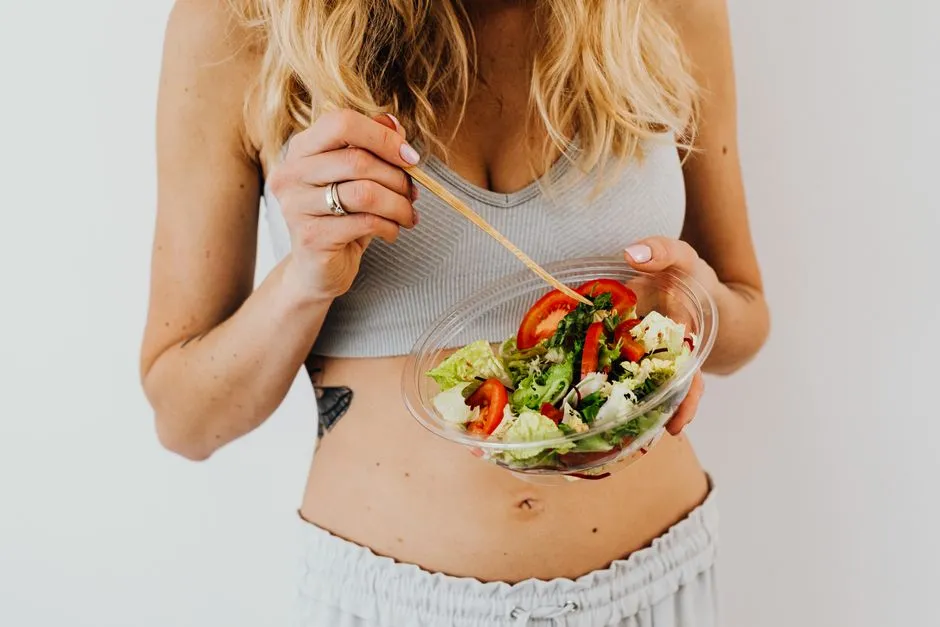
Protein is the most filling macronutrient, and the science backs this up consistently. Harvard Health on high-protein diets and metabolic health Mayo Clinic notes that higher protein intake increases levels of satiety hormones like GLP-1 and PYY while reducing ghrelin, the hormone that triggers hunger. Practically speaking, this means fewer mid-morning cravings and less temptation to grab something unhealthy when life gets busy.
Muscle Recovery and Growth
Whether you exercise regularly or simply want to maintain functional strength as you age, adequate protein is essential. Spreading protein intake across prepped meals throughout the day supports muscle protein synthesis more effectively than consuming it all in one sitting — making meal prep a genuinely strategic choice, not just a convenience.
Sustained Energy and Afternoon Energy Crashes
That familiar 2 p.m. slump is often driven by blood sugar spikes and crashes from carbohydrate-heavy lunches. High-protein meals digest more slowly, producing a steadier glucose release and more consistent energy. If you manage blood sugar conditions, our guide on diabetes-friendly meal plans explores this connection in greater depth.
Cost-Effectiveness When Done Right
Batch-cooking protein sources like eggs, canned tuna, lentils, and chicken thighs dramatically reduces per-meal costs compared to buying lunch daily. Strategic planning turns meal prep ideas high protein into a genuinely budget-friendly habit.
Beginner's Guide to High-Protein Meal Prep
Setting Macronutrient Targets
Starting with high-protein meal prep doesn’t require complex calculations. A good rule of thumb for many is to aim for around 0.7 to 1 gram of protein per pound of body weight. For example, if you weigh 150 pounds, aim for 105-150 grams of protein daily. This provides a solid foundation for muscle building and satiety. For personalized advice, consulting a healthcare professional or registered dietitian is recommended PubMed.
Essential Equipment and Containers
You don’t need a gourmet kitchen to start. Essential items include:
- A reliable set of food storage containers: Look for BPA-free, microwave-safe, and leak-proof options. Glass containers are durable and don’t retain odors.
- Measuring cups and spoons: Crucial for portion control and accurate macro tracking.
- Basic cooking utensils: A good knife, cutting board, and a few pots/pans will suffice.
Time-Saving Strategies (Under 1 Hour)
The key to making meal prep sustainable is efficiency. Focus on these quick wins:
- Batch cook grains: Cook a large batch of rice, quinoa, or oats at the beginning of the week.
- Prep vegetables: Wash and chop veggies like bell peppers, onions, and broccoli in advance.
- Cook lean proteins: Grill or bake chicken breasts, boil eggs, or cook ground turkey in large quantities.
- Utilize frozen produce: Frozen fruits and vegetables are just as nutritious and require no chopping.
High-Protein Meal Prep Ideas by Meal Type

Breakfast Prep Ideas
Start your day strong with protein-packed breakfasts that keep you full and energized. Overnight oats are a classic for a reason. Simply combine rolled oats, milk (dairy or non-dairy), chia seeds, and your favorite protein powder in a jar. Add berries or nuts in the morning for extra flavor and nutrients. Another great option is a batch of mini frittatas or egg muffins, loaded with chopped vegetables and lean protein like diced chicken or turkey sausage. These can be made ahead and reheated quickly.
Lunch and Dinner Recipes
For midday meals and evening sustenance, think about versatile bases that can be prepped in bulk. A large batch of quinoa or brown rice forms the foundation for many bowls. Top with seasoned shredded chicken or lean ground turkey, roasted vegetables like broccoli and sweet potatoes, and a healthy sauce. Lentil shepherd’s pie is a hearty, vegetarian option that freezes well. For a gluten-free choice, consider a big pot of chili made with lean ground beef or a mix of beans, served with a side of cauliflower rice.
High-Protein Snacks
Snacking smart is key to maintaining energy levels and avoiding unhealthy choices. Hard-boiled eggs are simple and effective. Greek yogurt with a sprinkle of nuts and seeds provides a creamy, satisfying boost. Edamame, either steamed or roasted, is another excellent plant-based option. Don’t underestimate the power of jerky (look for low-sodium varieties) or even a small protein shake if you’re on the go.
Protein Stacking for Maximum Variety
The concept of “protein stacking” means incorporating multiple protein sources into a single meal or snack. This not only enhances satiety but also provides a broader spectrum of amino acids. For instance, a salad can feature grilled chicken, chickpeas, and a sprinkle of pumpkin seeds. A stir-fry might include tofu, edamame, and a drizzle of peanut sauce. This strategy, supported by PubMed studies on protein intake and appetite control Harvard Health, helps manage hunger effectively and keeps meals interesting. It’s also a fantastic way to cater to different dietary needs within a family, offering both meat and plant-based protein options.
Budget-Friendly High-Protein Meal Prep
Eating enough protein doesn’t have to strain your grocery budget. With smart shopping and simple planning, you can consistently hit your daily protein targets — WHO guidelines on daily protein intake World Health Organization recommend roughly 0.8g per kilogram of body weight — without overspending.
Cheapest Protein Sources
- Eggs: One of the most affordable complete proteins available
- Canned tuna and sardines: High protein, long shelf life, low cost
- Dried lentils and chickpeas: Excellent plant-based protein at pennies per serving
- Chicken thighs: Cheaper than breasts, equally nutritious
- Cottage cheese: Budget-friendly and surprisingly high in casein protein
Bulk Buying Strategies
Purchasing oats, dried beans, rice, and frozen chicken in larger quantities significantly reduces per-serving costs. Store proteins in portioned freezer bags immediately after buying to minimize waste and simplify weekday cooking.
Sample Budget Weekly Plan
A practical weekly plan might include lentil soup, egg muffins, tuna rice bowls, and chicken thigh stir-fry — covering roughly 100–130g of daily protein for under $40 per week. If you’re managing a specific health condition alongside your nutrition goals, our guide on diabetes-friendly meal plans offers compatible high-protein options worth exploring.
Tips for Freshness and Food Safety

Storage Best Practices
Store cooked proteins in airtight containers within two hours of cooking to prevent bacterial growth. Most high-protein meal preps stay fresh in the refrigerator for 3–4 days; freeze portions you won’t eat within that window for up to three months. Label containers with the date so nothing gets forgotten.
Preventing Spoilage
Keep raw and cooked proteins on separate shelves to avoid cross-contamination. Let hot food cool slightly before sealing containers — trapping steam creates excess moisture that accelerates spoilage. If you’re managing a specific health condition like PCOS, pairing safe storage habits with the right ingredients matters doubly; see our guide on best foods for PCOS weight loss for meal plan ideas that align with these practices.
Reheating Guidelines
Reheat proteins to an internal temperature of 165°F (74°C) Mayo Clinic Yoga before eating. Use a microwave-safe lid to retain moisture, or reheat on the stovetop with a splash of water or broth. Avoid reheating the same portion more than once.
Frequently Asked Questions
What are the best high-protein foods for meal prep? Excellent choices include chicken breast, lean ground turkey, fish like salmon or tuna, eggs, Greek yogurt, tofu, lentils, beans, and quinoa. These are versatile and hold up well when prepped in advance.
How long does high-protein meal prep last? Properly stored, most high-protein meals will last 3-4 days in the refrigerator. For longer storage, freezing is a good option for many dishes, especially those without delicate greens or dairy.
Can high-protein meal prep help with weight loss? Yes, protein is known for its satiety, meaning it helps you feel fuller for longer. This can reduce overall calorie intake and support weight management goals. If you have specific health concerns like diabetes, consult our guide on diabetes-friendly meal plans for tailored advice.
Conclusion
High-protein meal prep doesn’t have to be complicated or expensive. With the right planning, a handful of versatile ingredients, and a couple of hours on the weekend, you can set yourself up for a full week of satisfying, muscle-supporting meals — all without breaking the bank.
Getting Started Today
The most important step is simply beginning. Pick two or three recipes from this guide that appeal to you, write a focused shopping list, and block out time this weekend to cook. You don’t need to overhaul your entire diet at once — small, consistent habits build lasting results. As your confidence grows, you can expand your repertoire, experiment with new proteins, and fine-tune your macros.
- Start simple: One protein, one grain, one vegetable — batch-cooked and mixed into multiple meals.
- Stay consistent: Even one prep session per week makes a measurable difference.
- Track your wins: Notice how much time, money, and mental energy you save.
If you’re managing a specific health condition alongside your nutrition goals, our guide on best foods for PCOS weight loss offers targeted advice that pairs well with a high-protein approach. Now grab your containers — your future self will thank you.
About the Author

Pratham Bavkar — Wellness Researcher · Founder, Yoga Therapy Guide
Pratham Bavkar is the founder of Yoga Therapy Guide and a wellness researcher focused on yoga therapy, mobility, and posture health. He creates evidence-based, beginner-friendly guides on yoga poses, stretching routines, and natural wellness practices to help readers improve daily health naturally.