What Is an AI Weight Loss App?
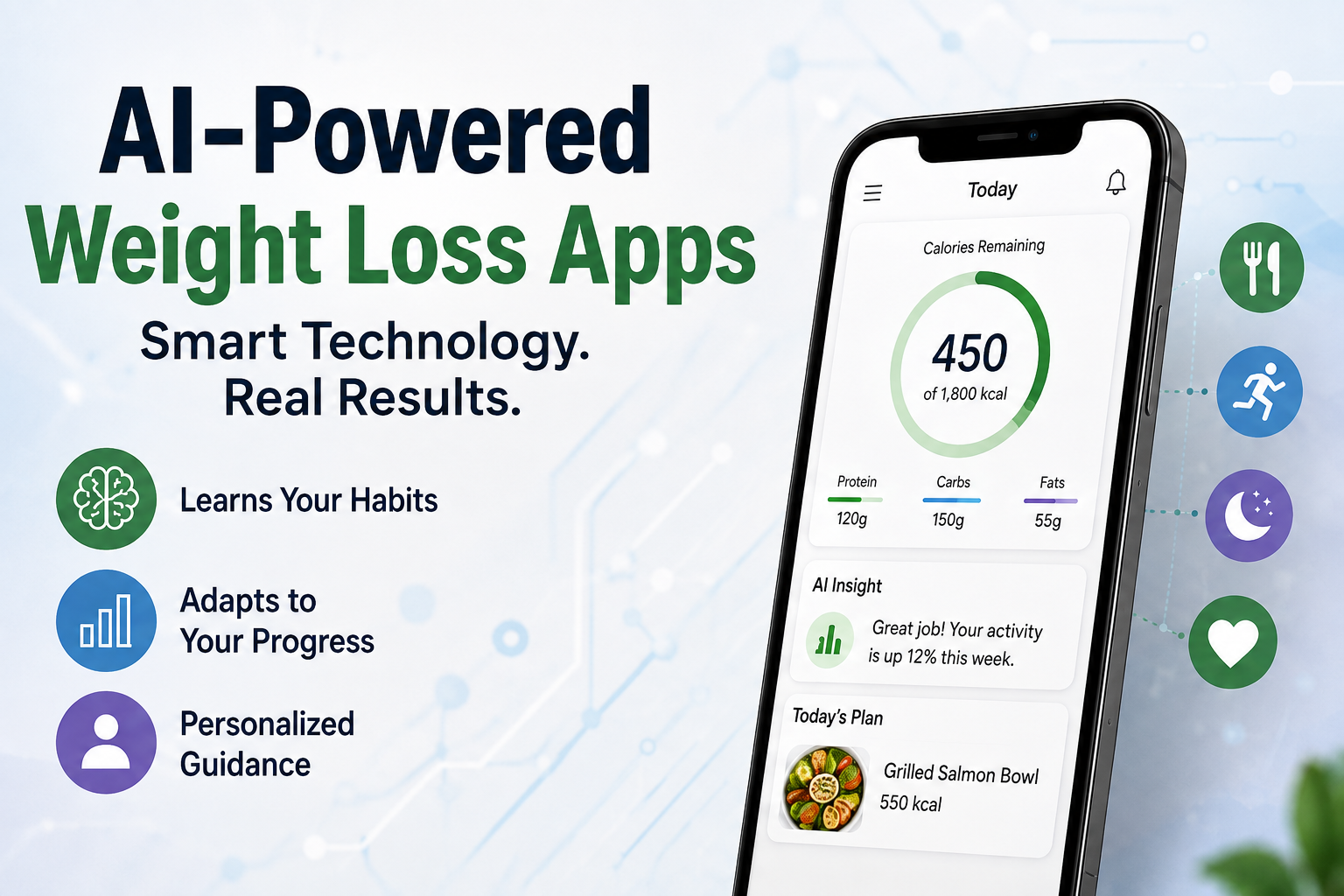
Not all weight loss apps are created equal. Standard calorie counters ask you to log food and spit back numbers — but an AI weight loss app goes several steps further, learning your habits, adapting to your progress, and delivering guidance that evolves with you rather than staying static.
How AI Differs From Traditional Weight Loss Apps
Traditional apps follow fixed rules: eat fewer calories, move more, lose weight. AI-powered apps use machine learning to recognize patterns in your behavior — sleep, stress, meal timing, activity — and adjust recommendations accordingly. The result is a personalized feedback loop that gets smarter the longer you use it, much like working with a coach who actually remembers your history.
The Core Technology Behind AI-Powered Weight Loss
Most AI weight loss apps combine natural language processing, computer vision (for food photo recognition), and predictive analytics. NIH NCCIH studies on digital health interventions for weight management NIH NCCIH have shown that personalized, adaptive digital tools produce meaningfully better outcomes than one-size-fits-all approaches. If you’re also exploring dietary strategies alongside an app, our guide on best foods for PCOS weight loss pairs well with this technology-first approach.
How AI Works for Weight Loss
How AI Works for Weight Loss
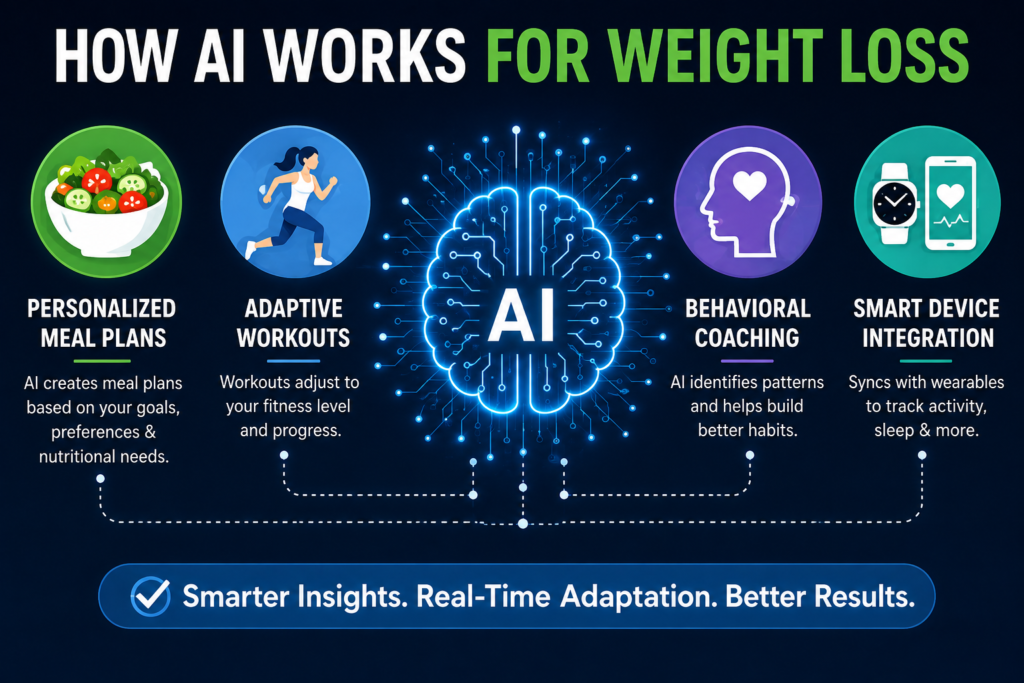
AI-powered weight loss apps go beyond simple calorie counting by leveraging sophisticated algorithms to act as your personalized health companion. These intelligent systems analyze your unique data to provide tailored guidance, making them a powerful tool for achieving your goals. The Mayo Clinic guidelines on technology-assisted weight loss programs highlight the potential of such tools Mayo Clinic.
Personalized Meal Plan Generation
At its core, AI excels at processing vast amounts of information. For weight loss, this translates into creating highly customized meal plans. By considering your dietary preferences, allergies, nutritional needs, and even your daily activity levels, AI can suggest meals that are both effective and enjoyable. This is particularly beneficial for individuals managing specific conditions, like those looking for Best Foods for PCOS Weight Loss.
Adaptive Exercise Recommendations
Similarly, AI can adapt exercise routines to your fitness level and progress. Instead of a one-size-fits-all workout, the app learns from your performance, suggesting modifications or increasing intensity as you get fitter. This ensures you’re consistently challenged without risking overexertion or injury.
Behavioral Coaching and Habit Formation
Beyond diet and exercise, many AI apps incorporate behavioral science principles. They can identify patterns in your habits, provide motivational messages, and offer strategies for overcoming common obstacles like emotional eating or lack of motivation. This continuous feedback loop helps foster sustainable lifestyle changes.
Integration With Wearables and Smart Devices
The true power of AI is amplified through integration. By syncing with smartwatches, fitness trackers, and even smart scales, these apps can gather real-time data on your activity, sleep, and weight. This constant stream of information allows the AI to refine its recommendations dynamically, providing a more accurate and responsive weight loss journey.
Can AI Really Help You Lose Weight? Evidence & Research
Scientific Studies on AI-Driven Weight Loss
The integration of artificial intelligence into weight management is more than just a trend; it’s backed by growing scientific evidence. Research published in various journals, including analyses of PubMed research on machine learning algorithms in nutrition and fitness personalization PubMed, demonstrates AI’s potential. These studies highlight how AI can analyze vast amounts of data—from dietary intake and exercise patterns to individual metabolic responses—to create highly personalized and adaptive weight loss plans that traditional methods often can’t match.
Real User Success Stories
Beyond clinical studies, anecdotal evidence and user testimonials increasingly point to the effectiveness of AI-powered tools. Many individuals have reported significant and sustainable weight loss by leveraging the personalized feedback, motivational nudges, and adaptive coaching provided by these apps. While results vary, the common thread is the enhanced accountability and tailored guidance that AI offers, helping users overcome plateaus and maintain long-term adherence to their health goals.
Addressing Common Skepticism With Data
Skepticism about AI’s role in weight loss is understandable, but data consistently supports its efficacy. Unlike generic diet plans, AI algorithms learn and adapt in real-time. If a user isn’t responding as expected, the AI can adjust recommendations for food or exercise. This dynamic approach, supported by numerous case studies and ongoing research Harvard Health, offers a more scientific and responsive path to weight management compared to static programs. For those managing specific conditions, understanding how these tools complement other strategies is key; for example, this is particularly relevant for individuals exploring PCOS weight loss yoga as part of a broader health regimen.
Best AI Weight Loss Apps: Free vs. Premium Features
Top-Rated AI Apps Comparison
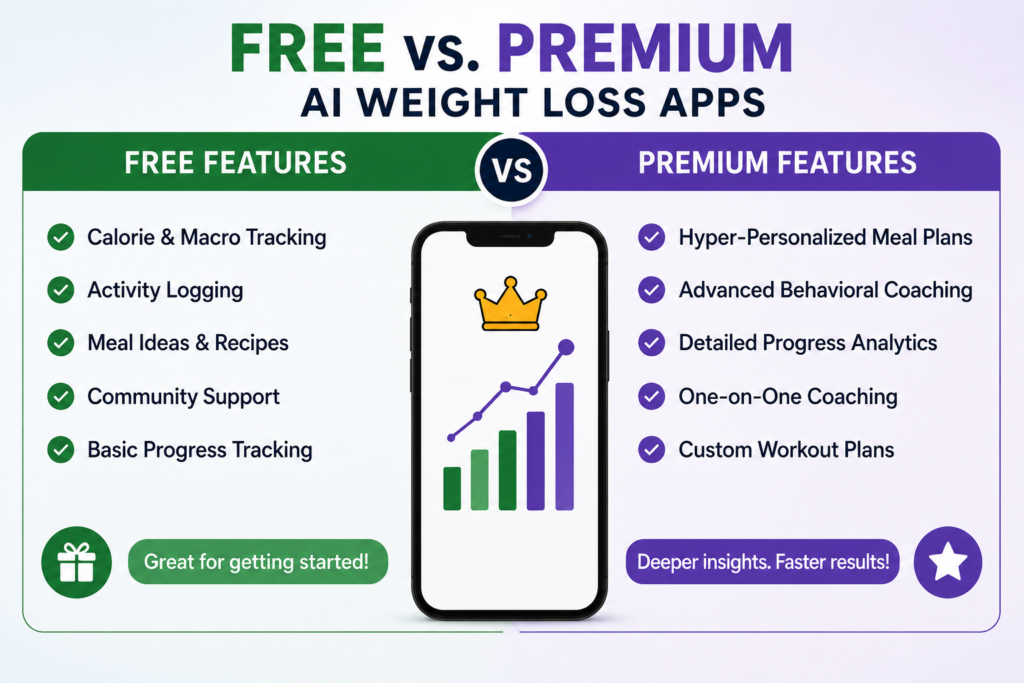
When choosing an ai weight loss app, understanding the differences between free and premium features is crucial. Many apps offer a robust free tier that can kickstart your journey, while premium subscriptions unlock more advanced tools and personalized support. This section breaks down what to expect from both, helping you make an informed decision.
Free AI Features Worth Using
Even without a subscription, many AI weight loss apps provide valuable tools. These often include:
- Basic Calorie and Macro Tracking: Most free versions allow you to log your food intake, with AI suggesting portion sizes and estimating nutritional content.
- Activity Logging: Syncing with fitness trackers or manually inputting workouts helps the app estimate calorie expenditure.
- Generic Meal Plans and Recipes: Access to a library of healthy recipes and general meal suggestions.
- Community Support: Many apps have forums or groups where users can share experiences and motivation.
- Basic Progress Monitoring: Charts and graphs showing weight trends and daily intake.
Premium Tiers: What You’re Paying For
Premium subscriptions elevate the AI experience significantly. You’re typically paying for:
- Hyper-Personalized Meal Plans: AI algorithms that adapt meal suggestions based on your specific dietary needs, preferences, activity levels, and even genetic data (in some advanced apps).
- Advanced Behavioral Coaching: AI-driven insights into eating habits, emotional eating triggers, and personalized strategies for overcoming obstacles. Harvard Health articles on behavioral change and digital health tools World Health Organization highlight the importance of such personalized guidance.
- Detailed Progress Analytics: Deeper insights into how specific foods affect your body, sleep patterns, and energy levels.
- One-on-One Coaching Integration: Some premium tiers offer access to human coaches who work alongside the AI.
- Customized Workout Plans: AI-generated exercise routines tailored to your fitness level and weight loss goals.
Investing in a Premium AI Weight Loss App Subscription can be highly beneficial for those seeking a tailored and dynamic approach to weight management. The advanced personalization and deeper analytics offered by premium versions often lead to more sustainable results compared to generic plans.
Choosing Based on Your Goals
Consider your primary objective. If you need help with basic tracking and motivation, a free app might suffice. However, if you have specific dietary needs (like managing PCOS, for instance, which you can learn more about in our Best Foods for PCOS Weight Loss guide) or struggle with habit formation, the advanced features of a premium AI weight loss app can provide the targeted support you need for significant progress.
AI Accuracy in Calorie Tracking and Nutrition
AI Accuracy in Calorie Tracking and Nutrition
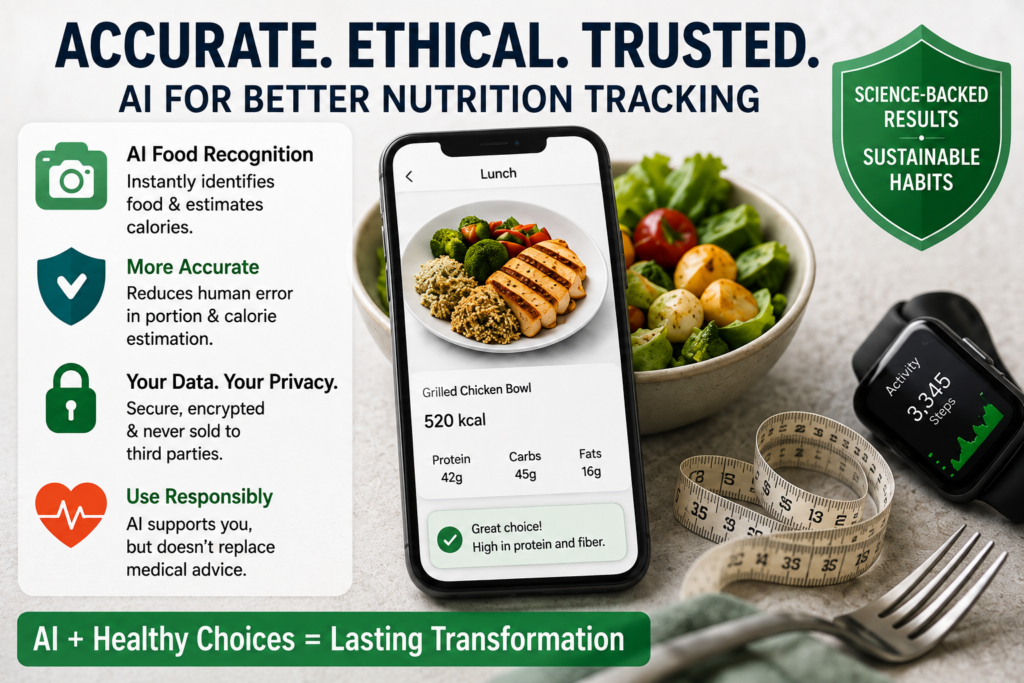
AI-powered calorie tracking offers a significant advantage over manual logging. By leveraging sophisticated algorithms, these apps can analyze food images, scan barcodes, and even estimate portion sizes with greater precision. This reduces the human error often associated with remembering every ingredient or accurately judging quantities. The World Health Organization (WHO) has recognized the potential of digital health solutions for obesity prevention Mayo Clinic Yoga, and accurate tracking is a cornerstone of effective weight management.
Limitations and Potential Biases
Despite advancements, AI calorie trackers are not infallible. Algorithm bias can occur if the training data is not diverse enough, potentially leading to inaccuracies for certain cuisines or food types. For individuals managing specific conditions like PCOS, relying solely on general AI estimations might not be sufficient; personalized nutritional guidance becomes crucial. For those managing PCOS, exploring specialized dietary strategies is often recommended, as detailed in guides on Best Foods for PCOS Weight Loss.
Ethical Considerations in AI Recommendations
The ethical implications of AI in weight loss are paramount. Apps must ensure user data privacy and security. Furthermore, AI recommendations should be transparent and avoid promoting unhealthy or unsustainable weight loss practices. Users should be encouraged to consult with healthcare professionals, as AI is a tool, not a replacement for medical advice.
Sustainable Weight Loss: AI as a Lifestyle Partner, Not a Quick Fix
Building Long-Term Habits With AI Support
AI weight loss apps are most effective when viewed as partners in building sustainable lifestyle changes, not as magic bullets. They excel at providing consistent support, personalized feedback, and data-driven insights that help you understand your body’s unique responses to diet and exercise. Instead of chasing rapid, often unsustainable results, these tools empower you to cultivate lasting healthy habits. For those interested in understanding the science behind nutrition and behavior change more deeply, pursuing a can offer valuable complementary knowledge.
How AI Adapts to Your Progress
A key strength of AI is its ability to learn and adapt. As you log your meals, workouts, and even sleep patterns, the app refines its recommendations. This dynamic approach ensures that your plan evolves with you, preventing plateaus and keeping you engaged. Whether you’re managing a condition like PCOS, where dietary adjustments are crucial, understanding these personalized shifts can be particularly beneficial. For more on this, see our guide on Best Foods for PCOS Weight Loss: A Science-Backed Guide with Meal Plans.
Avoiding Dependency and Maintaining Motivation
While AI offers incredible support, it’s vital to foster self-awareness and intrinsic motivation. The goal is to internalize healthy practices so they become second nature, rather than relying solely on the app’s prompts. Many apps incorporate gamification, progress tracking, and community features to keep motivation high. By focusing on small, consistent wins and understanding the underlying principles of nutrition and fitness, you can build confidence and maintain momentum long after you’ve reached your initial goals.
Frequently Asked Questions
Do AI weight loss apps actually work?
Yes, when used consistently. Research shows AI-powered apps improve adherence to calorie goals and support sustainable habits — but they work best alongside balanced nutrition and regular movement, not as a standalone solution.
Are there good free AI weight loss apps?
Several strong free options exist, including MyFitnessPal and Lose It!, which offer AI-assisted tracking without a subscription. Premium tiers unlock deeper personalization, but free versions deliver real value for most users.
Is my data safe in an AI weight loss app?
Reputable apps use encrypted storage and clear privacy policies. Always review data-sharing settings before signing up, and avoid apps that sell personal health data to third parties.
Can AI apps help with condition-specific weight loss?
Some apps allow you to set health conditions as context, though they’re not medical tools. If you have hormonal conditions like PCOS, combining an app with targeted strategies — like those in our guide on best foods for PCOS weight loss — tends to produce better results.
About the Author

Pratham Bavkar — Wellness Researcher · Founder, Yoga Therapy Guide
Pratham Bavkar is the founder of Yoga Therapy Guide and a wellness researcher focused on yoga therapy, mobility, and posture health. He creates evidence-based, beginner-friendly guides on yoga poses, stretching routines, and natural wellness practices to help readers improve daily health naturally.