Introduction to Bedtime Yoga with Adriene
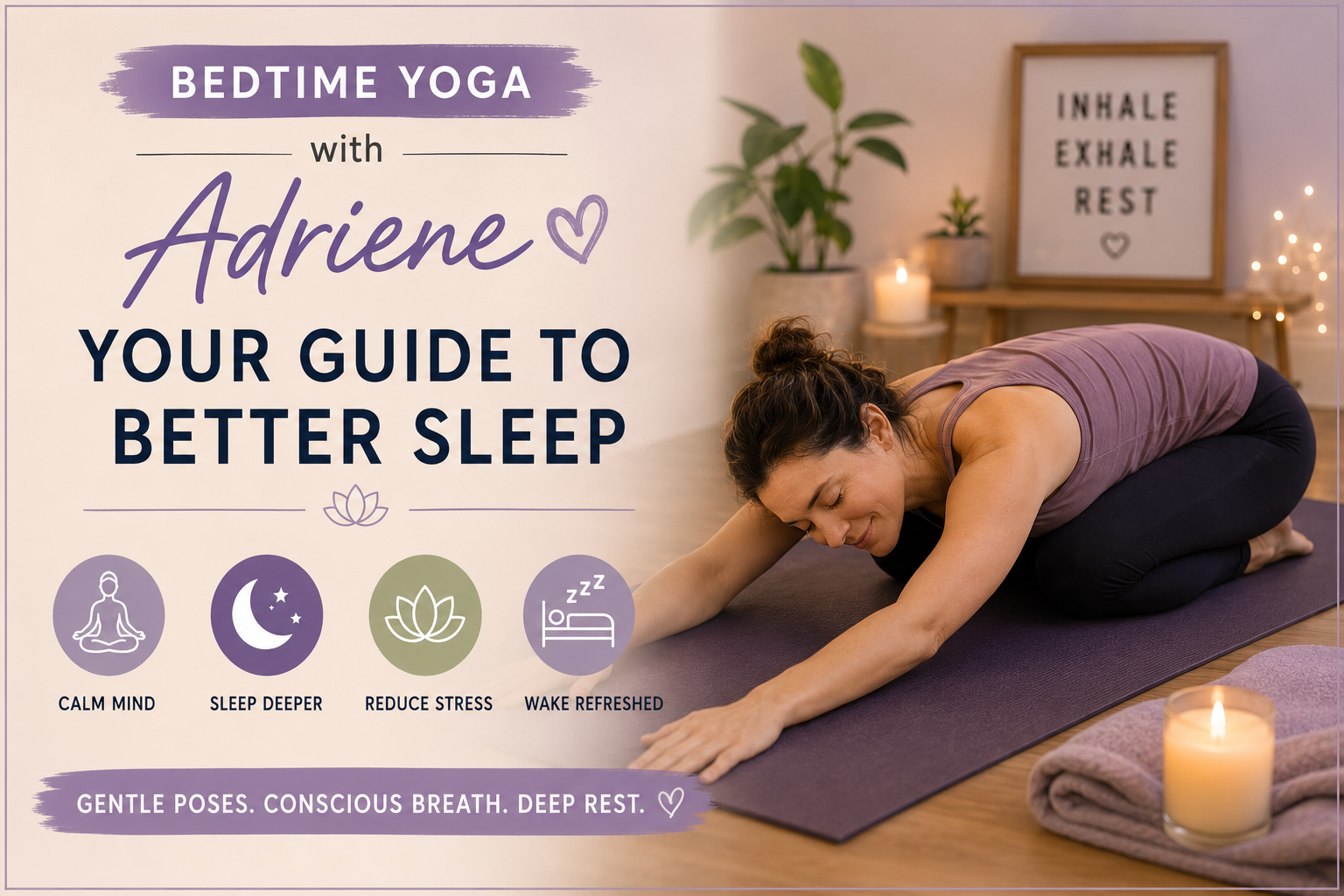
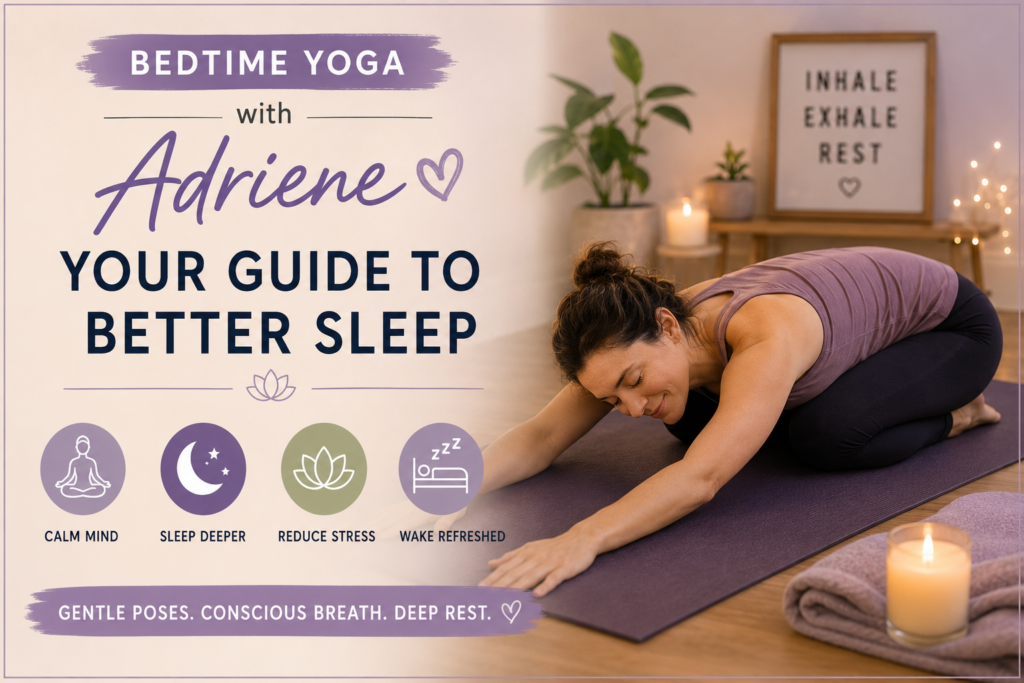
Millions of people lie awake at night, minds racing, bodies tense — and a surprising number of them have found relief not in a pill bottle, but in a 20-minute YouTube video. Bedtime yoga with Adriene has become a genuine sleep ritual for people across the globe, and for good reason.
Who is Adriene Mishler and Why Her Approach Matters
Adriene Mishler is the Austin-based yoga teacher and co-founder of the Yoga With Adriene channel, which has grown to over 12 million subscribers. What sets her apart isn’t celebrity status — it’s her “Find What Feels Good” philosophy. Rather than pushing perfection or performance, Adriene consistently invites practitioners to tune inward, making her style especially effective for winding down. NIH NCCIH studies on yoga and sleep quality NIH NCCIH confirm that gentle, mindfulness-based yoga practices meaningfully improve sleep onset and overall rest — exactly what Adriene’s bedtime sequences deliver.
The Rise of Yoga With Adriene’s Bedtime Content
Her dedicated sleep and bedtime videos regularly accumulate tens of millions of views, reflecting a broader shift toward accessible, at-home wellness. For anyone already exploring best yoga poses for stress relief as part of a calming routine, Adriene’s bedtime-specific sequences offer a natural, deeply restorative next step.
The Science Behind Bedtime Yoga for Sleep
How Yoga Activates the Parasympathetic Nervous System
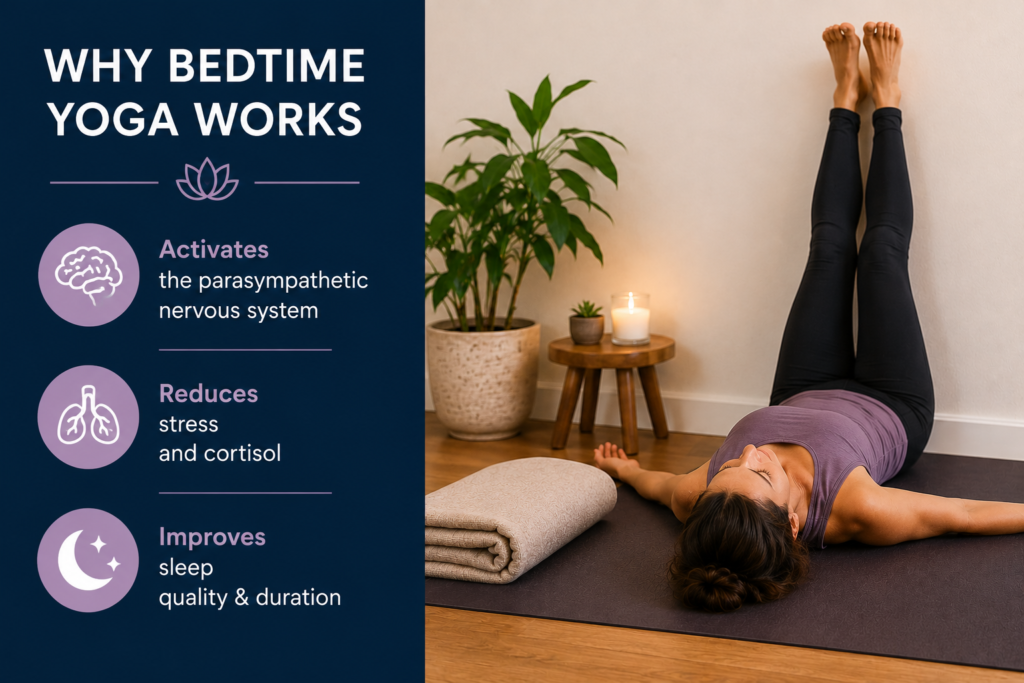
One of the core reasons bedtime yoga works is its direct influence on the autonomic nervous system. Slow, deliberate movement signals the body to shift from sympathetic dominance — the “fight or flight” state that keeps you wired after a stressful day — into parasympathetic mode, often called “rest and digest.” This shift lowers cortisol levels, reduces heart rate, and relaxes muscle tension, creating the physiological conditions your body needs to fall asleep naturally. For a broader look at how this mechanism supports overall health, see our guide on best yoga poses for stress relief.
Breathwork and Sleep Quality
Conscious breathing is central to Adriene’s approach, and for good reason. Extended exhales in particular stimulate the vagus nerve, which plays a key role in calming the nervous system. Techniques like slow diaphragmatic breathing or extended exhale ratios have been shown to reduce physiological arousal, making sleep onset faster and sleep quality deeper. Even five minutes of intentional breathwork before bed can meaningfully shift your body’s readiness for rest.
Evidence-Based Benefits of Bedtime Yoga
Mayo Clinic guidance on yoga for insomnia and sleep disorders Mayo Clinic supports yoga as a complementary approach for improving sleep, particularly for those dealing with stress-related sleeplessness. Research suggests regular practice can improve both sleep duration and efficiency. The benefits are cumulative — consistency matters more than any single session.
Preparing for Your Bedtime Yoga Practice
Creating the Ideal Sleep Environment
To get the most out of your bedtime yoga with Adriene practice, set the stage for relaxation. Dim the lights in your room, and consider using calming scents like lavender. Minimize distractions by turning off notifications on your phone and letting others in your household know you need quiet time. A peaceful environment signals to your brain that it’s time to wind down, enhancing the sleep-inducing effects of the yoga.
Timing Your Practice for Maximum Benefit
Aim to practice your bedtime yoga at least 30-60 minutes before you plan to sleep. This allows your body and mind sufficient time to transition from activity to rest. Practicing too close to bedtime might leave you feeling energized rather than relaxed. Consistent timing can help regulate your body’s natural sleep-wake cycle, a key benefit supported by Harvard Health research on parasympathetic nervous system activation through yoga PubMed.
Props and Setup Recommendations
While many of Adriene’s bedtime routines require minimal equipment, a few items can enhance comfort and deepen your practice. A comfortable, supportive surface is key. Many poses involve floor work, so a good yoga mat can make a significant difference, providing cushioning and preventing slips. If you experience knee discomfort in poses like child’s pose, a folded blanket or bolster can be helpful. Ensure you have enough space to move freely without bumping into furniture.
Top Yoga With Adriene Bedtime Routines Compared
Best for Beginners: 7-Minute Flows
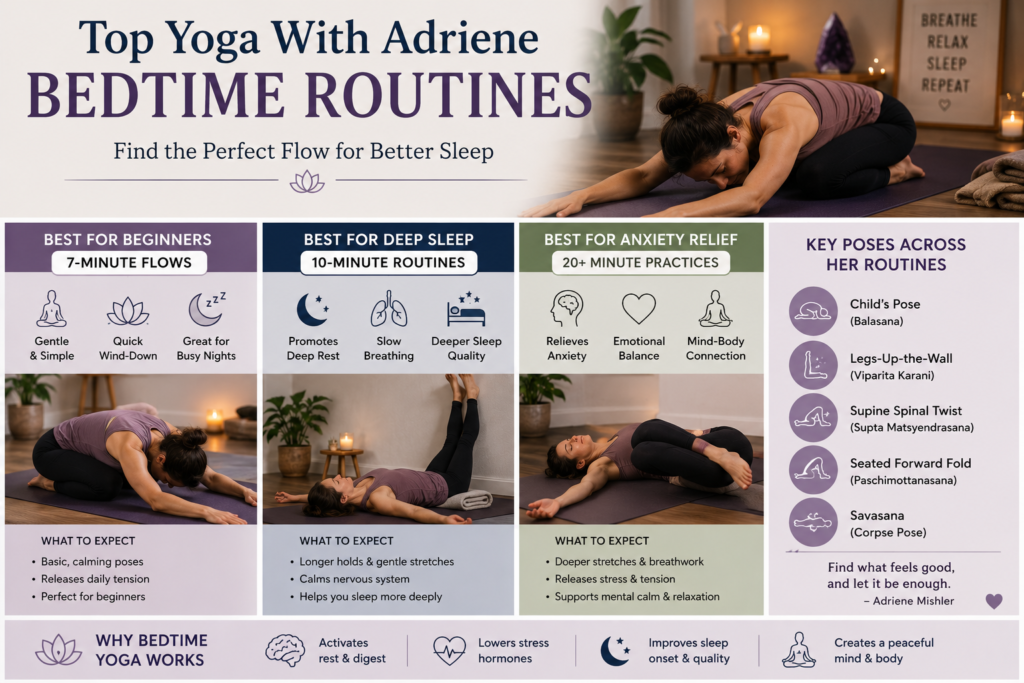
For those new to yoga or looking for a quick wind-down, Adriene’s shorter routines are ideal. These 7-minute flows typically focus on gentle stretches and basic poses designed to release physical tension accumulated throughout the day. Expect simple movements like cat-cow, child’s pose, and gentle twists. They are perfect for fitting into even the busiest schedules and provide a gentle introduction to bedtime yoga with Adriene.
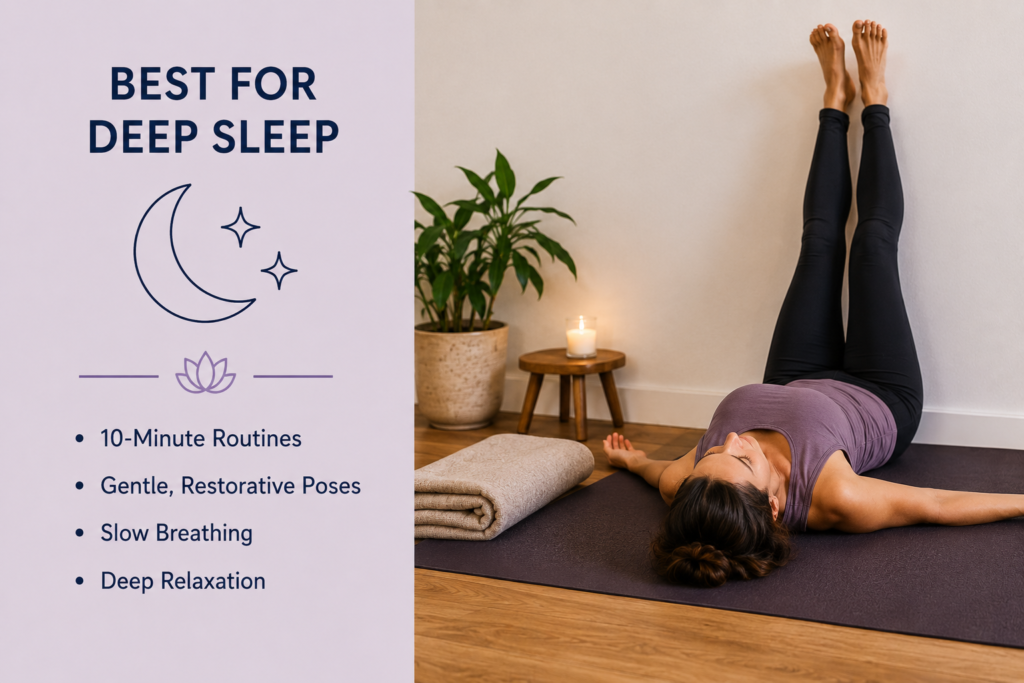
Best for Deep Sleep: 10-Minute Routines
When you’re aiming for truly restorative sleep, Adriene’s 10-minute routines often incorporate slightly more grounding and calming elements. These might include longer holds in poses like legs-up-the-wall or supported bridge pose, encouraging a deeper sense of relaxation. The pacing is usually slower, allowing more time for breath awareness, which is crucial for signaling to your body that it’s time to rest. PubMed studies on pranayama (breathwork) and sleep onset latency show its effectiveness Harvard Health.
Best for Anxiety Relief: Longer 20+ Minute Practices
For individuals struggling with racing thoughts or significant anxiety, Adriene offers longer bedtime yoga practices, often 20 minutes or more. These extended sessions allow for a more immersive experience, incorporating deeper stretches, longer periods of breathwork, and often guided relaxation or meditation. The extended duration helps to fully shift your focus away from stressors and cultivate a profound sense of peace, making them excellent for managing stress and promoting mental calm Best Yoga Poses for Stress Relief: Science-Backed Sequences for Immediate Calm.
Analyzing Key Poses Across Her Routines
Across her various bedtime yoga sessions, certain poses consistently appear due to their effectiveness in promoting sleep. Child’s Pose (Balasana) is a frequent feature, offering a gentle inversion and a sense of surrender. Supine Spinal Twists are excellent for releasing tension in the back and promoting digestion, which can aid sleep. Legs-Up-the-Wall Pose (Viparita Karani) is a staple for its restorative benefits, calming the nervous system and reducing leg fatigue. Gentle forward folds, like Seated Forward Bend (Paschimottanasana), also contribute to a sense of calm and introspection.
The Role of Adriene’s Teaching Style in Sleep Readiness
What separates Adriene Mishler’s bedtime content from a generic relaxation video isn’t just the poses — it’s the deliberate way she guides you into them. Her teaching methodology is specifically calibrated to lower mental arousal, which is precisely what sleep preparation requires.
Intentional Cueing and Mindfulness Integration
Adriene consistently layers breath awareness into every transition, prompting you to notice sensations rather than perform shapes. This interoceptive focus — tuning inward rather than outward — activates the parasympathetic nervous system. Cleveland Clinic resources on complementary therapies for sleep Mayo Clinic Yoga highlight that mindfulness-based practices reduce pre-sleep cognitive arousal, the racing thoughts that most commonly delay sleep onset. Adriene’s verbal cues essentially do this work automatically.
How Her Vibe Supports Nervous System Downregulation
Her unhurried pacing, conversational tone, and permission-giving language (“take what feels good”) remove performance pressure entirely. This matters because anxiety about doing yoga correctly is itself stimulating. By dissolving that tension, her style becomes a reliable on-ramp to calm. For those managing stress-related sleep disruption, our guide on Best Yoga Poses for Stress Relief: Science-Backed Sequences for Immediate Calm offers complementary techniques.
The Psychological Impact of Consistency
Returning to the same familiar voice nightly creates a conditioned relaxation response over time. Your nervous system begins associating Adriene’s cues with sleep, making the practice progressively more effective — a genuine behavioral anchor for better rest.
Specific Poses and Breathwork Techniques
Essential Poses for Sleep
Adriene’s bedtime flows often feature restorative poses designed to calm the nervous system. Child’s Pose (Balasana) gently stretches the back and hips, promoting a sense of grounding. Legs-Up-the-Wall Pose (Viparita Karani) is excellent for improving circulation and reducing leg fatigue, while a Supported Reclined Twist aids digestion and spinal release.
Modifications for Different Fitness Levels and Physical Limitations
Adriene consistently emphasizes listening to your body, and her routines offer ample room for modification. For poses like Child’s Pose, placing a Supportive Pillow or Bolster between your hips and heels can enhance comfort and accessibility. Similarly, for twists, using props can provide gentle support and deepen the stretch safely. These adaptations ensure that bedtime yoga is accessible to everyone, regardless of their physical condition or experience level.
Pranayama Techniques in Adriene’s Bedtime Flows
Beyond the physical postures, breathwork, or pranayama, is central to Adriene’s approach to sleep readiness. You’ll often find guided diaphragmatic breathing, which involves deep, slow inhales and exhales that engage the belly. This type of breathwork is known to activate the parasympathetic nervous system, signaling the body to relax and prepare for rest. Focusing on the breath helps quiet the mind and release accumulated tension from the day, contributing to overall stress relief Best Yoga Poses for Stress Relief: Science-Backed Sequences for Immediate Calm.
Maximizing Sleep Benefits: Practical Tips
Frequency and Consistency for Best Results
To truly harness the power of bedtime yoga with Adriene for better sleep, consistency is key. Aim to practice at least 3-5 times per week, ideally at the same time each evening. This helps establish a regular sleep-wake cycle and signals to your body that it’s time to wind down. Think of it as building a bridge to sleep, one gentle stretch at a time. For those who find it helpful to track their progress or set reminders, a dedicated can be a great companion tool.
Troubleshooting Restlessness During Practice
If you find yourself restless or your mind is still racing, don’t get discouraged. Gently acknowledge the thoughts without judgment and redirect your focus back to your breath or the instructor’s guidance. Sometimes, a slightly more restorative pose or a longer period of stillness at the end of the practice can help. Remember, the goal isn’t perfection, but presence.
Integrating Bedtime Yoga into a Complete Sleep Hygiene Routine
Bedtime yoga is a powerful tool, but it works best as part of a broader sleep hygiene strategy. Ensure your bedroom is dark, quiet, and cool. Avoid screens for at least an hour before bed, and consider a light, calming snack if hunger is an issue. For individuals managing specific health concerns, understand how practices like yoga can complement medical advice; for instance, see our guide on.
What to Do If You Still Can’t Fall Asleep
If you’ve practiced consistently and still struggle with sleep, it’s important to consult a healthcare professional to rule out underlying medical conditions. Sometimes, a few minutes of gentle stretching off the mat, or simply reading a book in dim light, can help ease you into sleep when yoga alone isn’t quite enough.
Common Questions About Bedtime Yoga with Adriene
FAQ Section (Structured for Schema)
How long should a bedtime yoga session be? Most of Adriene’s sleep-focused videos run between 20 and 40 minutes — enough to meaningfully calm the nervous system without keeping you up past your ideal bedtime.
Is bedtime yoga suitable for complete beginners? Absolutely. Adriene’s accessible cuing and gentle pacing make her routines ideal for those new to yoga. If stress is a driving factor behind your sleep troubles, our guide on best yoga poses for stress relief offers additional foundational context.
How soon will I notice results? Many practitioners report falling asleep faster within the first week of consistent practice. Sleep quality improvements typically deepen over four to six weeks Cleveland Clinic.
About the Author

Pratham Bavkar — Wellness Researcher · Founder, Yoga Therapy Guide
Pratham Bavkar is the founder of Yoga Therapy Guide and a wellness researcher focused on yoga therapy, mobility, and posture health. He creates evidence-based, beginner-friendly guides on yoga poses, stretching routines, and natural wellness practices to help readers improve daily health naturally.