What Is Vinyasa Yoga?
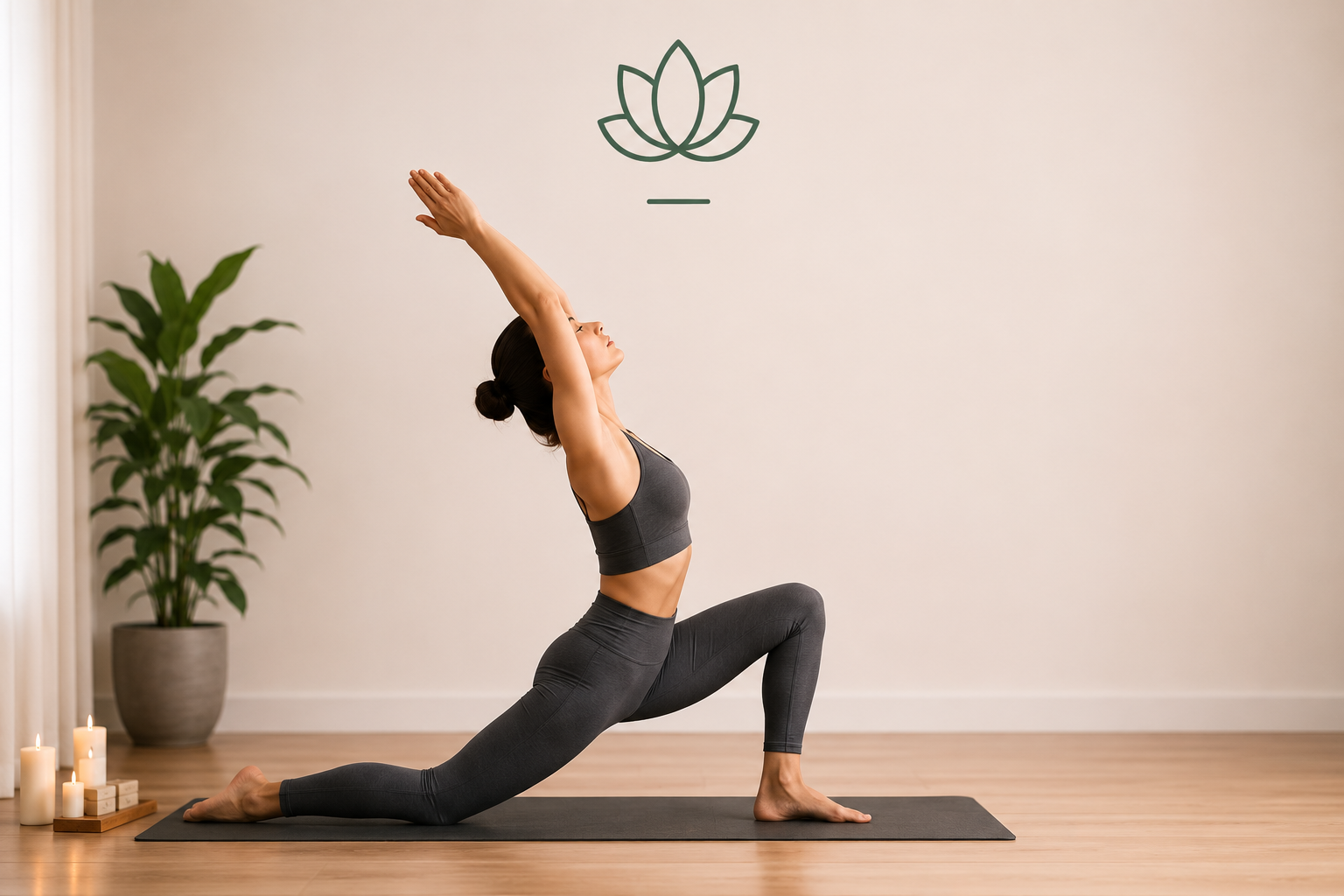
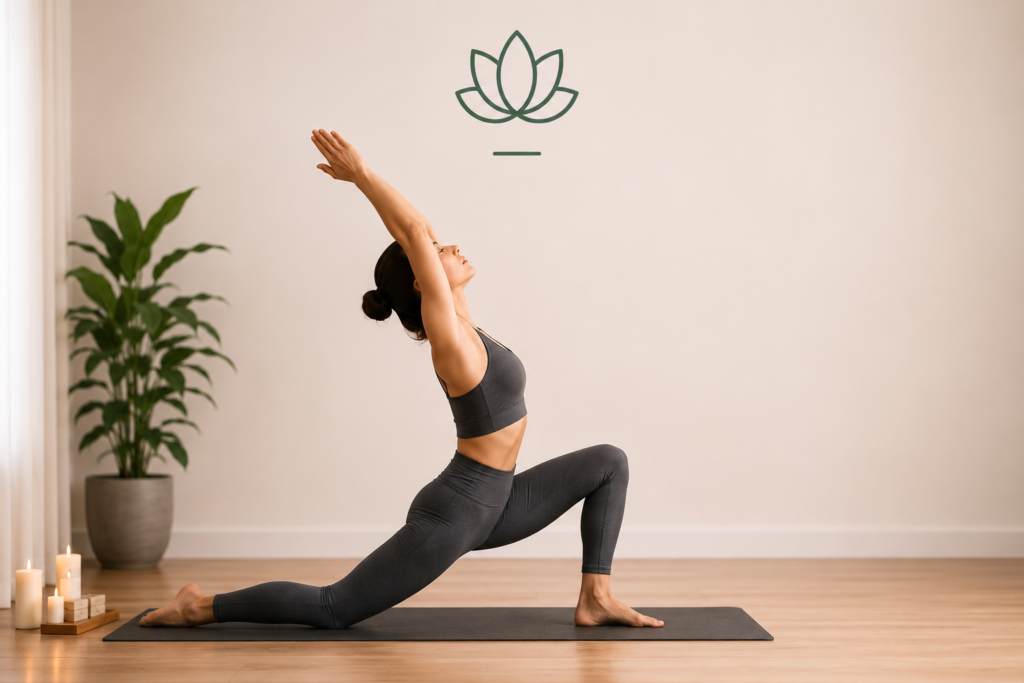
At its heart, vinyasa yoga is a dynamic style of practice that links physical movement to the rhythm of the breath. Unlike static forms of yoga where poses are held independently, vinyasa creates a continuous, flowing sequence — each inhale and exhale acting as a bridge between one posture and the next. The word “vinyasa” itself comes from the Sanskrit vi (in a special way) and nyasa (to place), suggesting intentional, mindful placement of the body rather than random motion.
The Core Definition and Philosophy
Vinyasa yoga is grounded in the belief that movement and consciousness are inseparable. Each transition carries as much meaning as the pose itself, encouraging practitioners to stay fully present rather than simply arriving at a destination. This philosophy transforms a physical workout into a moving meditation.
The Role of Breath in Vinyasa Flow
Breath is the non-negotiable foundation of vinyasa. Practitioners typically use ujjayi breathing — a soft, audible breath through the nose — to regulate pace, build internal heat, and anchor attention. NIH NCCIH research on yoga and cardiovascular health NIH NCCIH highlights how controlled breathing during movement supports heart rate regulation and stress reduction, giving vinyasa measurable physiological benefits beyond flexibility.
Historical Context and Evolution
Vinyasa evolved largely from the Ashtanga tradition developed by Sri K. Pattabhi Jois in 20th-century Mysore, India. Western teachers gradually adapted its structured sequences into the more fluid, creative classes widely practiced today. If you’re exploring how vinyasa compares to other movement disciplines, our guide on Yoga vs. Pilates: Complete Comparison Guide for Your Fitness Goals offers a useful side-by-side perspective.
How Vinyasa Differs from Other Yoga Styles
Vinyasa vs. Ashtanga Yoga
While both styles emphasize flow and breath, Ashtanga follows a specific, set sequence of poses that doesn’t change from class to class. Vinyasa, on the other hand, is much more dynamic and creative, with sequences varying based on the instructor and the class’s intention. This makes Vinyasa a great choice if you enjoy variety and improvisation.
Vinyasa vs. Hatha Yoga
Hatha yoga is often considered the foundational style from which many others, including Vinyasa, have evolved. Hatha classes typically move at a slower pace, holding poses for several breaths to focus on alignment and mindful awareness. Vinyasa offers a more vigorous, flowing experience, linking breath to movement in a continuous sequence. If you’re new to yoga or prefer a gentler approach, Hatha might be a good starting point, but Vinyasa can also be adapted for beginners.
Vinyasa vs. Power Yoga
Power Yoga is essentially a more athletic and fitness-oriented take on Vinyasa. While both are fast-paced and challenging, Power Yoga often emphasizes strength-building and may incorporate more advanced poses. Vinyasa, while still potentially intense, can offer a broader range of intensity and focus, sometimes including more restorative elements. Both can contribute to stress reduction, as supported by Mayo Clinic studies on yoga for stress reduction and mental health Mayo Clinic.
What to Expect in Your First Vinyasa Class
Class Structure and Pacing
Your first vinyasa yoga class will likely feel dynamic and flowing. Unlike more static styles, vinyasa synchronizes breath with movement, creating a continuous sequence. Expect a warm-up, a series of sun salutations, and then a progression of standing and seated poses, often linked together. The pace can vary, but most beginner classes aim for clarity over speed, allowing you to absorb the movements.
Common Poses and Transitions
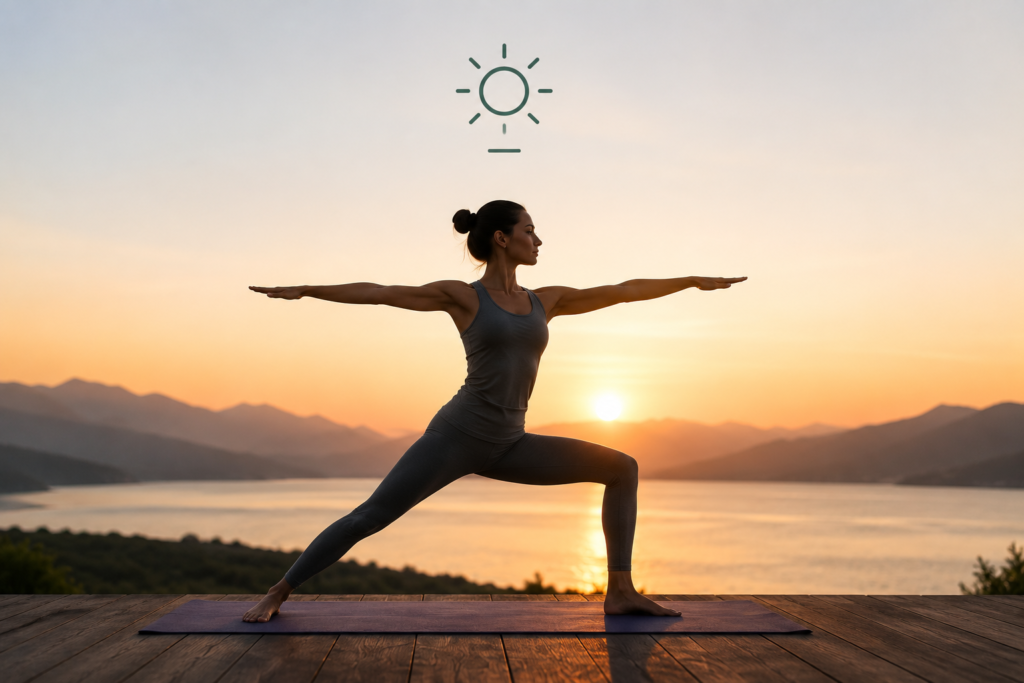
You’ll encounter familiar poses like Downward-Facing Dog, Warrior II, and Triangle Pose, but also learn how to transition smoothly between them. Expect sequences like moving from Plank to Chaturanga (a push-up variation) to Upward-Facing Dog and back to Downward-Facing Dog. The breath is key here, guiding each inhale and exhale through the transitions.
Modifications for Beginners
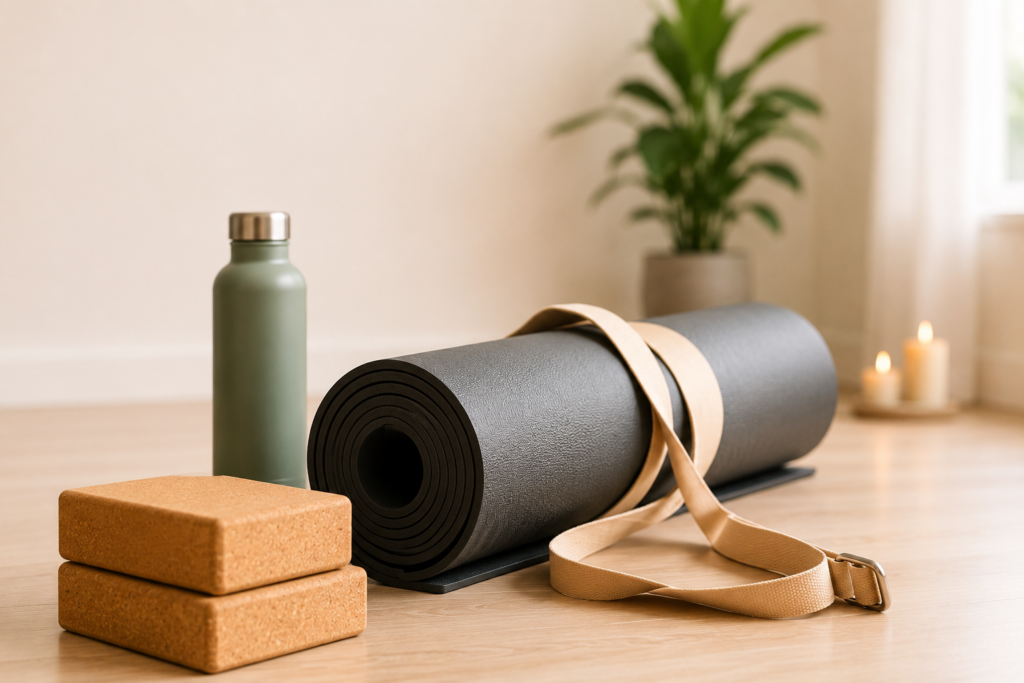
Don’t worry if you can’t do every pose perfectly. A good instructor will offer modifications. Using props like blocks or straps can make poses more accessible and safer. Investing in a quality non-slip yoga mat, perhaps as part of a beginner’s bundle, can also provide crucial stability, especially when exploring new movements. Remember, yoga is about progress, not perfection. The flexibility and strength benefits, as highlighted by Harvard Health findings PubMed, develop over time.
Tips for Navigating Your First Session
Arrive a few minutes early to settle in and speak with the instructor about being new. Listen to your body; it’s okay to rest in Child’s Pose if needed. Focus on your breath, as it’s your anchor. If you’re looking for ways to manage stress, exploring sequences for immediate calm can be a great starting point Best Yoga Poses for Stress Relief: Science-Backed Sequences for Immediate Calm.
The Physical Health Benefits of Vinyasa Yoga
Cardiovascular and Strength Benefits
Vinyasa yoga, often called “flow” yoga, is a dynamic practice that synchronizes breath with movement. This continuous motion elevates your heart rate, providing a cardiovascular workout that can improve heart health and stamina. The constant engagement of muscles throughout various poses also builds functional strength, toning your body without the need for external weights. For those managing conditions like high blood pressure, incorporating vinyasa yoga can be a beneficial part of a comprehensive management plan.
Flexibility and Mobility Gains
One of the most celebrated benefits of vinyasa yoga is its ability to significantly enhance flexibility and joint mobility. The flowing sequences encourage a full range of motion, gradually lengthening muscles and improving the suppleness of connective tissues. This increased flexibility can alleviate stiffness and reduce the risk of injury in daily activities.
Posture and Alignment Improvements
As you move through vinyasa sequences, there’s a strong emphasis on proper body alignment. This mindful attention to how you hold your body helps to correct postural imbalances caused by prolonged sitting or repetitive motions. Over time, this can lead to reduced back pain and a more confident, upright stance. Always listen to your body and consider modifications as advised in Cleveland Clinic guidance on yoga safety and modifications Harvard Health.
Weight Management and Metabolism
The vigorous nature of vinyasa yoga can contribute to calorie expenditure, making it a supportive practice for weight management. Furthermore, by building muscle mass, it can help boost your resting metabolism. A faster metabolism means your body burns more calories even when you’re at rest, aiding in long-term weight control.
Vinyasa Yoga for Mental Health and Stress Relief
The Mind-Body Connection in Flow
While the dynamic nature of vinyasa yoga might seem counterintuitive for stress relief, its true power lies in the profound mind-body connection it cultivates. By synchronizing breath with movement, vinyasa encourages a state of present moment awareness, effectively drawing your attention away from mental chatter and anxieties. This focus on the physical experience helps to quiet the nervous system, promoting a sense of calm that can carry beyond the mat.
Managing Intensity: Finding Calm Within Dynamism
It’s true that vinyasa can be physically demanding. The key to using it for mental well-being is learning to find stillness within the movement. Instead of pushing yourself to exhaustion, focus on the quality of each pose and transition. Listen to your body, modify poses as needed, and remember that your practice is not a competition. This mindful approach to intensity is crucial for stress reduction and can be a powerful tool in managing conditions like those discussed in our guide on Yoga for High Blood Pressure.
Pranayama and Mental Clarity
Incorporating specific breathing techniques, or pranayama, is essential. Practices like Ujjayi breath, often used in vinyasa, not only build internal heat but also have a calming effect on the mind. PubMed peer-reviewed studies on pranayama and nervous system regulation demonstrate its effectiveness in reducing stress hormones and promoting relaxation Mayo Clinic Yoga. Even short periods of focused breathing can significantly enhance mental clarity.
Building a Sustainable Practice
Consistency is more important than intensity when it comes to mental health benefits. Start with shorter, gentler vinyasa sessions and gradually increase the duration or intensity as you feel comfortable. Prioritize finding a style and pace that resonates with you. A sustainable practice, focused on mindfulness and self-compassion, will yield the greatest rewards for your mental and emotional well-being.
Is Vinyasa Yoga Suitable for Beginners?
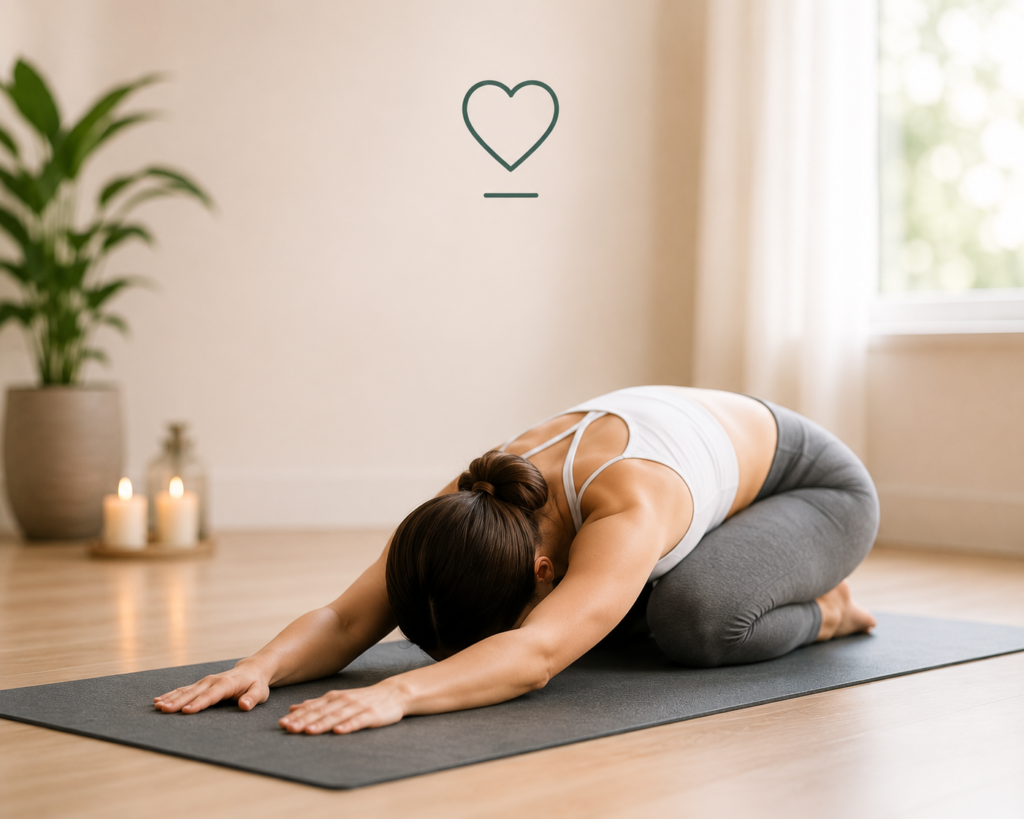
Vinyasa yoga can absolutely work for beginners — with the right approach. The dynamic, flowing nature of the practice does require some physical awareness, but most poses have accessible modifications that make entry-level participation realistic and safe.
Beginner-Friendly Modifications
Common adaptations include dropping to the knees in plank and chaturanga, using blocks to shorten standing poses, and stepping (rather than jumping) between positions. These aren’t shortcuts — they’re smart progressions that protect joints while you build foundational strength.
Building Strength and Confidence Gradually
Consistency matters more than intensity early on. Attending two or three classes per week allows your body to adapt without overloading it. If you’re also managing stress or anxiety, pairing vinyasa with gentler practices can help — see our guide on best yoga poses for stress relief.
Finding the Right Class Level
Look specifically for classes labeled “beginner,” “level 1,” or “slow flow.” Avoid “advanced flow” or “power vinyasa” until you’re comfortable with sun salutations and basic standing sequences.
When to Seek a Qualified Instructor
Anyone with joint injuries, cardiovascular conditions, or significant physical limitations should consult both a healthcare provider and a registered yoga teacher (RYT-200 or higher) before starting. A qualified instructor can tailor modifications to your specific needs and reduce injury risk meaningfully.
Common Vinyasa Sequences and Their Purpose
The Sun Salutation Foundation
Vinyasa yoga is built upon the foundation of Sun Salutations (Surya Namaskar). These flowing sequences link breath with movement, typically involving poses like Mountain Pose, Forward Fold, Halfway Lift, Plank, Chaturanga, Upward-Facing Dog, and Downward-Facing Dog. Their primary purpose is to warm the body, build internal heat, and prepare the muscles for deeper poses. Regular practice of Sun Salutations can significantly improve cardiovascular health and flexibility.
Warrior Flow Sequences
Warrior sequences, often incorporating poses like Warrior I, Warrior II, and Warrior III, are designed to build strength, stability, and confidence. These flows emphasize grounding through the feet, engaging the core, and opening the hips and chest. They are excellent for developing physical power and a sense of empowerment.
Sequences for Mental Clarity vs. Energy
Vinyasa sequences can be tailored to specific intentions. Flows that emphasize gentle movements, longer holds, and mindful breathing can promote mental clarity and calm, similar to practices discussed in our guide on Best Yoga Poses for Stress Relief: Science-Backed Sequences for Immediate Calm. Conversely, sequences with faster tempos, more expansive poses, and invigorating breathwork can boost energy levels.
Cool-Down and Restorative Flows
Concluding a vinyasa practice with cool-down and restorative poses is crucial. This phase often includes gentle twists, hip openers, and forward folds, followed by Savasana (Corpse Pose). The purpose here is to gradually bring the heart rate down, release tension, and allow the body and mind to integrate the benefits of the practice, promoting deep relaxation.
The Spiritual and Energetic Dimensions of Vinyasa
Beyond Physical Benefits
Vinyasa yoga was never designed as pure fitness. Rooted in ancient tantric philosophy, each flowing sequence is considered a moving meditation — a practice of linking breath to consciousness rather than simply body to movement. When practitioners move with genuine awareness, the mat becomes a space for self-inquiry, helping to quiet the mental chatter that dominates daily life.
Chakra Alignment and Energy Flow
Traditional yoga philosophy holds that prana — life-force energy — moves through subtle channels called nadis. Vinyasa sequences are intentionally structured to stimulate and balance the body’s energy centers, or chakras. Heart-opening backbends activate the anahata chakra, grounding standing poses connect you to the root, and inversions are said to redirect energy upward, promoting clarity and vitality.
Meditation Within Movement
For many practitioners, vinyasa offers something seated meditation cannot: a way to anchor a restless mind through physical sensation. The rhythmic synchronisation of breath and movement creates a flow state that researchers increasingly recognise as deeply restorative. If stress relief is a primary goal, pairing your practice with restorative techniques covered in our guide on best yoga poses for stress relief can deepen these energetic benefits considerably.
About the Author

Pratham Bavkar — Wellness Researcher · Founder, Yoga Therapy Guide
Pratham Bavkar is the founder of Yoga Therapy Guide and a wellness researcher focused on yoga therapy, mobility, and posture health. He creates evidence-based, beginner-friendly guides on yoga poses, stretching routines, and natural wellness practices to help readers improve daily health naturally.