Introduction: Why Breathing Exercises for Sleep?
Millions of people lie awake each night, staring at the ceiling, unable to quiet a racing mind. According to the Sleep Foundation Sleep Foundation, roughly one in three adults regularly struggle to get adequate, restorative sleep — a crisis with real consequences for mental health, metabolism, and longevity. Yet many solutions feel either out of reach (medication, expensive devices) or simply ineffective. Breathing exercises offer something different: a free, always-available tool that works with your body’s own biology.
The Sleep Crisis and Natural Solutions
Poor sleep has become so normalized that many people forget what truly rested feels like. Before reaching for a sleep aid, it’s worth exploring why intentional breathwork consistently outperforms passive relaxation techniques in clinical settings — and why it’s gaining serious scientific attention as a first-line intervention.
How Breathing Connects to Sleep Quality
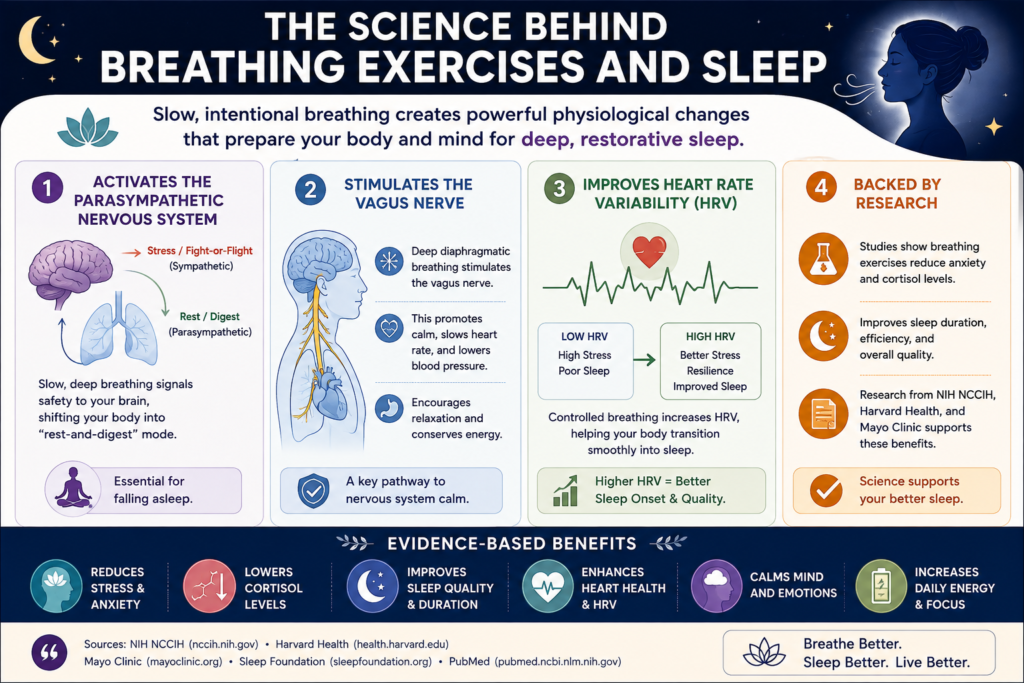
Your breath is the only autonomic function you can consciously control, making it a direct lever on your nervous system. Slow, deliberate breathing activates the vagus nerve, shifting your body from sympathetic “fight-or-flight” mode into parasympathetic “rest-and-digest” calm — the precise physiological state your brain needs to initiate sleep. If you’re already exploring mind-body practices, our guide on Somatic Yoga Exercises for Nervous System Regulation shows how this same principle extends beyond the breath.
The Science Behind Breathing Exercises and Sleep
Activating the Parasympathetic Nervous System
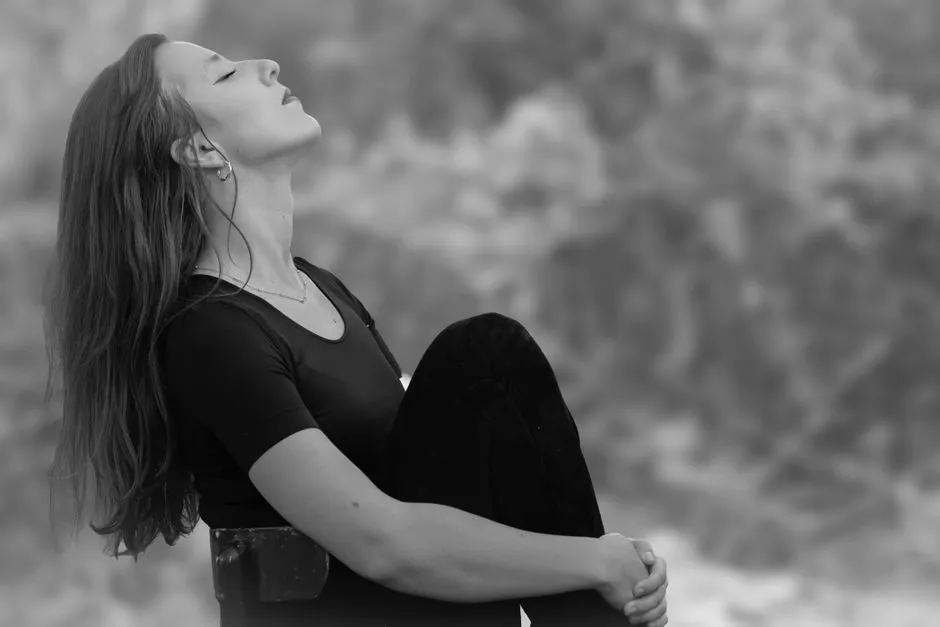
Breathing exercises for sleep are incredibly effective because they directly influence your autonomic nervous system. When you’re stressed, your sympathetic nervous system (your “fight-or-flight” response) is dominant, leading to increased heart rate, shallow breathing, and muscle tension. Consciously slowing and deepening your breath signals to your brain that it’s safe to relax, shifting you into the parasympathetic nervous system’s “rest-and-digest” mode. This transition is crucial for falling asleep.
The Vagus Nerve Connection
A key player in this shift is the vagus nerve, the longest nerve in your body, which connects your brain to many vital organs, including your heart and lungs. Deep, diaphragmatic breathing stimulates the vagus nerve, promoting a sense of calm. This nerve acts as a major communication highway for the parasympathetic response, effectively telling your body to slow down and conserve energy.
Heart Rate Variability and Sleep Onset
Controlled breathing also positively impacts heart rate variability (HRV), a measure of the variation in time between heartbeats. Higher HRV is generally associated with better stress resilience and a more balanced nervous system. By engaging in calming breathing techniques, you can increase your HRV, which in turn facilitates a smoother transition into sleep. This is similar to the nervous system regulation achieved through practices like those found in.
Research Evidence from Sleep Studies
Scientific research supports the efficacy of these techniques. Studies, including those reviewed by the NIH NCCIH (nccih.nih.gov) — for research on yoga, breathing, and sleep outcomes NIH NCCIH — have shown that regular practice of breathing exercises can lead to reduced anxiety, lower cortisol levels, and improved sleep quality. Harvard Health also highlights the benefits of mindful breathing in managing stress and promoting relaxation Mayo Clinic.
Top Breathing Techniques for Sleep: Detailed Comparison
4-7-8 Breathing (Relaxing Breath)
Developed by Dr. Andrew Weil, this technique is designed to calm the nervous system. Inhale quietly through your nose for a count of 4, hold your breath for a count of 7, and exhale completely through your mouth with a whooshing sound for a count of 8. Repeat for up to four cycles. This method is excellent for quieting a racing mind and preparing the body for sleep.
Box Breathing (Square Breathing)
This is a simple yet powerful technique for stress and anxiety reduction. Inhale through your nose for a count of 4, hold your breath for a count of 4, exhale through your nose for a count of 4, and hold the exhale for a count of 4. Continue this pattern. It’s particularly helpful for managing anxiety that may disrupt sleep, as recommended for anxiety-related insomnia by the Mayo Clinic PubMed.
Diaphragmatic Breathing (Belly Breathing)
This technique focuses on engaging the diaphragm, the primary muscle of respiration. Place one hand on your chest and the other on your belly. Inhale deeply through your nose, allowing your belly to rise (your hand on your belly should move outward, while the hand on your chest remains relatively still). Exhale slowly through your mouth, letting your belly fall. This promotes physical relaxation and can alleviate tension held in the body.
Alternate Nostril Breathing (Nadi Shodhana)
This yogic practice is known for its balancing and calming effects. Close your right nostril with your right thumb and inhale through your left nostril. Then, close your left nostril with your right ring finger and exhale through your right nostril. Inhale through your right nostril, close it with your thumb, and exhale through your left nostril. Continue for several minutes. This can be particularly beneficial for sleep when combined with other relaxation practices, such as those found in.
Comparison Table: Which Technique for Your Sleep Issue
For those new to these exercises or who prefer guided instruction, using a guided breathing audio course or app can significantly accelerate habit formation and ensure proper technique. Many apps offer specific sessions tailored to sleep, anxiety, and relaxation.
- Racing Thoughts: 4-7-8 Breathing is highly effective due to its focus on breath retention and exhalation, which signals relaxation to the brain.
- Physical Tension: Diaphragmatic Breathing is ideal for releasing muscle tightness and promoting deep physical relaxation.
- Anxiety: Box Breathing provides a structured, rhythmic approach that can interrupt anxious thought loops and ground you.
- Overall Balance: Alternate Nostril Breathing offers a holistic approach to calming the mind and body.
Matching Breathing Exercises to Your Sleep Problem
For Racing Thoughts and Mental Chatter
When your mind won’t switch off, a simple, rhythmic breath can be your anchor. Techniques like the 4-7-8 breath, which involves a longer exhale, can help signal to your brain that it’s time to wind down. This practice encourages the activation of the parasympathetic nervous system, often referred to as the “rest and digest” system. Harvard Health (health.harvard.edu) highlights research on the vagus nerve and its role in this calming response Harvard Health.
For Physical Tension and Muscle Tightness
If you carry stress in your body, focus on exercises that release physical tension. Diaphragmatic breathing, or belly breathing, encourages deeper, more relaxed breaths. This can be particularly helpful if you’ve found relief through practices like those in our guide on yoga for pain relief. Consciously expanding your abdomen with each inhale and allowing it to soften with each exhale can release tightness in the chest and shoulders.
For Anxiety and Panic
For those whose insomnia is driven by anxiety or panic, gentle, grounding techniques are key. Box breathing, where each phase of the breath (inhale, hold, exhale, hold) is of equal duration, provides a structured focus. This can be incredibly effective for calming a racing heart and a sense of unease, aligning with guidance from the Mayo Clinic on managing anxiety-related insomnia World Health Organization.
For Difficulty Falling Asleep
When the primary issue is simply struggling to drift off, a technique that promotes relaxation without being overly stimulating is ideal. Alternate nostril breathing (Nadi Shodhana) is a balancing practice that can harmonize the body’s energy and prepare you for sleep. It’s a gentle way to quiet the nervous system and ease the transition into slumber.
Integrating Breathing Exercises into Your Sleep Routine
Timing: When to Practice
The most effective time to practice breathing exercises for sleep is in the hour leading up to bedtime. This allows your body and mind to wind down. Consistency is key; aim for daily practice rather than sporadic sessions. You might also find a brief session upon waking beneficial for setting a calm tone for the day.
Duration and Frequency for Results
Most people begin to notice improvements within 2 to 4 weeks of consistent practice. Start with 5-10 minutes per session, gradually increasing to 15-20 minutes as you feel comfortable. Practicing once or twice daily is generally recommended for optimal results. Monitoring your progress with a sleep tracking app or wearable can help you see how these exercises impact your heart rate variability and overall sleep quality, providing motivation along the way.
Combining with Sleep Hygiene Basics
Breathing exercises are a powerful addition to a solid sleep hygiene routine. Ensure your bedroom is dark, quiet, and cool. Limit caffeine and alcohol intake, especially in the evening. Avoid heavy meals close to bedtime. Integrating breathing exercises with these established practices creates a synergistic effect, enhancing your body’s natural sleep signals. For related techniques that calm the nervous system, explore.
Building a Habit: 30-Day Implementation Plan
Week 1: Foundation. Practice one 5-minute breathing exercise nightly. Focus on simply establishing the routine.
Week 2: Consistency. Increase to 7-10 minutes. Try a different technique if desired.
Week 3: Deepening. Aim for 10-15 minutes. Notice how your body responds.
Week 4: Integration. Practice 15-20 minutes, perhaps adding a morning session. Continue tracking progress. Studies on heart rate variability and controlled breathing, often found on platforms like PubMed (pubmed.ncbi.nlm.nih.gov) Sleep Foundation, support the physiological benefits of this consistent approach.
Common Myths and Troubleshooting
Myth: Breathing Exercises Work Instantly
Many people try a breathing technique once, feel no different, and abandon it entirely. In reality, consistent practice over days or weeks is typically needed before the nervous system reliably responds. Think of it like any skill — the calming effect deepens as the habit becomes ingrained.
Myth: One Technique Works for Everyone
Sleep struggles are highly individual. Anxiety-driven insomnia, chronic pain, and racing thoughts each respond differently to various approaches. If 4-7-8 breathing feels frustrating, box breathing or slow diaphragmatic breathing may suit you better. Experimentation is not failure — it’s part of finding your fit. For those whose sleep issues intersect with physical tension, our guide on somatic yoga exercises for nervous system regulation explores complementary approaches.
Troubleshooting: Dizziness or Discomfort
Lightheadedness during breathing exercises usually signals over-breathing or breath-holding that’s too prolonged. Shorten your exhale, breathe more naturally, and always practice seated or lying down. If discomfort persists, stop and return to normal breathing. The Mayo Clinic NIH NCCIH advises beginning with shorter sessions and gradually increasing duration as tolerance builds.
When Breathing Exercises Aren’t Suitable (Contraindications)
Breathing exercises are generally safe, but people with COPD, severe asthma, panic disorder, or cardiovascular conditions should consult a qualified healthcare provider before practicing techniques that involve breath retention or extended exhalations. Manipulating breath patterns without guidance can occasionally worsen anxiety in those prone to panic. Always prioritize professional advice when any underlying health condition is present.
Real Success Stories and Long-Term Benefits
Case Study: Chronic Insomnia Improvement
Many users report significant improvements. One individual, struggling with chronic insomnia for years, found relief after consistently practicing diaphragmatic breathing for 15 minutes each night. They described a noticeable reduction in racing thoughts and a greater ability to fall asleep faster.
Long-Term Benefits Beyond Sleep
The advantages extend further. Consistent practice of these breathing exercises for sleep can lead to reduced overall anxiety, improved mood, and even better heart rate variability (HRV) Mayo Clinic. This indicates a more resilient nervous system.
Habit Formation and Consistency
Like any skill, the benefits of breathing exercises compound with regular practice. Making these exercises a non-negotiable part of your evening routine, similar to winding down with Bedtime Yoga with Adriene, is crucial. Over weeks and months, this consistency cultivates lasting changes in your sleep quality and overall well-being.
Conclusion and Next Steps
Your Personalized Breathing Blueprint
Better sleep through breathwork isn’t a distant goal — it’s a skill you can begin building tonight. The core message throughout this guide is simple: choose one technique, commit to practicing it for two weeks, and track your results. Whether you gravitate toward 4-7-8 breathing for racing thoughts, box breathing for stress, or diaphragmatic breathing for general relaxation, consistency matters far more than perfection. Start with just five minutes before bed and let the habit grow naturally from there.
Resources for Continued Learning
Guided audio apps like Insight Timer, Calm, or Headspace offer structured breathing sessions that can support your practice, especially in the early weeks when building the habit feels challenging. If you’d like to deepen your mind-body toolkit beyond breathwork, our guide on Bedtime Yoga with Adriene: The Complete Guide to Better Sleep pairs beautifully with these techniques for a complete pre-sleep wind-down routine.
Ready to transform your nights? Download our free Personalized Sleep Breathing Blueprint or join our email list for weekly evidence-based sleep strategies delivered straight to your inbox.
About the Author

Pratham Bavkar — Wellness Researcher · Founder, Yoga Therapy Guide
Pratham Bavkar is the founder of Yoga Therapy Guide and a wellness researcher focused on yoga therapy, mobility, and posture health. He creates evidence-based, beginner-friendly guides on yoga poses, stretching routines, and natural wellness practices to help readers improve daily health naturally.