What Is Goat Yoga?
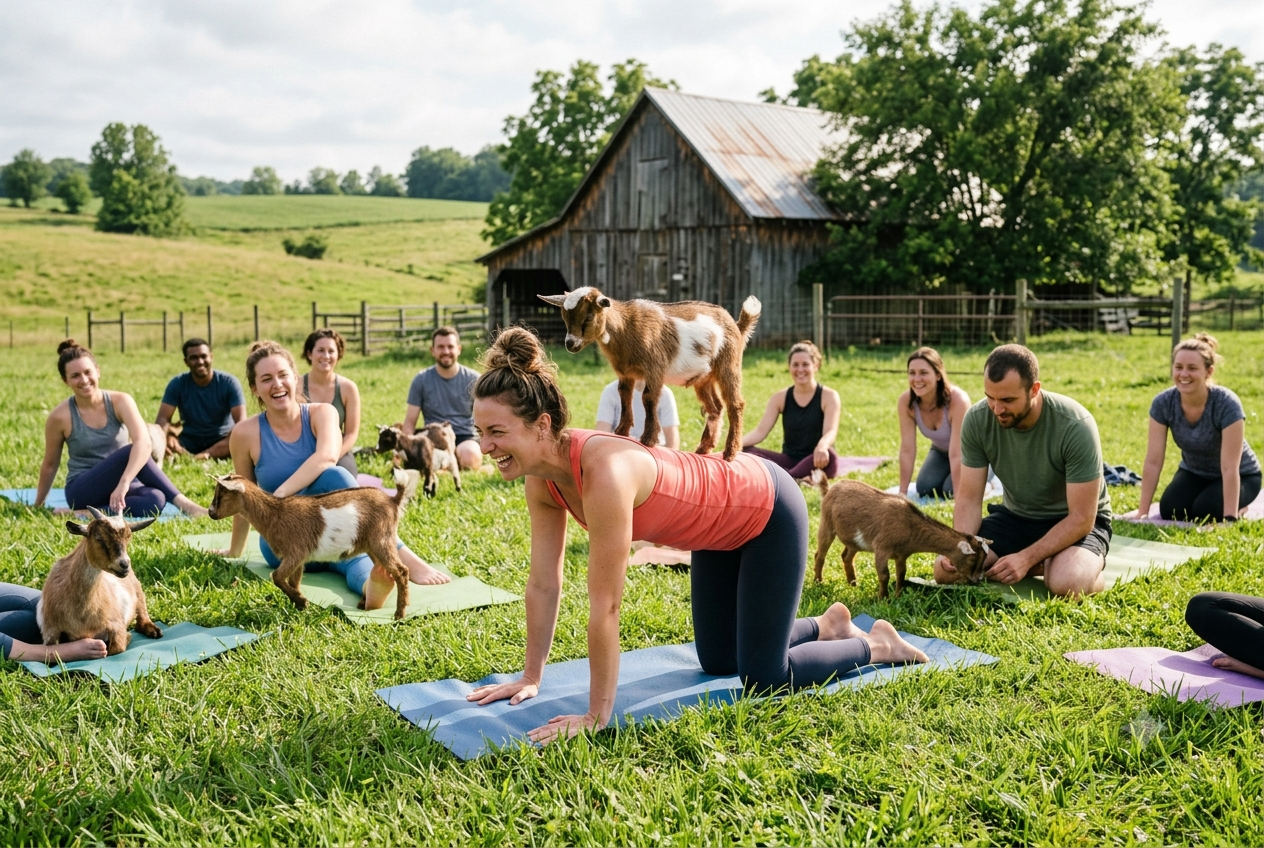
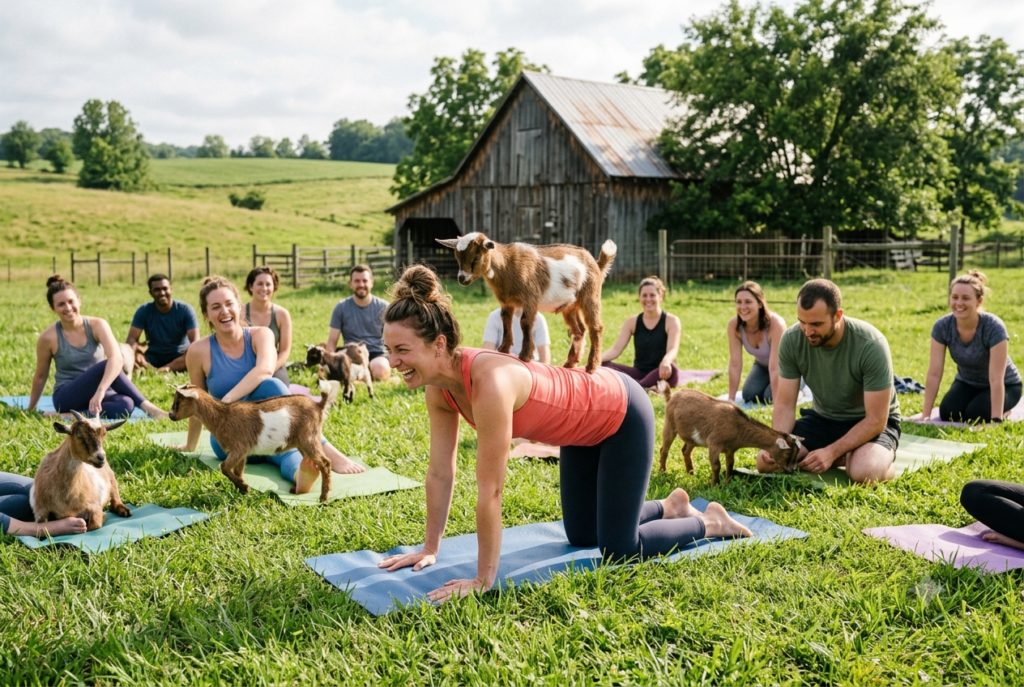
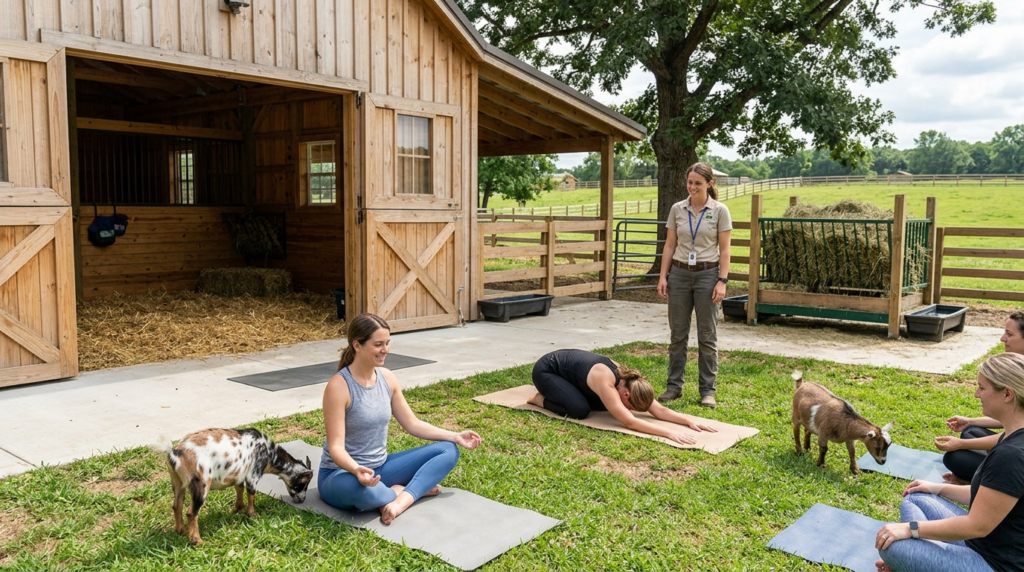
Goat yoga is exactly what it sounds like — a traditional yoga session practiced outdoors (or in a barn setting) while friendly goats freely roam, nuzzle, and occasionally climb on participants. Born on an Oregon farm in 2016, the practice has since spread across the country as a genuinely joyful twist on mindful movement.
The Basics
A typical goat yoga class follows a standard yoga flow — think gentle stretches, basic poses, and breathing exercises — while a small herd of domesticated goats wanders freely among participants. The Mayo Clinic on yoga and stress reduction NIH NCCIH confirms that yoga itself lowers cortisol and promotes relaxation, and the unpredictable, playful presence of goats amplifies that effect through laughter and spontaneous connection. If you’re curious how yoga addresses anxiety more broadly, see our guide on.
Why Goats?
- Naturally curious and social — goats seek human interaction without being overwhelming
- Small and nimble — baby goats can balance on your back during poses without causing discomfort
- Mood-boosting — animal interaction triggers oxytocin release, deepening the stress-relief benefits of yoga
The History and Evolution of Goat Yoga
Origins and Founder
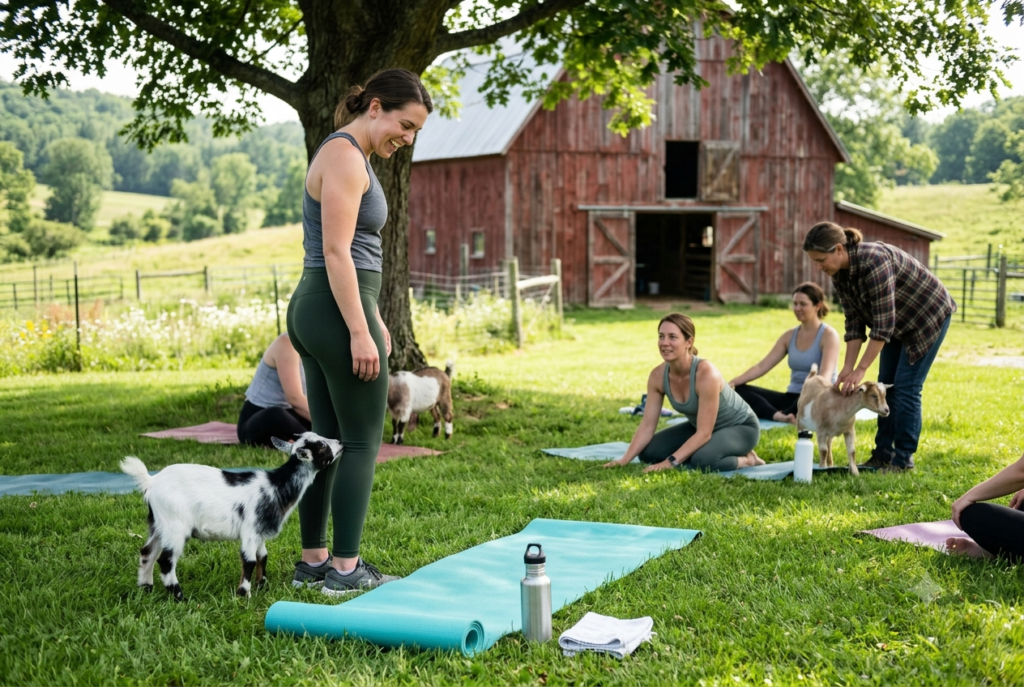
While animal-assisted therapy has a long history, the specific phenomenon of “goat yoga” as we know it today gained traction in the early 2010s. Lainey Morse, an Oregon-based goat farmer, is widely credited with pioneering the practice. Initially, she invited people to her farm for yoga sessions with her playful herd of goats, aiming to bring joy and stress relief to her community. This unique blend of gentle exercise and animal interaction quickly captured public attention.
Rise in Popularity
What started as a quirky farm activity soon exploded into a global trend. News outlets and social media platforms showcased the lighthearted and therapeutic aspects of goat yoga, drawing in people looking for novel wellness experiences. Its appeal lies in its ability to combine the known benefits of yoga, such as improved flexibility and stress reduction Mayo Clinic, with the unique, mood-boosting presence of friendly goats. This accessibility has made it a popular alternative to traditional yoga classes for many.
Global Expansion
From its humble beginnings on an Oregon farm, goat yoga has spread to studios and farms across the United States and internationally. Various instructors and studios have adopted and adapted the concept, offering classes in diverse settings. This widespread adoption highlights the growing interest in complementary health approaches that foster connection with animals and nature, contributing to overall well-being and offering a fun, engaging path to relaxation and fitness.
Physical and Mental Health Benefits of Goat Yoga
Stress Reduction and Cortisol Management
While the playful antics of goats are undeniably charming, the practice of goat yoga offers tangible benefits for both physical and mental well-being. The calming presence of animals, combined with the mindful movements of yoga, can significantly reduce stress levels. Studies show that interacting with animals can lower cortisol, the body’s primary stress hormone PubMed. This effect is amplified by the yogic practice itself, which is renowned for its ability to promote relaxation and quiet the nervous system. For those seeking deeper stress relief through yoga, exploring techniques like Yoga Nidra: The Complete Guide to Conscious Relaxation and Transformation can be highly beneficial.
Improved Flexibility and Strength
Goat yoga, like traditional yoga, encourages a range of motion and builds core strength. Poses are adapted to accommodate the goats, often requiring a bit of extra balance and core engagement. For beginners or those looking to deepen their practice, props can be extremely helpful. A quality can assist in achieving proper alignment and holding poses longer, thereby enhancing flexibility and muscle tone.
Enhanced Mood and Social Connection
The unique environment of goat yoga fosters a sense of joy and lightheartedness, which can be a powerful mood booster. Laughter and positive interactions are common, combating feelings of isolation. This social aspect, combined with the inherent therapeutic qualities of animal interaction, contributes to an overall sense of well-being and connection.
Animal-Assisted Therapy Science
The benefits of animal-assisted therapy are well-documented. Research, including insights from Harvard Health on Animal-Assisted Therapy Benefits Harvard Health, highlights how interaction with animals can reduce anxiety, improve mood, and even lower blood pressure. Goat yoga taps into these scientifically recognized therapeutic effects, offering a unique and enjoyable way to experience these advantages.
Understanding the Goats: Temperament, Training, and Welfare
Breeds Used in Goat Yoga
Typically, smaller, docile breeds like Nigerian Dwarfs and Pygmy goats are chosen for goat yoga sessions. Their manageable size and generally friendly disposition make them ideal companions for a yoga class. These breeds are known for their curious and playful nature, which adds to the unique atmosphere of goat yoga.
Training and Socialization
Reputable goat yoga farms invest significant time in training and socializing their animals. Goats are introduced to human interaction and gentle handling from a young age. They are accustomed to various environments and noises, ensuring they remain calm and comfortable during practice. This careful preparation is crucial for a positive experience for both goats and participants.
Ethical Considerations and Animal Care
The welfare of the goats is paramount. Responsible programs ensure the animals have ample space, proper nutrition, clean water, and regular veterinary care. They are never forced to participate and have opportunities to rest or leave the yoga space if they choose. This commitment to animal welfare is a cornerstone of ethical goat yoga practices.
Do the Goats Enjoy It?
Many goat yoga instructors and owners observe that the goats seem to genuinely enjoy the interaction. Their playful antics, like climbing on participants or nuzzling, often stem from their natural curiosity and desire for attention. While it’s impossible to know a goat’s exact feelings, their relaxed body language and engagement during sessions suggest they find the experience stimulating and positive. This can even contribute to the stress-reducing effects often associated with yoga, as highlighted by the Cleveland Clinic on yoga for mental health Mayo Clinic Yoga.
Beginner’s Guide: What to Expect and How to Prepare
What to Wear and Bring
Opt for comfortable, breathable clothing that allows for movement. Moisture-wicking yoga apparel is ideal, as things can get a little warm and occasionally messy. Avoid anything too loose or dangly that a curious goat might nibble on. Bring a water bottle, a small towel, and an open mind! You might also want to bring hand sanitizer for after interacting with the goats.
Class Structure and Timeline
Most goat yoga classes last about an hour. The session typically begins with a gentle yoga warm-up, allowing you to settle into your practice. As the goats are introduced, expect them to wander, climb, and interact. The yoga poses themselves are often modified to accommodate the goats’ presence, making it accessible for all levels. The class usually concludes with a short cool-down and some dedicated time for petting and photos with the goats.
Common Anxieties Addressed
It’s natural to wonder if you’ll be “good enough” at yoga or if the goats will be disruptive. Remember, goat yoga is about fun and stress relief, not perfect poses. PubMed studies on cortisol reduction and animal contact Cleveland Clinic highlight the therapeutic benefits. The goats are generally gentle and accustomed to the class environment. If a goat climbs on you, consider it a unique form of acupressure!
Goat Yoga Etiquette for Humans and Animals
Treat the goats with kindness and respect. Avoid chasing them or forcing interaction. Let them approach you. When doing poses, be mindful of their space. Don’t feed them unless instructed by the class leader. For your part, try to remain calm and go with the flow. If you’re seeking deeper relaxation techniques, explore guides on Yoga Nidra.
The Role of Instructors in Goat Yoga
Running a goat yoga session demands far more than a standard yoga teaching certification. Instructors must seamlessly manage two distinct roles — guiding participants through mindful movement while simultaneously supervising animal behavior to keep everyone safe and comfortable.
Balancing Yoga Teaching and Animal Management
Skilled goat yoga instructors adapt their teaching style to an unpredictable environment. Unlike a traditional studio setting, sequences must remain flexible enough to pause when a goat needs redirecting or a participant needs reassurance. Many instructors work alongside dedicated animal handlers, allowing each professional to focus on their area of expertise without compromising class quality.
Safety and Participant Comfort
Instructors set clear expectations before class begins — explaining which poses invite goat interaction, how to respond if a goat climbs on you, and when to alert staff. They monitor participants for signs of anxiety or physical strain, adjusting guidance accordingly. If you’re new to yoga generally, exploring can help you build foundational body awareness before your first session.
Creating a Positive Environment
The best instructors cultivate a lighthearted, judgment-free atmosphere where laughter is welcome and perfection is irrelevant. This tone encourages beginners to relax, deepening the stress-relieving benefits that make goat yoga genuinely therapeutic.
Is Goat Yoga Right for You?
Who Benefits Most
Goat yoga welcomes virtually all fitness levels, making it especially appealing to people who find traditional yoga intimidating. If you’re drawn to a lighthearted, low-pressure environment, this practice is an excellent entry point. Those managing anxiety or mild depression often report that animal interaction amplifies yoga’s calming effects — if stress relief is your primary goal, you might also explore for complementary techniques.
Contraindications and Considerations
Speak with your doctor before attending if you have serious joint conditions, recent injuries, or severe animal allergies. Goats are unpredictable — they jump, nudge, and occasionally nibble — so anyone with balance concerns or a fear of animals should set realistic expectations. Pregnant individuals should consult their healthcare provider first.
Family-Friendly Options
Many farms offer family sessions designed for children, typically ages five and up. Kids tend to thrive in the playful atmosphere, though younger toddlers may find the goats overwhelming. Always confirm the minimum age policy with your chosen venue, and supervise children closely around the animals.
Real Experiences: What Participants Say
Testimonial Themes
Participants consistently highlight the sheer joy and stress relief they experience during goat yoga sessions. Many find the playful antics of the goats, from climbing on backs to nibbling at mats, incredibly grounding and a welcome distraction from daily worries. The lighthearted atmosphere is often cited as a major draw, making even those new to yoga feel comfortable and encouraged.
Transformative Stories
“I was feeling so overwhelmed with work,” shares Sarah, a regular goat yoga attendee. “But after just one class, I felt lighter than I have in months. The goats just have this way of making you laugh and forget your troubles.” Another participant, Mark, adds, “It’s surprisingly therapeutic. The connection with the animals, combined with the gentle yoga, really helped me unwind. It’s more than just a cute trend; it’s genuinely good for the soul.” For some, the experience has even inspired a deeper interest in animal-assisted therapies and the benefits of mindful movement, similar to those explored in practices like.
Frequently Asked Questions
Is goat yoga suitable for complete beginners?
Absolutely. Most sessions are designed for all fitness levels, and instructors guide participants through basic poses. No prior yoga experience is required — the goats do a wonderful job of keeping the atmosphere relaxed and pressure-free.
What should I wear?
Choose comfortable, form-fitting workout clothes you don’t mind getting dirty. Goats may leave muddy hoofprints or the occasional surprise, so save your favourite leggings for another day.
Are the goats safe?
Yes. Participating animals are typically young, socialized Nigerian Dwarf or pygmy goats chosen for their calm temperament. Reputable farms prioritize both animal welfare and participant safety.
Can goat yoga help with stress and anxiety?
Research consistently links animal interaction with lower cortisol levels, and yoga itself is a proven stress-management tool. For a deeper look at yoga’s mental health impact, see our guide on mental health yoga poses for anxiety and depression.
How long does a typical session last?
Most classes run 45 to 60 minutes, often followed by open time to interact freely with the goats.
About the Author

Pratham Bavkar — Wellness Researcher · Founder, Yoga Therapy Guide
Pratham Bavkar is the founder of Yoga Therapy Guide and a wellness researcher focused on yoga therapy, mobility, and posture health. He creates evidence-based, beginner-friendly guides on yoga poses, stretching routines, and natural wellness practices to help readers improve daily health naturally.