
What Is Yoga Nidra? Understanding the Practice of Yogic Sleep
Yoga nidra — often translated as “yogic sleep” — is one of the most misunderstood practices in the modern wellness world. The name implies unconsciousness, yet what actually happens is the opposite: a guided journey into a state of profound awareness that exists at the threshold between waking and sleep. Far from a nap, yoga nidra is a systematic technique for withdrawing the senses while keeping the mind alert and receptive.
The Ancient Roots and Modern Definition
Rooted in the Tantric tradition and formalized in the 20th century by Swami Satyananda Saraswati, yoga nidra draws on the ancient concept of pratyahara — the withdrawal of the senses described in classical yoga philosophy. Today, it is defined as a guided meditation practice that systematically relaxes the body and mind in stages, typically practiced lying down in savasana. If you’re new to yoga’s foundational traditions, our guide on provides helpful context.
How Yoga Nidra Differs from Traditional Sleep
During ordinary sleep, consciousness is absent. In yoga nidra, awareness is deliberately maintained. Practitioners enter the hypnagogic state — the transitional zone between alpha and theta brainwave activity — while remaining fully conscious of guided instructions. This makes it an active neurological process, not passive rest.
The Science Behind Conscious Relaxation
NIH NCCIH research on Yoga Nidra and autonomic nervous system effects NIH NCCIH demonstrates that regular practice measurably shifts the body from sympathetic (fight-or-flight) dominance toward parasympathetic (rest-and-digest) regulation — reducing cortisol, lowering heart rate, and improving heart rate variability. These aren’t relaxation side effects; they are the physiological mechanisms that make yoga nidra a genuine tool for transformation.
The Physiological and Neurological Mechanisms of Yoga Nidra
Brain Wave States During Practice
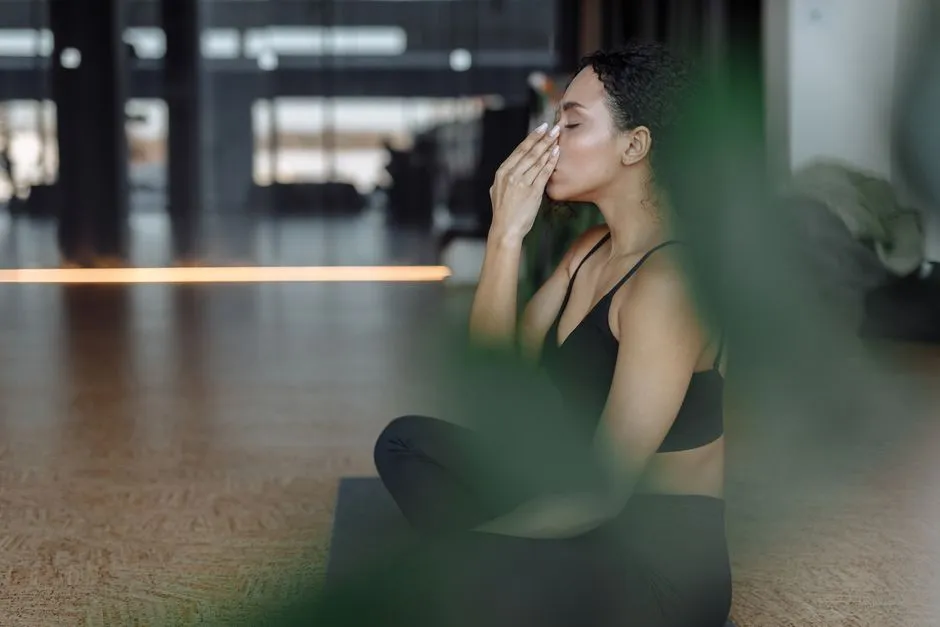
During yoga nidra, the brain transitions through various electrical activity patterns. Initially, during settling in, alpha waves, associated with relaxed wakefulness, are prominent. As the practice deepens, theta waves, characteristic of deep relaxation and light sleep, emerge. This shift signifies a state of profound rest where the mind is both alert and deeply relaxed, bridging the gap between consciousness and unconsciousness. This state is crucial for accessing the restorative benefits of yoga nidra.
Nervous System Activation and Parasympathetic Response
A primary mechanism of yoga nidra is its potent activation of the parasympathetic nervous system, often referred to as the “rest and digest” response. This counteracts the “fight or flight” sympathetic response, which is chronically activated in many individuals due to modern stressors. Research highlights that relaxation techniques, like those employed in yoga nidra, can significantly influence the autonomic nervous system Mayo Clinic. This shift promotes a state of calm and balance, which is fundamental for overall well-being and can be particularly beneficial for managing symptoms discussed in guides on mental health yoga poses.
How Yoga Nidra Affects Stress Hormones
The profound relaxation induced by yoga nidra directly impacts the body’s stress hormone production. By downregulating the sympathetic nervous system, yoga nidra helps to reduce the release of cortisol, the primary stress hormone. Sustained high levels of cortisol are linked to numerous health issues, including anxiety, sleep disturbances, and impaired immune function. The consistent practice of yoga nidra can therefore contribute to a more balanced hormonal profile, fostering resilience against the detrimental effects of chronic stress, as supported by Mayo Clinic guidance on relaxation techniques and stress management PubMed.
The Five Stages of Yoga Nidra: A Step-by-Step Guide
Each yoga nidra session moves through a predictable arc — a sequence that gently escorts your nervous system from ordinary wakefulness into the fertile borderland between sleeping and waking. Understanding what happens at each stage helps you surrender more fully instead of wondering whether you’re “doing it right.”
Stage 1: Settling and Sankalpa (Intention Setting)
You begin by lying in savasana and making a conscious agreement with your body to remain still. Once physical comfort is established, you introduce your sankalpa — a short, positively framed resolve stated in the present tense, as though it is already true. Examples include “I am calm and capable” or “I live with an open heart.” The sankalpa is planted at this threshold moment because the mind is beginning to soften its habitual defenses, making it unusually receptive. Psychologically, this mirrors principles used in cognitive-behavioral approaches: repeating a clear, emotionally resonant statement helps rewire automatic thought patterns over time. Choose your sankalpa carefully — it should feel meaningful, not merely aspirational — and use the same one across multiple sessions for cumulative effect.
Stage 2: Body Scan and Rotation of Consciousness
The instructor guides rapid, systematic attention through each body part — right thumb, index finger, middle finger, and so on — moving through the entire body in a specific sequence. This is not a relaxation exercise in the conventional sense; it is a deliberate withdrawal of the senses (pratyahara) that decouples awareness from external stimulation. PubMed studies on brain wave states (theta/alpha) during Yoga Nidra Harvard Health suggest this stage correlates with the emergence of slower alpha and theta rhythms, the same frequencies associated with deep creativity and reduced anxiety. You may notice a pleasant heaviness or tingling — this is normal and signals that the practice is working. For practitioners who also struggle with stress and rumination, our guide on offers complementary daytime tools.
Stage 3: Breath Awareness and Energy Flow
Attention shifts to the natural breath — not controlled, simply observed. You might be asked to count breaths, notice the pause between inhale and exhale, or sense breath moving through specific regions of the body. This stage stabilizes the hypnagogic state reached in Stage 2, preventing either a slide into full sleep or a drift back to ordinary thinking. What should it feel like? Effortless witnessing. If you find yourself actively controlling the breath, simply notice that and let go.
Stage 4: Visualization and Emotional Processing
Rapid, vivid images — a burning candle, a snow-covered mountain, a laughing child — are offered in quick succession. At this depth of consciousness, these images bypass analytical filtering and engage the limbic system directly, allowing stored emotional material to surface and discharge without the intensity it might carry in waking life. This is one of the most therapeutically significant stages of yoga nidra, and one reason the practice has been explored as a complement to trauma-informed care. You are not expected to hold any image; simply receive them like frames of a film.
Stage 5: Integration and Return to Wakefulness
Yoga Nidra vs. Meditation: Key Differences and When to Use Each

Active Consciousness vs. Mental Stillness
While many forms of meditation aim for mental stillness or emptying the mind, yoga nidra cultivates a state of conscious relaxation. It’s not about stopping thoughts, but rather observing them without engagement, fostering a deep awareness of the present moment. This distinction is crucial; whereas some meditations focus on concentration, yoga nidra emphasizes a gentle, receptive state. Harvard Health insights on mind-body medicine and parasympathetic activation highlight how practices like yoga nidra can profoundly influence stress response Mayo Clinic Yoga.
Posture, Duration, and Accessibility
Typically, yoga nidra is practiced lying down in Savasana (corpse pose), making it highly accessible. This contrasts with many seated meditation practices that might require more physical comfort or stamina. A standard yoga nidra session lasts around 20-30 minutes, though shorter or longer versions exist. This ease of posture and moderate duration makes it a practical choice for many individuals, including those new to mindfulness or seeking gentle movement.
Which Practice Serves Your Goals?
If your goal is deep relaxation, stress reduction, and improved sleep, yoga nidra excels. It’s particularly effective for rewiring stress responses and cultivating inner peace. For those seeking to develop intense focus or explore specific meditative states, other forms of meditation might be more suitable. However, yoga nidra can complement these practices by preparing the mind and body for deeper stillness, much like a gentle warm-up before a more vigorous physical practice.
Yoga Nidra vs. Sleep: Why This Practice Isn't a Sleep Substitute
While yoga nidra induces deep relaxation, it’s crucial to understand it’s not a direct substitute for sleep. The primary distinction lies in consciousness. During sleep, awareness typically recedes into unconsciousness. In contrast, yoga nidra cultivates a state of “sleep of the yogis” where the mind remains aware yet profoundly relaxed, navigating between wakefulness and sleep without fully entering REM or deep sleep stages.
The Conscious Awareness Factor
This conscious awareness is the cornerstone of yoga nidra’s unique benefits. While sleep is essential for physical repair and memory consolidation, yoga nidra offers a different kind of restoration – mental and emotional. It allows for processing thoughts and emotions in a safe, detached way, which can be particularly helpful for managing stress and anxiety, as noted in Cleveland Clinic resources on complementary therapies for anxiety and sleep Cleveland Clinic.
Restorative Benefits Without Full Sleep Cycles
The practice’s ability to promote deep relaxation and nervous system regulation means you can experience significant restorative benefits even without completing full sleep cycles. This makes yoga nidra a valuable tool for individuals struggling with insomnia or those seeking profound stress reduction. It can complement, rather than replace, healthy sleep habits, potentially improving sleep quality over time.
Optimal Timing: When to Practice Yoga Nidra
Yoga nidra can be practiced at various times. Many find it beneficial in the late afternoon or early evening to decompress from the day. Some practitioners even use it as a “power nap” substitute, though it’s not intended to replace nighttime sleep entirely. It can also be a powerful addition to a broader mental wellness routine, complementing practices like those discussed in our guide on Mental Health Yoga Poses.
Tailoring Yoga Nidra for Your Life Stage and Specific Conditions

Yoga Nidra for Chronic Pain and Physical Healing
People living with chronic pain often find that yoga nidra offers meaningful relief by shifting attention away from pain signals and activating the parasympathetic nervous system. The body scan rotation that anchors most sessions helps practitioners develop a more neutral, observational relationship with physical sensation rather than bracing against it. Research suggests that mind-body practices can modulate pain perception NIH NCCIH, and yoga nidra’s emphasis on non-reactive awareness makes it particularly well-suited for conditions like fibromyalgia, arthritis, and post-surgical recovery. For extended sessions, investing in a quality yoga bolster or meditation cushion can significantly reduce physical discomfort and allow deeper surrender into the practice.
Managing Grief, Anxiety, and Performance Pressure
Yoga nidra creates a rare psychological condition — alert awareness without reactivity — that makes it valuable for processing difficult emotions. For grief, the practice doesn’t demand that you “move on”; instead, it creates a contained space where emotions can surface and settle without overwhelming you. Those managing anxiety may find that the structured rotation of awareness gives the mind something concrete to follow, gently interrupting ruminative thought loops. Athletes and performers increasingly use yoga nidra to reduce pre-competition cortisol spikes and strengthen mental imagery skills, since the hypnagogic state amplifies visualization effectiveness. For a broader look at evidence-based approaches to emotional wellbeing, see our guide on.
Yoga Nidra for Different Age Groups
Yoga nidra adapts well across the lifespan with modest adjustments:
- Children (6–12): Shorter sessions of 10–15 minutes with imaginative, story-based imagery hold attention and support emotional regulation and sleep quality.
- Teenagers: Sankalpa work resonates strongly during identity formation; sessions focused on confidence and clarity can be particularly meaningful.
- Adults: Full 30–45 minute sessions address stress, burnout, and goal-setting with the complete classical structure.
- Older adults: The lying-down format removes physical barriers common in seated meditation, making it accessible for those with mobility limitations. Supportive props are especially recommended.
When to Approach with Caution: Contraindications
Yoga nidra is broadly safe, but certain situations warrant professional guidance before beginning. Individuals with active psychosis, dissociative disorders, or severe PTSD should consult a qualified mental health professional first — the deliberate induction of hypnagogic states can, in some cases, intensify dissociation or trigger intrusive material without adequate support. Those in acute depressive episodes may find deep relaxation temporarily amplifies low mood rather than relieving it. If you experience significant distress during a session — racing heart, panic, or a feeling of losing control — it is appropriate to stop, open your eyes, and reorient to your surroundings. Trauma-informed yoga nidra facilitated by a trained teacher exists specifically for sensitive populations and is a safer starting point than self-directed practice for those with
Real Practitioner Experiences: What Yoga Nidra Feels Like
Sensations and States During Practice
Most practitioners describe yoga nidra as feeling like hovering at the edge of sleep — aware enough to hear the guide’s voice, yet too relaxed to care about the outside world. Common physical sensations include a pleasant heaviness in the limbs, tingling, or the curious feeling that your body has dissolved into the floor. Some people notice involuntary twitches as the nervous system releases held tension. Others report vivid hypnagogic imagery — fleeting colours, faces, or landscapes — which is completely normal and signals the brain shifting into theta-wave activity.
Transformative Outcomes Over Time
After consistent practice, many people report changes that feel quietly profound: sharper emotional resilience, reduced reactivity under stress, and a growing sense of inner steadiness that persists long after the session ends. If you already use movement-based approaches for emotional wellbeing, you may find yoga nidra complements them powerfully — see our guide on for a fuller picture. Long-term practitioners often describe a gradual softening of deep-seated habits and thought patterns, reflecting the sankalpa work embedded in the practice.
Common Misconceptions Debunked
The most frequent worry is “I fell asleep — did I do it wrong?” The honest answer is no. Falling asleep occasionally, especially early on, simply means your body needed rest. With time, you learn to rest without losing awareness. Another misconception is that you must experience dramatic visions or bliss states for the practice to “work.” In reality, a session that feels uneventful on the surface can still produce measurable physiological benefits and subtle mental shifts you notice only hours later.
About the Author

Pratham Bavkar — Wellness Researcher · Founder, Yoga Therapy Guide
Pratham Bavkar is the founder of Yoga Therapy Guide and a wellness researcher focused on yoga therapy, mobility, and posture health. He creates evidence-based, beginner-friendly guides on yoga poses, stretching routines, and natural wellness practices to help readers improve daily health naturally.