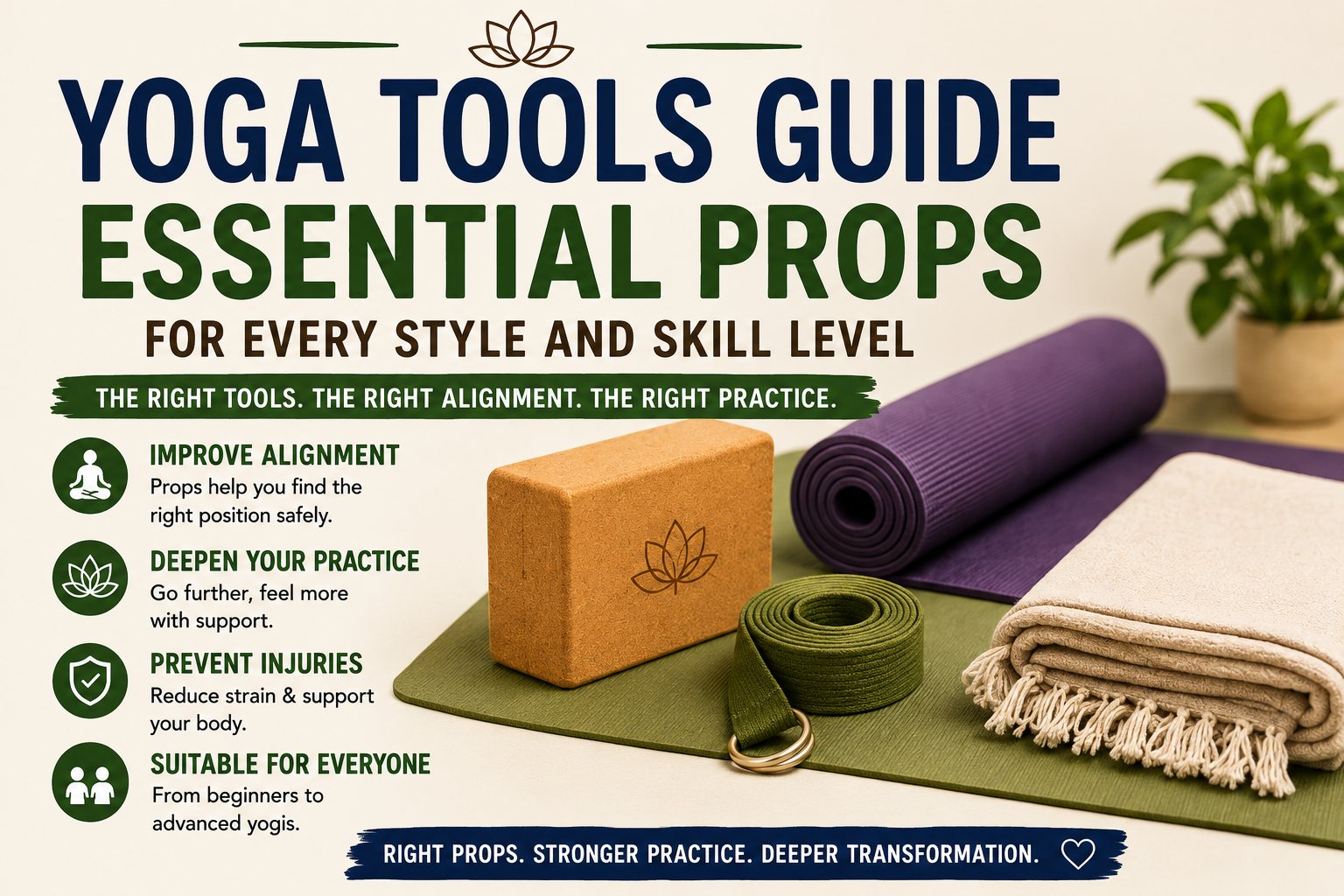
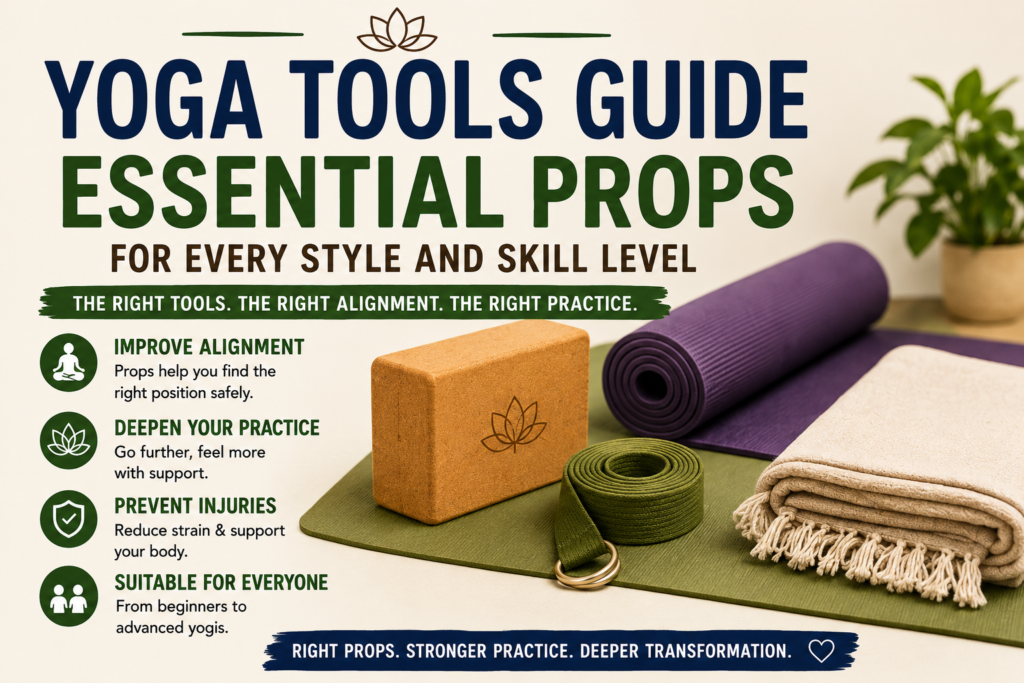
Introduction: Why Yoga Tools Matter Beyond the Mat
Most people step onto a yoga mat thinking all they need is flexibility and willpower. But the practitioners who progress fastest — and stay injury-free longest — share a quiet secret: they use yoga tools strategically, not reluctantly. Props aren’t a shortcut around the practice; they’re a direct path into it.
The Philosophy Behind Props
B.K.S. Iyengar pioneered the use of props not to make yoga easier, but to make it more precise. Blocks, straps, bolsters, and blankets allow the body to find correct alignment before strength and flexibility catch up. The National Institutes of Health’s NCCIH NIH NCCIH recognizes that mindful alignment is central to yoga’s safety and effectiveness — and props are alignment’s most reliable allies. If you’re also exploring yoga for specific concerns, our guide on shows props in therapeutic action.
Debunking the ‘Props Are Only for Beginners’ Myth
Advanced yogis use props to deepen poses, not simplify them. A strap in a seated forward fold creates traction that hands-on-feet never could. A block under the hips in meditation unlocks hours of comfortable stillness. Props meet every body at its honest edge — and that’s exactly where real progress lives.
Essential Yoga Props: A Complete Breakdown
Yoga Mats: Materials, Durability & Selection
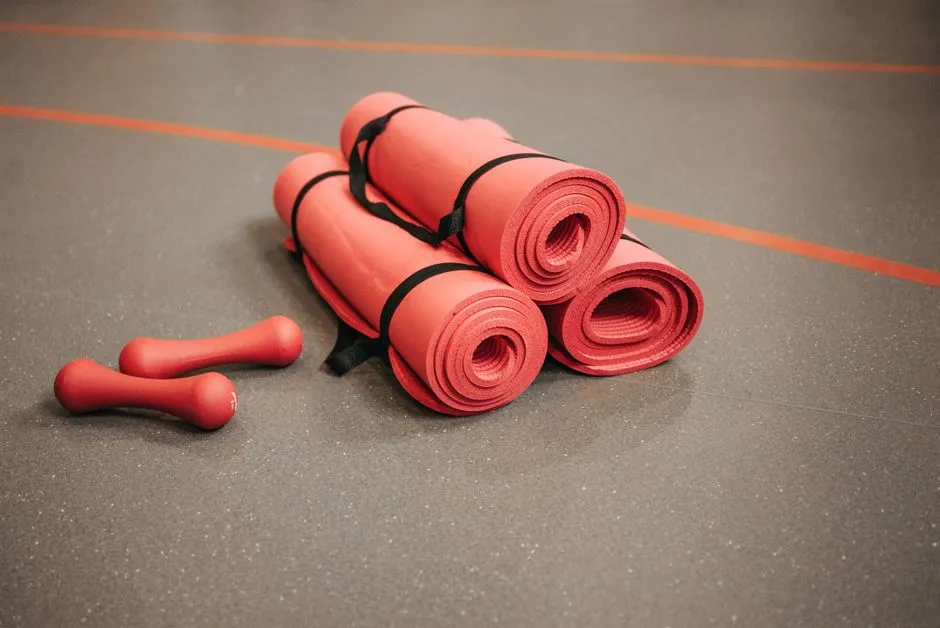
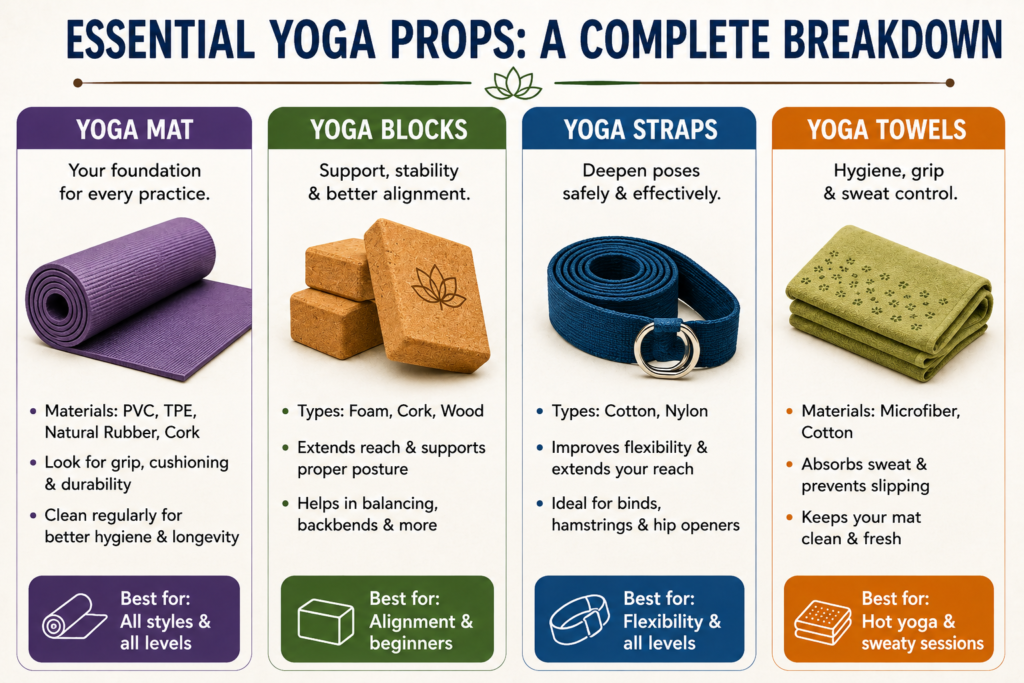
The yoga mat is your foundation, and choosing the right one significantly impacts comfort, grip, and longevity. Common materials include PVC, TPE, natural rubber, and cork. PVC mats are durable and affordable but less eco-friendly. TPE offers a good balance of grip and cushioning, often lighter and more sustainable than PVC. Natural rubber provides excellent grip and cushioning but can have a distinct scent and may not be suitable for latex allergies. Cork mats, often paired with a rubber base, offer a naturally antimicrobial surface and superior grip when wet, making them a popular eco-friendly choice. Consider your practice style: a softer, thicker mat might suit restorative yoga, while a firmer, grippier mat is ideal for dynamic styles like Vinyasa. Durability is key; a well-maintained mat can last for years. Regular cleaning with a mild soap and water solution, or a specialized yoga mat cleaner, will extend its life. For a deep clean, check the manufacturer’s instructions, as some materials are not machine washable.
Yoga Blocks: Types and Alignment Benefits
Yoga blocks are versatile tools that bring the floor closer to you, aiding in alignment and supporting poses. They typically come in foam, cork, or wood. Foam blocks are lightweight and provide ample cushioning, making them beginner-friendly and great for poses requiring significant support. Cork blocks are denser and more stable, offering a firmer surface for balancing poses or deepening stretches. Wooden blocks, usually made from sustainable hardwoods like bamboo, are the most rigid and durable, best suited for experienced practitioners needing maximum stability. Blocks help achieve proper alignment by extending your reach, supporting your body, and preventing strain. For instance, placing a block under your hand in Triangle Pose can help maintain a straight spine, as recommended by Mayo Clinic guidance on yoga for alignment and injury prevention Mayo Clinic. They are invaluable for poses like seated forward bends, lunges, and backbends.
Yoga Straps: Deepening Poses Safely
Yoga straps, often called belts, are essential for improving flexibility and deepening poses safely. They typically come in cotton or nylon and feature a D-ring or buckle closure. Straps allow you to extend your reach in poses where flexibility is limited, preventing overstretching and potential injury. For example, a strap can help you clasp your hands behind your back in a bind or extend your leg in a seated forward fold. Using a strap encourages proper form and allows you to hold poses longer, fostering greater awareness and control. They are particularly helpful for poses that target hip flexibility or hamstring stretches, and can be beneficial for those working with asanas for back pain by promoting better posture.
Yoga Towels: Hygiene and Non-Slip Solutions
Yoga towels are lightweight, absorbent cloths that can be placed over your mat to enhance grip and hygiene, especially during hot yoga or sweaty practices. Made from microfiber or cotton blends, they wick away moisture, preventing slippage and keeping your mat cleaner. Microfiber towels are highly absorbent and dry quickly, while cotton towels offer a softer feel. Some yoga towels have silicone nubs on the underside to keep them from shifting on the mat. Regularly washing your yoga towel after each practice is crucial for maintaining hygiene and preventing odors.
Yoga Clothing & Apparel: Functionality Over Trends
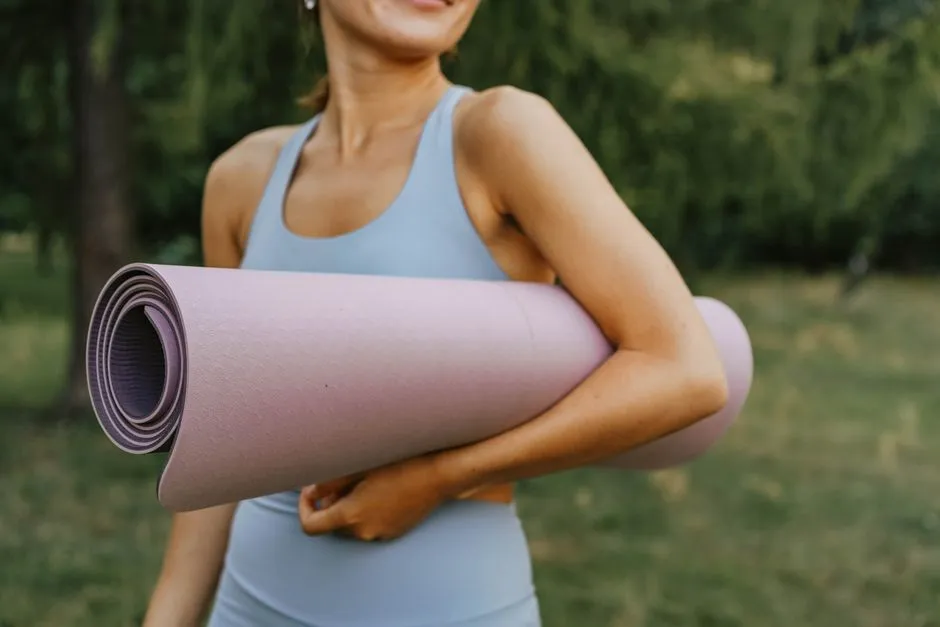
Yoga Clothing & Apparel: Functionality Over Trends
When selecting yoga attire, prioritize comfort and freedom of movement over fleeting fashion trends. Experts emphasize fabrics that are breathable, moisture-wicking, and offer four-way stretch. This ensures you can move through poses like the Sun Salutation or Warrior II without restriction, which is crucial for maintaining proper alignment and deepening your practice. Harvard Health on yoga and flexibility research highlights how unrestricted movement is key to reaping the physical benefits PubMed.
Choosing Leggings and Pants for Your Practice
Look for leggings or pants with a comfortable, non-slip waistband that stays put during inversions and dynamic flows. Seamless construction can prevent chafing, and opaque fabrics are essential for confidence during poses that involve bending over. For those practicing styles like restorative yoga, softer, looser-fitting pants might be preferred for ultimate relaxation.
Climate and Intensity Considerations
In warmer climates or for vigorous practices like Vinyasa or Ashtanga, lightweight, quick-drying fabrics are paramount to manage sweat. For cooler environments or gentler styles, consider layering with breathable thermals or fleece-lined leggings. The goal is always to maintain an optimal body temperature without overheating or feeling chilled.
Durability and Value for Money
Invest in high-quality yoga apparel designed for longevity. Well-made garments will withstand frequent washing and the demands of regular practice, offering better value in the long run. Consider brands known for their ethical manufacturing and sustainable materials, aligning your consumer choices with the mindful principles of yoga.
Advanced & Specialty Yoga Tools
Bolsters and Props for Restorative Practice
For those seeking deeper relaxation and therapeutic benefits, specialized props are invaluable. Bolsters, long cylindrical cushions, provide essential support in restorative poses, allowing muscles to release tension fully. They are particularly helpful for poses that gently open the chest and hips, promoting a profound sense of calm. The Cleveland Clinic highlights how yoga props can enhance accessibility and modification for various needs Harvard Health.
Yoga Wheels and Rollers
Yoga wheels offer a unique way to deepen backbends and improve spinal flexibility. Used for gentle back support or to assist in poses like wheel pose, they can also be employed as rollers to massage the back and shoulders, releasing knots and improving posture. This tool can be particularly beneficial for practitioners working on flexibility and looking to explore more dynamic movements.
Meditation Cushions and Alignment Aids
Beyond basic poses, dedicated meditation cushions (zafus) elevate the hips, promoting a stable and comfortable seated posture essential for longer meditation sessions. Other alignment aids, like blocks and straps used in more advanced ways, help practitioners refine their technique in complex asanas, ensuring proper form and preventing injury as they progress in their practice.
Selecting the Right Tools for Your Yoga Style
Props for Iyengar Yoga
Iyengar yoga emphasizes precise alignment, making props indispensable. Expect to use blocks, straps, blankets, bolsters, and even chairs or the wall. These tools help practitioners achieve correct form and deepen poses safely. If you experience back pain, exploring poses that use these props can be particularly beneficial.
Tools for Yin and Restorative Practice
Yin and Restorative yoga focus on deep relaxation and passive stretching. Here, bolsters and blankets are key for comfort and support, allowing muscles to release tension over longer holds. Blocks can also be used to bring the floor closer or support joints. The goal is gentle surrender, not active effort.
Vinyasa and Power Yoga Essentials
While often practiced with minimal props, a yoga mat is crucial for grip and cushioning. Some practitioners find blocks helpful for modifying poses or deepening stretches in Vinyasa and Power yoga. A strap can assist with flexibility in poses that require reaching. These styles are more dynamic, so stability and a secure footing are paramount.
Caring for Your Yoga Equipment: Maintenance & Longevity
Cleaning and Hygiene Best Practices
Regular cleaning is crucial for both hygiene and the longevity of your yoga tools. Yoga mats can harbor sweat and bacteria, so wipe them down after each practice with a dedicated mat cleaner or a mild soap and water solution. Allow them to air dry completely before rolling. Blocks, especially those made of foam or cork, can be wiped with a damp cloth. Straps should be hand-washed occasionally and air-dried.
Troubleshooting Common Issues
A slippery yoga mat is often a sign it needs a good cleaning or that the material is degrading. If your mat is consistently losing grip, consider a deeper clean or exploring a new one. Fraying straps can be a safety hazard; trim any loose threads and inspect regularly for wear. Cracked or crumbling blocks may need replacing, as their structural integrity is compromised.
Storage and Seasonal Care
Proper storage prevents damage and keeps your equipment ready for use. Avoid storing your yoga mat in direct sunlight or extreme heat, which can degrade the material. Roll your mat loosely and store it in a cool, dry place. Keep blocks stacked and straps neatly coiled. If you live in a humid climate, ensure your equipment is thoroughly dry before storage to prevent mold or mildew.
Sustainable and Ethical Yoga Gear
Sustainable and Ethical Yoga Gear
Many yogis are increasingly conscious of the environmental and social impact of their purchases. Look for yoga tools crafted from sustainable materials like recycled rubber, organic cotton, or natural cork. Ethical brands often prioritize fair labor practices and minimize their carbon footprint throughout production. This commitment to conscious consumerism aligns with the yogic principle of ahimsa (non-violence) extending to our planet and its inhabitants.
Eco-Friendly Materials and Sourcing
Choosing eco-friendly materials is paramount. Organic cotton is grown without harmful pesticides, and natural rubber offers a biodegradable alternative to synthetic options. Cork, harvested sustainably from trees, is naturally antimicrobial and provides excellent grip. Brands committed to ethical sourcing ensure fair wages and safe working conditions for all involved in the manufacturing process. This mindful approach ensures your practice supports a healthier world.
Brands with Environmental Commitments
Several brands are leading the way in sustainable yoga gear. These companies often transparently share their sourcing practices and environmental initiatives. They might use recycled packaging, offset their carbon emissions, or donate a portion of profits to environmental causes. By supporting these brands, you invest in yoga tools that reflect your values and contribute positively to the planet. If you’re looking to enhance your practice, consider how these mindful choices can support your overall well-being, much like how specific poses can aid in mental health yoga poses.
Conclusion: Building Your Yoga Toolkit
The right yoga tools don’t make you a better yogi overnight — but they remove the barriers that stop you from showing up consistently. From a supportive block that finally lets you reach the floor, to a bolster that transforms restorative practice into genuine recovery, props meet you exactly where you are and grow with you as your practice deepens.
The key takeaways are simple: start with the essentials, choose quality over quantity, and let your specific style and body guide every purchase. You don’t need a fully stocked studio to practice well — you need the right tools for your practice.
If props are helping you manage physical limitations or stress, explore how targeted movement can go even further — our guide on asanas for back pain offers science-backed poses that pair beautifully with the props covered here.
Now that you know what to look for, take one step: audit what you already own, identify one genuine gap, and fill it intentionally. Your toolkit — and your practice — will thank you.
About the Author

Pratham Bavkar — Wellness Researcher · Founder, Yoga Therapy Guide
Pratham Bavkar is the founder of Yoga Therapy Guide and a wellness researcher focused on yoga therapy, mobility, and posture health. He creates evidence-based, beginner-friendly guides on yoga poses, stretching routines, and natural wellness practices to help readers improve daily health naturally.