Introduction to Yoga Ball Pumps
A flat yoga ball is more than an inconvenience — it’s a safety hazard waiting to happen. Whether you’re using a stability ball for core work, physical therapy, or desk sitting, proper inflation is the foundation of every safe session. Mayo Clinic guidance on core strengthening and stability ball safety NIH NCCIH emphasizes that a correctly inflated ball is essential for achieving the balance and support benefits these tools are designed to deliver.
What Is a Yoga Ball Pump?
A yoga ball pump is a specialized inflating device designed to push enough air volume into a large exercise ball quickly and efficiently. Unlike standard needle pumps, these tools feature wide-bore nozzles and high-capacity chambers built for balls that can hold 50–90 cm of diameter.
Why You Need the Right Pump
Using the wrong pump means frustration, wasted time, and an under-inflated ball that won’t support your weight safely. The right pump makes inflation fast, precise, and repeatable. For a broader look at how pumps fit into your overall setup, see our guide on Yoga Tools Guide: Essential Props for Every Style and Skill Level.
Types of Yoga Ball Pumps: Manual vs. Electric
Manual Pumps: Portability and Cost-Effectiveness
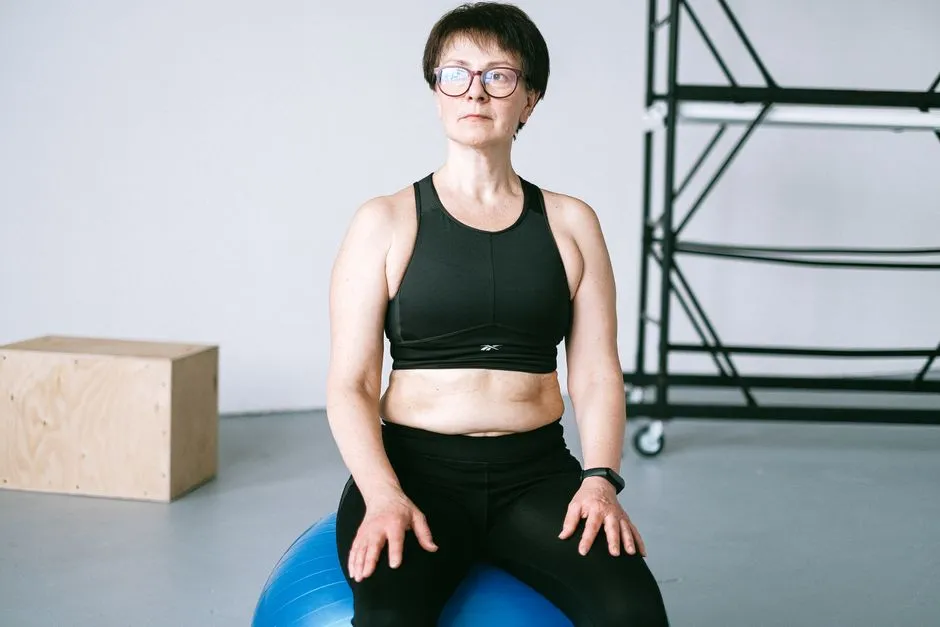
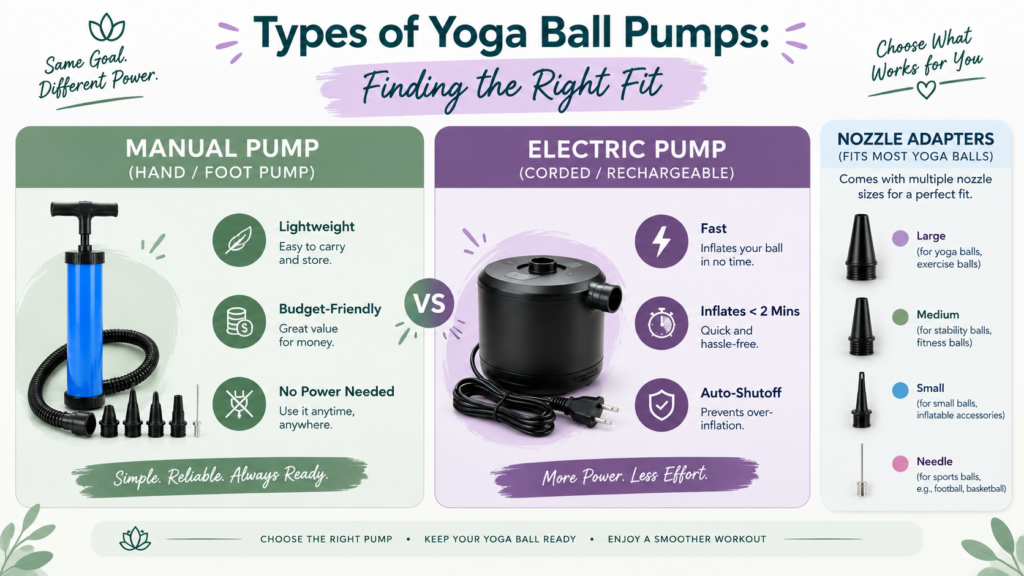
Manual pumps are the most common option bundled with yoga balls, and for good reason. They’re lightweight, affordable, and require no power source — making them ideal for home use, travel, or occasional inflation. Most hand or foot pumps deliver air on both the push and pull stroke, so inflation is reasonably efficient. The trade-off is physical effort: inflating a 65cm exercise ball manually can take 10–15 minutes of sustained pumping, which some users find tiring.
Electric Pumps: Speed and Convenience
For busy users who inflate and deflate their ball frequently — whether for desk-chair use, physical therapy, or group fitness — an electric pump is a genuine time-saver. A quality electric yoga ball pump can fully inflate a standard exercise ball in under two minutes, with minimal effort. This matters especially if you’re following a structured practice; for broader context on props that support your routine, see our Yoga Tools Guide: Essential Props for Every Style and Skill Level. Electric pumps typically include auto-shutoff or pressure gauges, reducing the risk of over-inflation.
Nozzle Compatibility and Sizing
Regardless of pump type, nozzle fit is critical. Most yoga balls use a standard round valve, but sizes vary slightly across brands. A mismatched nozzle leaks air during inflation, making accurate pressure impossible. Look for pumps that include multiple nozzle adapters — typically a cone nozzle and a needle nozzle — to ensure compatibility. Always check your ball’s valve diameter before purchasing a pump separately.
How to Use a Yoga Ball Pump
How to Use a Yoga Ball Pump
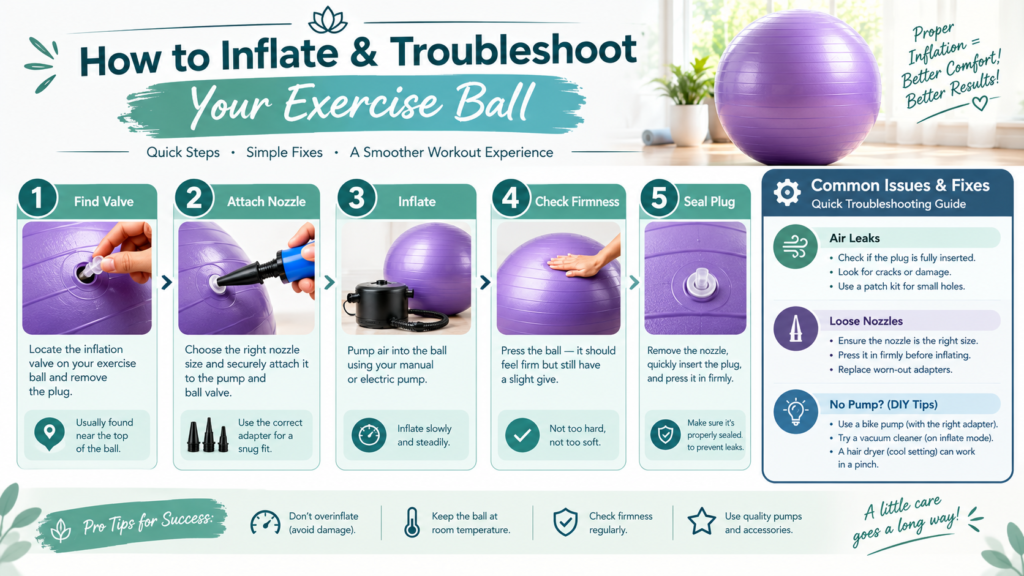
Inflating your yoga ball is a straightforward process, whether you’re using a manual or electric pump. Here’s a step-by-step guide:
- Locate the Valve: Find the inflation valve on your yoga ball. It’s usually a small, circular opening.
- Attach the Pump: Securely attach the nozzle of your yoga ball pump to the valve. If using a manual pump, ensure a snug fit to prevent air leaks.
- Inflate Gradually: Begin pumping air into the ball. For manual pumps, this involves repetitive up-and-down or back-and-forth motions. For electric pumps, simply turn it on and let it work.
- Avoid Over-Inflation: Do not over-inflate your yoga ball. Over-inflation can strain the ball’s seams and make it too rigid for comfortable use, potentially leading to injury. Harvard Health on exercise equipment and injury prevention advises against excessive pressure Mayo Clinic.
- Check Firmness: Periodically check the ball’s firmness. It should feel firm but yield slightly when you press it. The ideal firmness allows for comfortable seating and stability during exercises. For many, this means the ball supports their weight without feeling like a solid rock.
- Remove Pump and Seal: Once the desired firmness is reached, carefully remove the pump nozzle and immediately insert the valve plug to seal the air inside.
Choosing the Right Yoga Ball Pump for Your Needs
Pump Selection by Ball Size and Material
The primary factor in choosing a yoga ball pump is ensuring it can effectively inflate your specific ball. Larger, heavier-duty yoga balls (often 65cm or larger) typically require more air volume, making a more robust manual pump or an electric pump a better choice. Smaller balls, like those used for specific exercises or by children, can usually be inflated with most standard pumps. Pay attention to the pump’s nozzle type; many balls come with a specific adapter, but a versatile option like a Multi-Nozzle Pump Kit can be invaluable, ensuring compatibility across different ball sizes and brands. This is particularly helpful if you own multiple yoga balls or different types of inflatable equipment.
Portability Considerations for Travel
If you plan to take your yoga ball with you – perhaps to a gym, a yoga studio, or while traveling – portability is key. Manual pumps are generally lighter and more compact than electric models. Some manual pumps are designed with a collapsible handle or a slim profile for easy packing. While electric pumps offer speed and convenience, their reliance on a power source (battery or outlet) makes them less ideal for on-the-go inflation unless you have access to power.
Eco-Friendly and Sustainable Options
For those prioritizing sustainability, a high-quality manual pump is often the most eco-friendly choice. It requires no electricity and, if made from durable materials, can last for many years, reducing waste. While the production of any pump has an environmental impact, a long-lasting manual pump minimizes ongoing energy consumption. The Cleveland Clinic highlights the benefits of exercises like those using a yoga ball for posture and balance training PubMed, making a reliable pump an essential tool for a sustainable wellness routine.
Troubleshooting Common Yoga Ball Pump Issues
Pump Not Inflating: Causes and Fixes
If your yoga ball pump isn’t inflating your ball, don’t panic. The most common reason is a loose connection between the pump nozzle and the ball’s valve. Ensure a snug fit. If the pump still seems ineffective, check the pump’s internal mechanism. Some manual pumps have a simple piston that might be dislodged. For electric pumps, ensure it’s plugged in correctly and not overheating. Sometimes, a small piece of debris can obstruct the airflow; try gently clearing the nozzle.
Leaks and Air Loss
Persistent leaks can stem from the ball itself, not necessarily the pump. Inspect the yoga ball’s seam for any visible damage or punctures. If you suspect a leak in the valve, try sealing it with a small amount of waterproof adhesive, allowing it to dry completely before attempting to inflate again. If the leak is significant, the ball may need to be replaced.
Nozzle Problems and Misalignment
A bent or damaged nozzle can prevent a proper seal. If the nozzle is slightly misshapen, you might be able to carefully straighten it with pliers. If it’s severely damaged, you may need a replacement nozzle, which often comes with new pumps or can be purchased separately. Ensure the nozzle is inserted straight into the valve to avoid damaging either component.
DIY Alternatives if You Don’t Have a Pump
In a pinch, you can use a hairdryer on the *cool* setting to inflate your yoga ball. Hold the nozzle of the hairdryer close to the valve opening. Be patient, as this method takes longer than a dedicated pump. Another option is to use a strong lung capacity to manually blow air into the ball, though this is extremely time-consuming and difficult for larger balls. For those interested in alternative fitness tools, exploring the benefits of Hatha Yoga can be a great way to stay active without specialized equipment.
Maintenance Tips for Long-Term Pump Durability
Cleaning and Storage
Regularly wipe down your yoga ball pump with a damp cloth to remove dust and debris. Avoid using harsh chemicals, as they can damage the plastic. Store the pump in a cool, dry place away from direct sunlight to prevent material degradation. Ensure all parts are dry before storing to prevent mold or mildew.
Preventing Wear and Tear
Handle your pump with care. Avoid dropping it or stepping on it. When attaching the nozzle to the yoga ball, do so gently. Over-pumping can strain the pump’s mechanism. If you’re looking for ways to enhance your yoga practice, consider exploring different styles like.
When to Replace Your Pump
Inspect your pump periodically for cracks, leaks, or a loose nozzle. If the pump becomes difficult to operate, doesn’t hold air effectively, or makes unusual noises, it might be time for a replacement. A worn-out pump can make inflating your yoga ball a frustrating experience.
Benefits of Using a Yoga Ball Pump
A dedicated yoga ball pump does more than just inflate—it actively supports your fitness routine in ways that matter for both performance and safety.
Time-Saving for Busy Individuals
A quality pump inflates your ball in minutes rather than the exhausting effort of improvised methods. That saved time means fewer excuses to skip your session and a more consistent workout habit overall.
Consistency in Exercise Performance
Proper inflation directly affects how your ball responds during exercise. A correctly inflated ball provides the right resistance and stability, which is especially important if you use it for back support or core work. For a broader look at how props enhance your practice, see our Yoga Tools Guide: Essential Props for Every Style and Skill Level.
Safety and Injury Prevention
An underinflated ball can buckle unpredictably, while an overinflated one risks bursting under pressure. Using a pump with a built-in pressure gauge helps you stay within the manufacturer’s recommended PSI range, significantly reducing the risk of falls or joint strain during use.
Quick Yoga Ball Exercises
A properly inflated ball unlocks a wide range of effective movements. Here are two key categories to get started quickly.
Stability Ball Core Work
- Ball crunches: Lie back over the ball with your lower back supported, then curl your chest upward to engage your abs through a full range of motion.
- Plank with feet elevated: Place your shins on the ball and hold a forearm plank, challenging your core to stabilize against the ball’s natural movement.
- Pike rollouts: From a push-up position, roll the ball toward your hands by lifting your hips — a demanding move for the entire core.
Balance and Mobility Drills
- Seated bouncing: Simply sitting and gently bouncing activates postural muscles and improves spinal alignment over time.
- Hip circles: Seated on the ball, slowly rotate your hips to open the hip flexors and improve mobility.
- Wall squats: Place the ball between your lower back and a wall, then squat to build leg strength with joint-friendly support.
For deeper guidance on complementary props that enhance these movements, explore our yoga tools guide.
About the Author

Pratham Bavkar — Wellness Researcher · Founder, Yoga Therapy Guide
Pratham Bavkar is the founder of Yoga Therapy Guide and a wellness researcher focused on yoga therapy, mobility, and posture health. He creates evidence-based, beginner-friendly guides on yoga poses, stretching routines, and natural wellness practices to help readers improve daily health naturally.